As the resident Boricua on the Climate Solutions staff, I’m going to have to talk about that Super Bowl halftime show! Lovingly referred to as #Benitobowl, after headlining artist Benito Antonio Martínez Ocasio, aka Bad Bunny. It was fascinating to see all the nods to Puerto Rican culture, from both the island and the diaspora, and the centering of our issues as a matter of justice. When those power lines sparked, and choreographed dancing took off in the song “El Apagón” (the power outage), memories of my youth on the Island flashed back. I lived through countless outages and clean-water supply shortages in the 90s. I still remember the municipal water truck distributing clean water in our neighborhood.
At our energy-focused organization, all my coworkers were giddy about the spotlight on energy infrastructure; I would be giddy with them if it weren’t for the failure it represented. Watching that part of the show, in which Bad Bunny scaled a broken utility pole, I saw our most popular artist declare that the status quo was unsustainable. We, as a people, he suggested, needed to do more to drive change. The power lines stood out as the most damning failure of the island’s energy grid, a privately owned monopoly, whose owners have a long record of failing to provide reliable service. The Government of Puerto Rico is now suing this company to get rid of them.
A wide variety of recent articles have offered explanations of the cultural nuances of the sugar cane plantation, the bodega, the nail salon, the uplifting of other Latino artists as background characters, and, for some reason, Lady Gaga – but I want to underline the importance of Puerto Ricans keeping the lights on.
Puerto Rico’s government answers to an unelected Oversight Board appointed by Congress, charged with making far-reaching decisions affecting the island territory’s debt, and its spending on infrastructure projects, public services, and other systems affecting the population. Island residents colloquially refer to the Oversight Board as “the junta,” and suffer the effects of what they experience as punitive austerity measures. These measures have led to over 100 school closures, pension cuts, and a lack of investment in upgrading or even maintaining the electricity infrastructure. This led to the longest blackout in U.S. history after Hurricane Maria. During this blackout, hospitals went without power, backup generators failed, and patients went without regular medications, causing thousands of unnecessary deaths (an exact death toll is still debated today). Puerto Ricans living on the island under these conditions have good reason to feel like “second-class citizens.”
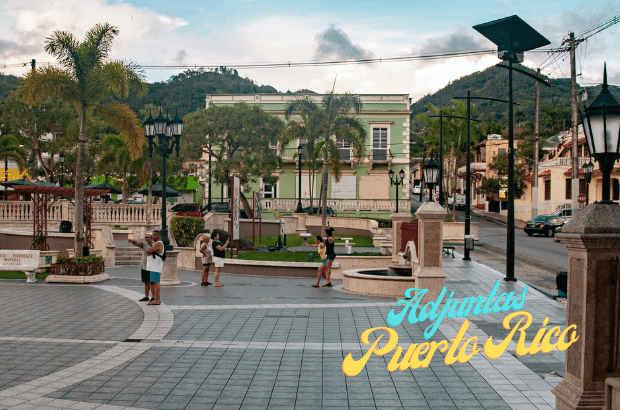
Coincidentally, the same clean energy tools and solutions we promote in Washington and Oregon have the potential to alleviate parts of the island’s energy crisis. Many grassroots organizations and businesses have emerged to fight for energy sovereignty through rooftop solar installations and cities have taken it upon themselves to create microgrid co-ops across the island (the town of Adjuntas being a prime example, pictured above). It is unfortunate that folks have to organize in these dire conditions, but in that lies the larger answer to addressing a lot of our issues. Puerto Rico’s aging and dysfunctional grid still relies on burning oil—clean energy is not just a nice-to-have, it’s a lifeline.
As folks in the island like to say, Pa’tras ni pa coger impulso: not one step back, not even to gain momentum.
Source link
Juan M. Muñoz Jiménez www.climatesolutions.org