
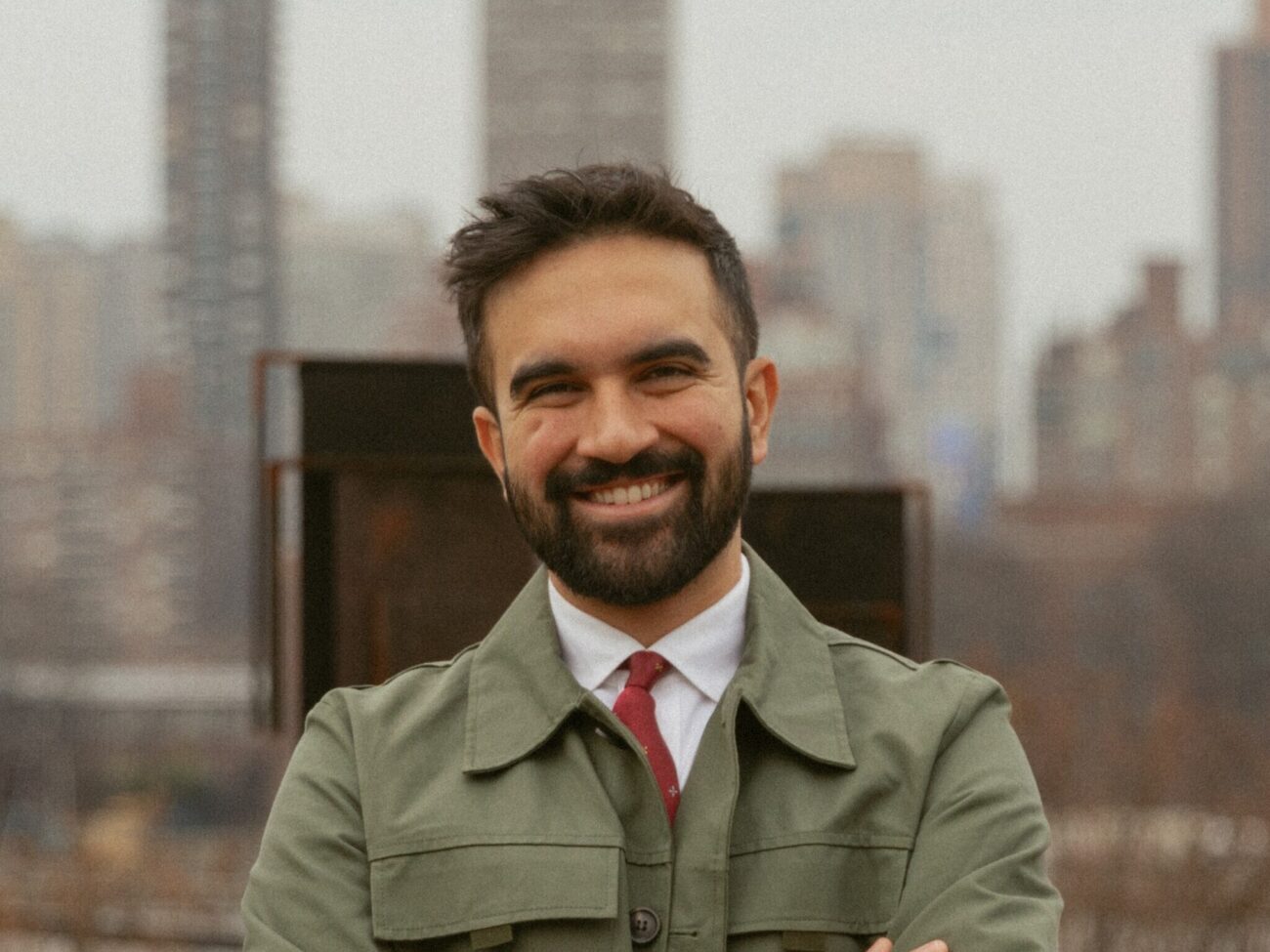
Below-average temperatures and gusty winds did not deter tens of thousands of people from gathering in lower Manhattan last week to witness Zohran Mamdani take an oath to become New York City’s next mayor.
“Beginning today, we will govern expansively and audaciously,” Mamdani said during his inauguration speech. “We may not always succeed, but never will we be accused of lacking the courage to try.”
The 34-year-old democratic socialist has made the issue of inequality in NYC central to his campaign, highlighting problems like unaffordable childcare, rising rents and inaccessible public transportation. Yet Mamdani did not mention the issue of climate change during his address, nor was it central to his mayoral campaign.
As the federal government retreats from climate policy, some see an opportunity for Mamdani to position New York as a national pioneer in confronting the climate crisis. In a recent op-ed for the Daily News, Alexis Abramson, dean of the Columbia Climate School, outlined some steps the new mayor might take to prepare for the future.
“The new mayor should accelerate New York’s clean energy transition…[by] streamlining permitting for solar, battery storage and building electrification projects that too often get caught in red tape,” Abramson wrote. “In addition to reducing emissions, we need to protect people from the impacts already unfolding around us…by speeding up coastal protection projects, upgrading sewers and drainage systems to handle heavier rainfall.”
Mamdani does have a political track record of supporting climate policy, however, and some experts says climate will be a crucial part of any policy package.
“Mamdani, at the state policy level, advocated for the Build Public Renewables Act, which passed and is being implemented,” said Sheila Foster, a professor of climate at the Columbia Climate School and a member of the New York City Panel on Climate Change since 2016. “You can’t separate climate from challenges like housing, transportation and economic opportunity.”
Daniel Zarrilli, chief climate and sustainability officer at Columbia University, sees the potential for Mamdani to connect his affordability priorities with climate policy. “I think this is a big opportunity for Mamdani, as renewable energy can both benefit the grid and lower New Yorkers’ energy bills,” he said. “We won’t fully solve this problem without an active and engaged federal government, but we can do a lot without them in the meantime.”
Ahead of the inauguration, Mamdani announced 17 transition committees, including a 33-member Committee on Transportation, Climate and Infrastructure. Many members are known environmentalists, clean energy experts and environmental justice advocates.
Members of the committee signed nondisclosure agreements and were not permitted to speak on the record, but a source told State of the Planet that there is a lot of excitement among groups engaged with the new administration that Mamdani will embrace clean energy technologies in a way that prioritizes safety and affordability.
“The incoming mayor is very clearly committed to making progress on clean energy and climate,” said the source. “I’m optimistic that we’ll be able to get some good stuff done.”
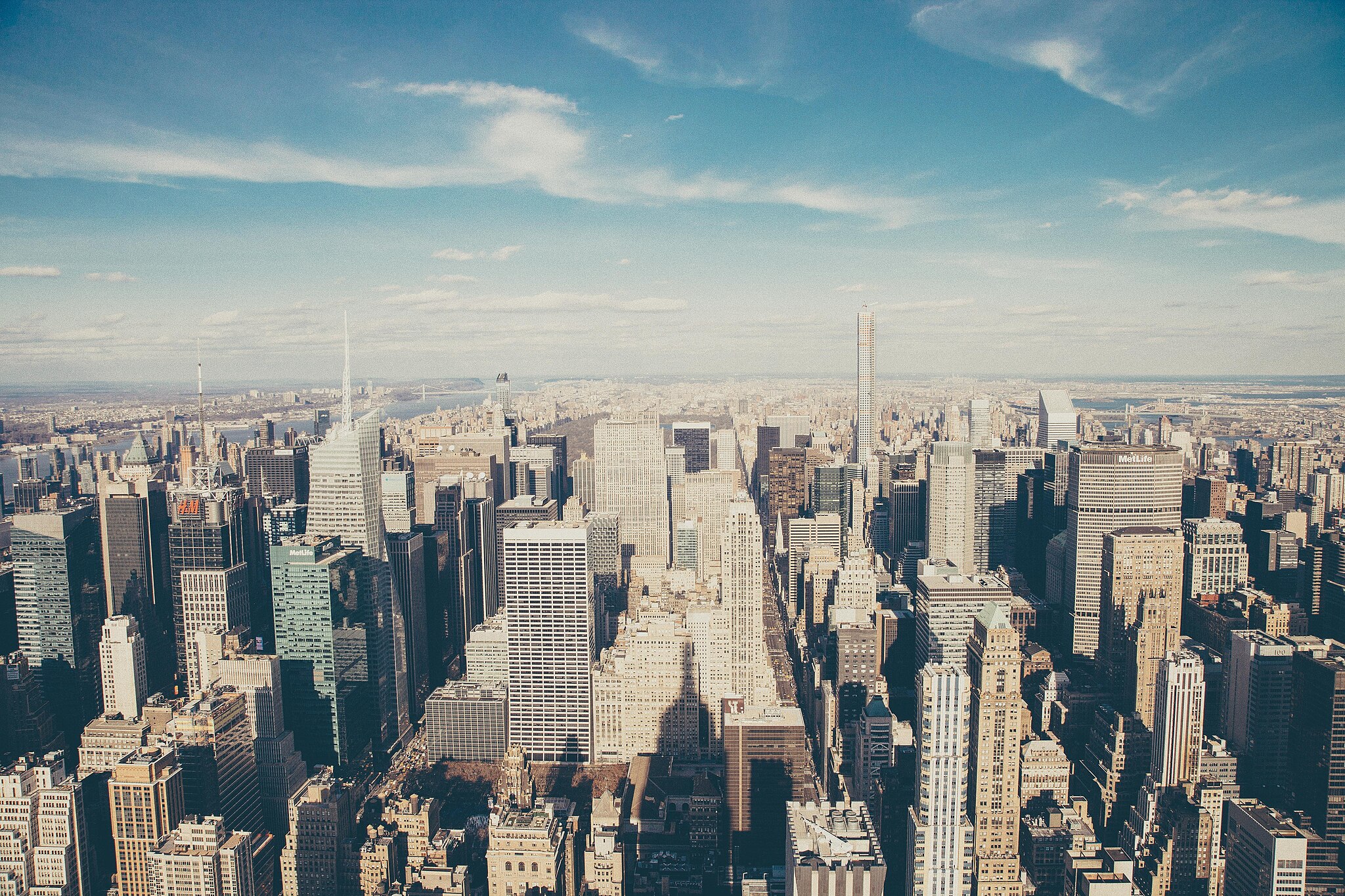
One of Mamdani’s campaign promises is to build 200,000 units of new, affordable housing over the next decade. With the single biggest source of emissions coming from the city’s buildings, Mamdani has an opportunity to accomplish that goal in a sustainable way.
“I think accelerating building electrification and figuring out how to do that in a way that’s affordable is going to be huge,” a source told State of the Planet.
But key to Mamdani’s success will be communicating that new climate policies can help address NYC’s affordability crisis—something that many politicians have struggled with in the past, according to Zarrilli. (Zarrilli joined Columbia in 2021 after working for former NYC mayors Michael Bloomberg and Bill de Blasio as the city’s chief climate policy advisor.)
“I think it’s a huge opportunity for Mamdani to exert some national and global leadership on the subject,” said Zarrilli. “He can position New York City as a pioneer on climate, while showing that ‘green’ policies can be part of efforts to keep New York affordable for all residents.”
Source link
Guest news.climate.columbia.edu



.jpg)