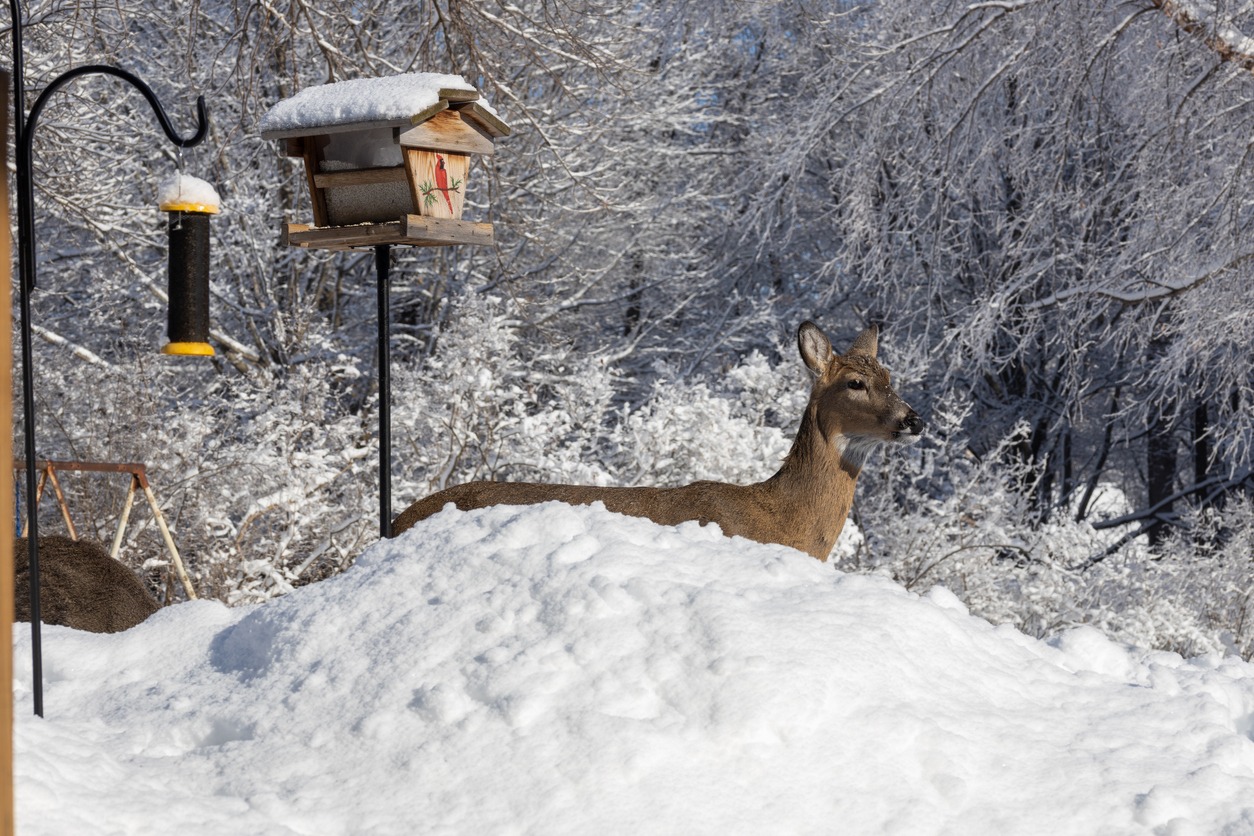
Winter snowfall can make your backyard look like a winter wonderland, but local wildlife faces challenges during this season. While some species migrate to warmer areas, or hibernate for most of the season, permanent residents will remain in your area year-round. By implementing some effective winter backyard habitats, homeowners can support biodiversity in their own backyard.
Understanding Cold-Weather Biodiversity
Biodiversity encompasses all living things on Earth. In the wintertime, biodiversity specifically refers to the variety of life that must adapt to lower temperatures, limited light and frozen precipitation.
Over half of North America’s 650 species of breeding birds migrate south during the coldest months of the year. Permanent residents you may find in your backyard include cardinals, sparrows, chickadees, woodpeckers, doves and corvids. Along with birds, you may be visited by small mammals that remain active year-round, including squirrels, rabbits and deer. Many insects, reptiles and amphibians hibernate during this time.
During the winter months, it becomes increasingly challenging for animals to find sufficient food and water. They also need shelter to keep them warm in the low temperatures and harsher weather conditions.
7 Ways to Support Winter Wildlife in Your Backyard
Supporting biodiversity offers many benefits for homeowners and the environment. Here are some sustainable ways to create a winter backyard habitat for wildlife in the U.S.
1. Provide Shelter
Safe habitats are crucial for animals, especially in the cold winter months. Brush piles, evergreen plants and roost houses are great shelters for winter species, keeping them warm and protected from the elements or predators. Roost houses with internal perches and insulated walls are great for birds to huddle together in, allowing them to conserve energy and survive cold weather. In the spring, these structures can be converted into nesting houses.
Although heating cables are effective in preventing ice buildup on the roof, they’re not safe for outdoor wildlife shelters due to the risk of electrical exposure and fire hazards. Instead, environmentally-conscious homeowners should focus on passive heat preservation methods like positioning shelters away from wind and adding naturally insulating straw bedding.
2. Leave the Leaves
While raking leaves is a common fall task, it can actually be more beneficial to leave them on the ground. The coverage can provide a natural shelter for small wildlife — namely insects and toads — and help fertilize the soil below. Birds that don’t migrate can then use these insects as a reliable food source, which also prevents these pests from invading your house or spring garden.
3. Natural Food Sources
Animals may store food for winter ahead of time or spend the season foraging for vegetation, seeds, buds, nuts and animal carcasses. Some species undergo changes in their digestive systems in response to the limited food sources and to help them store nutrients better.
Homeowners can help winter animals access food by planting fruiting shrubs and winter flowers like winterberry, holly, rosemary, camellia and mahonia. These can also add visual interest to your garden and help reduce soil erosion, leaving you with stronger land when springtime arrives. Additionally, you should leave seedheads on plants because many birds rely on them when food sources are sparse.
4. Supplemental Feeders
Buried or frozen food is of little benefit to winter wildlife searching for food. Homeowners can help by sprinkling deer feed on the ground or hanging bird feeders full of seeds or suet. Clean your bird feeders every two weeks with soap and water to prevent the growth of bacteria or mold.
5. Water Access
Fresh, unfrozen water keeps birds and other winter animals hydrated. You might consider investing in a heated bird bath or try DIY solutions, like breaking up layers of ice that form over bird baths or periodically bringing a bird waterer inside to thaw.
If you don’t have a birdbath, consider placing a large bowl or pot outside. As the water level gets low, it becomes more prone to freezing, so periodically refill it with clean water. The water should be above freezing temperature, but not so hot it can hurt the birds or their feathers.
6. Avoid Chemicals
Most homeowners and gardeners tackle weeds in late fall and early spring. Pesticides and herbicides can harm wildlife and the food chain, so opt for eco-friendly alternatives when tending to your garden or backyard year-round. A low-cost mixture of vinegar, salt and dish soap in a spray bottle can kill weeds within only a few hours without introducing hazardous chemicals into your yard. Avoid overspraying near plants you don’t intend to kill.
7. Connect Habitats
Native plants and ecological landscaping can support sustainable wildlife during the winter. Along with providing shelters and feeders, consider how animals will move throughout the backyard. For example, a bird house and feeder can be hung from the same tree to minimize travel between the two. You might shovel snow paths for mammals so they can more easily move through your yard without using excess energy.
Biodiversity can thrive even further when it extends beyond your backyard. Collaborate with neighbors on creating safe passageways for animals during winter and other seasons.
Avoid Common Mistakes This Winter
In preparation for winter, homeowners should avoid over-trimming plants and excessively tidying debris. Leaves, stems, branches and seeds can all serve as wildlife shelter or food sources.
When landscaping with biodiversity in mind, avoid choosing non-native plants capable of disrupting the ecosystem. Native ones are best adapted to the weather and soil conditions of your area, making them more likely to survive the winter months with minimal maintenance. Plant clusters or rows of native trees and shrubs, rather than isolated patches, to create continuous habitats for animals.
Don’t apply mulch too early or pile it directly against plants. A 2- to 4-inch layer can suppress weeds without also suffocating the plants humans and animals enjoy in your backyard. Mulch should be kept approximately 2 to 3 inches away from tree trunks and plant stems to prevent rot.
Although it gets dark earlier during winter, artificial lighting can disrupt nocturnal animals, like owls and bats. Downward-facing and motion-sensor lights are recommended for providing just enough light when necessary and minimizing light pollution.
Enjoying Your Winter Wildlife Habitat
Continue monitoring your winter ecosystem. Try photographing winter wildlife or tracks in your neighborhood. Motion-activated cameras are a popular choice for active backyard areas. You could even participate in winter bird counts.
There are thousands of Christmas Bird Count circles across the United States providing valuable data for conservation efforts, running from December 14 to January 5. These activities help you appreciate biodiversity and contribute to environmental stewardship, so make a new wintertime tradition out of it.
Biodiversity in Your Backyard
Continue caring for your yard and the wildlife it supports during winter. There are many small acts you can do to support local biodiversity, such as constructing temporary dwellings from branches and filling feeders with nutritious seeds. Providing and protecting wildlife habitats can effectively support the natural world and foster a deeper connection with nature.
Source link
Rose Morrison biofriendlyplanet.com