
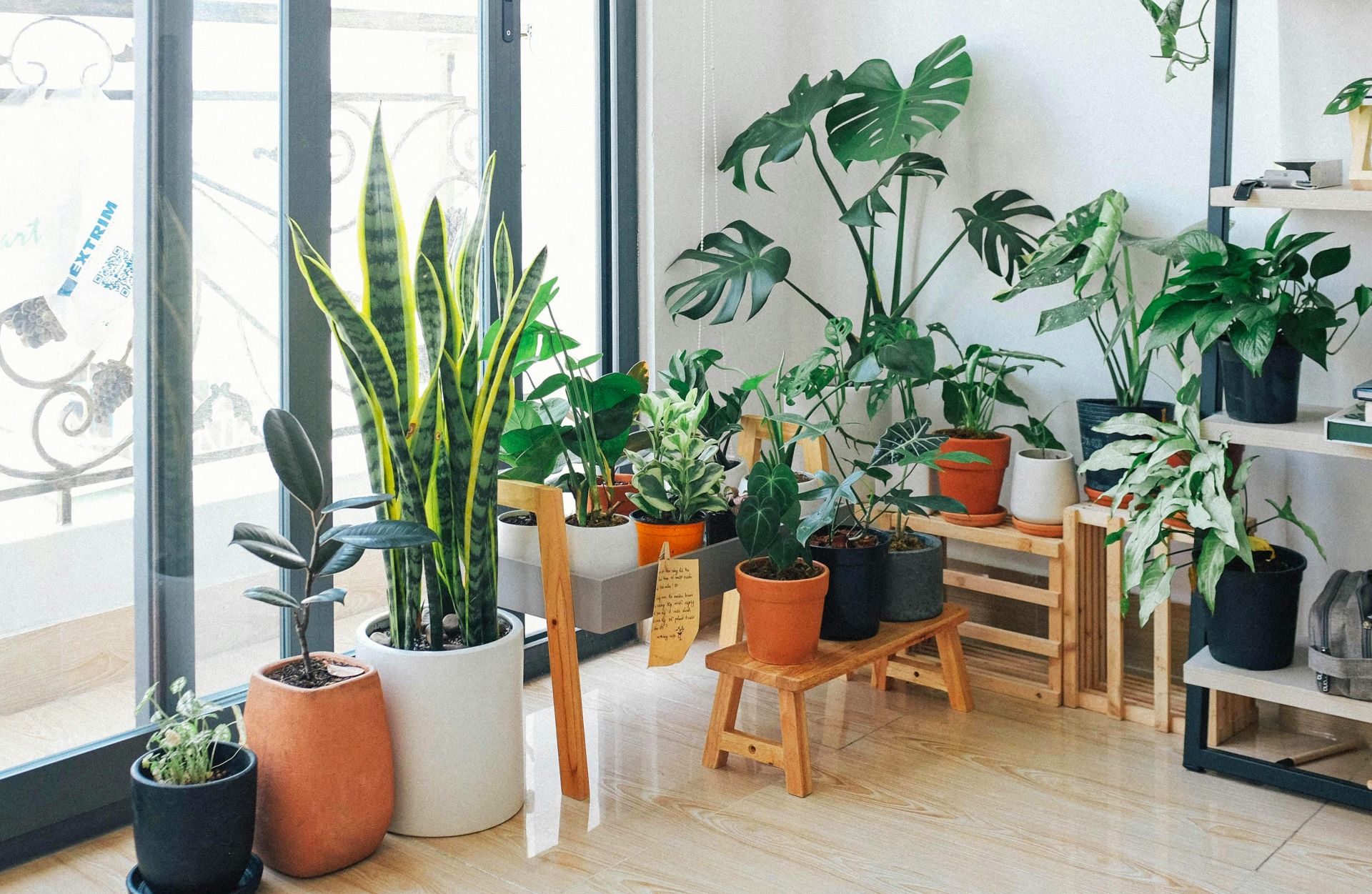
All homeowners have their own individual styles or preferences about interior design choices. Whether it’s choosing different paint colors, furniture collections, or unique centerpieces, putting your own personality into your living space is only natural.
While you have the freedom to make whatever changes to your own living situation, it’s also important to consider the environmental impact of your choice. Every homeowner has a responsibility to try to reduce their carbon footprint whenever possible, and interior design projects are a great way to improve sustainability.
Here, we have covered a wide range of eco-friendly interior design strategies you can follow that not only give you more flexibility in your living spaces but also play a role in helping to support the environment in different ways.
Use Repurposed Furniture
Furniture pieces aren’t just important for comfort; they also help to make a statement. This is often why so many people upgrade their furniture regularly, chasing the latest design trends or updating their home’s aesthetics.
However, while changing furniture can be fun, it can also create a lot of unnecessary waste, placing greater demands on the environment. Instead, consider some different ways you could source your next furniture pieces while being more eco-conscious.
A good place to start is to look for vintage pieces such as chairs and dining tables at auctions or second-hand stores. These can then be repurposed, giving your home a more rustic charm while also making use of recycled materials. Just because you choose eco-friendly furniture doesn’t mean the look needs to be dated. There are so many different ways you can make these vintage pieces look brand new while also saving money in the process.
Choose Renewable Materials
Choosing renewable materials in your design projects is another great way to have a positive impact on the environment. Bamboo is an incredibly versatile material and grows pretty fast. This means sourcing bamboo materials is much less harmful to the environment than any other types of wood. Bamboo fully matures in just a few years, as opposed to other materials that can take decades. It is also incredibly strong and can be used for a wide range of purposes.
For example, bamboo linen is a great option for sheets, blankets, and towels, since the material is very soft and strong. You could also use the material in flooring or cabinets as furniture. Cork is another renewable material that’s a good option for interior design projects. It’s great for flooring, especially when you want to help absorb sound and want a softer material when compared to hardwood or tile.
Make Use of Natural Lighting
By far, one of the biggest contributing factors to carbon footprint is the energy consumption of our homes. And a common cause of this is the lighting fixtures and electric appliances being used. A good place to start is to maximize on natural lighting throughout the home. This is a free lighting source that not only helps you lower your energy bill, but also can have great benefits to your health.
Installing skylights can be an effective way to “open up” your home and let in natural light in living rooms or bedrooms. But even if you don’t want to create a large opening in the ceiling, there are other options you can use, such as sun tunnels. These are small tubular devices that essentially resemble pot lights, but actually use a series of mirrors to bounce light from outside in.
Another way you can make better use of natural lighting throughout your home is by installing mirrors in larger open spaces, such as a living room and walkway. These are great for reflecting more light into dark spots of your home while also being beneficial for making smaller spaces seem larger.
Prioritize Open Design Formats
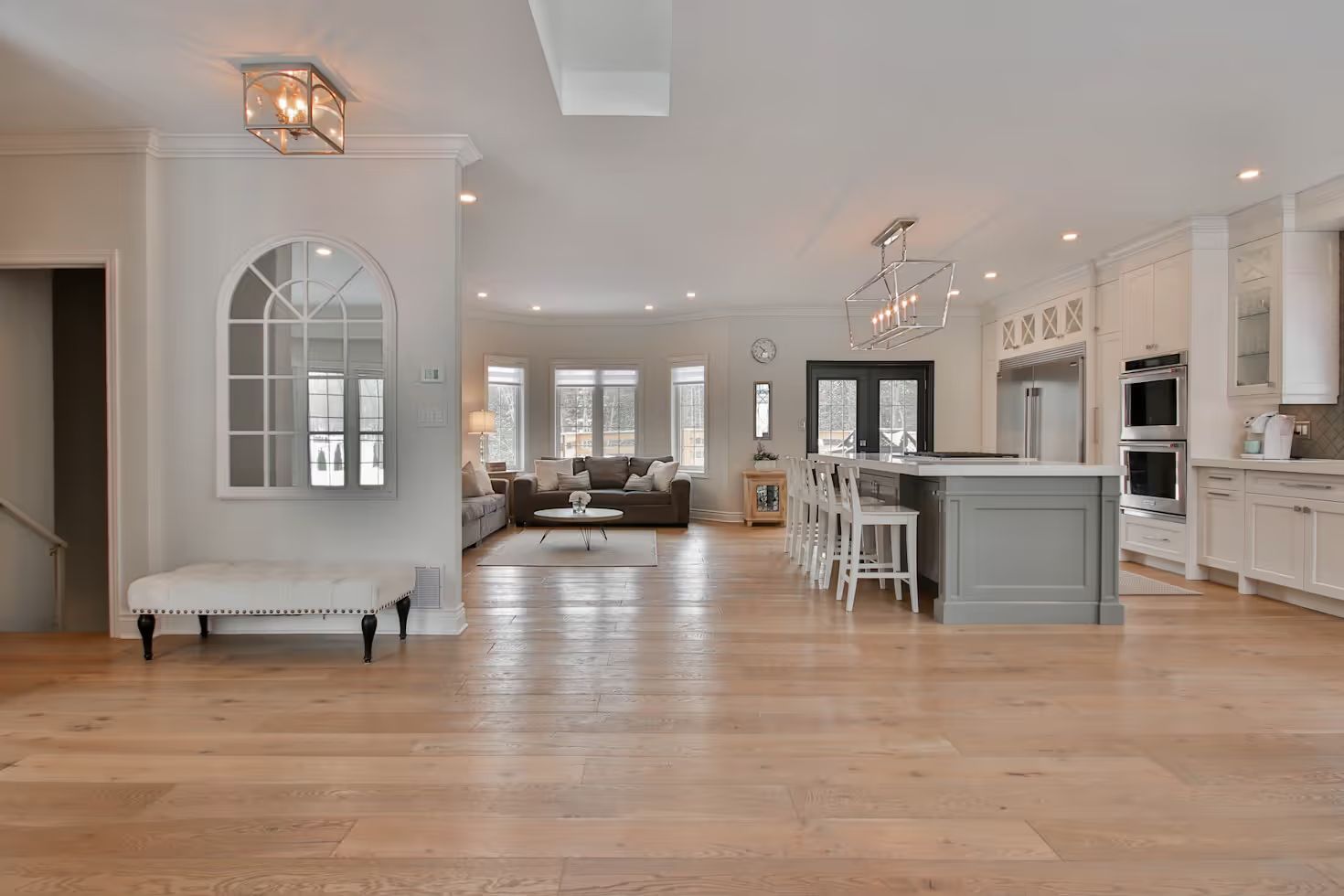
A surprising way you can help to lower your home’s energy consumption is by making smarter renovation choices, especially when it comes to open design layouts. When you open up areas, such as combining a living and dining room, you can brighten up both spaces with less need for additional fixtures.
Since both rooms can share lighting features like skylights or ceiling lights, you can start to lower your energy consumption for illuminating both rooms separately. You’ll also find that air can flow more seamlessly between one space and the next, which can often help to decrease your heating bills in the colder months as well.
Upgrading Water Fixtures
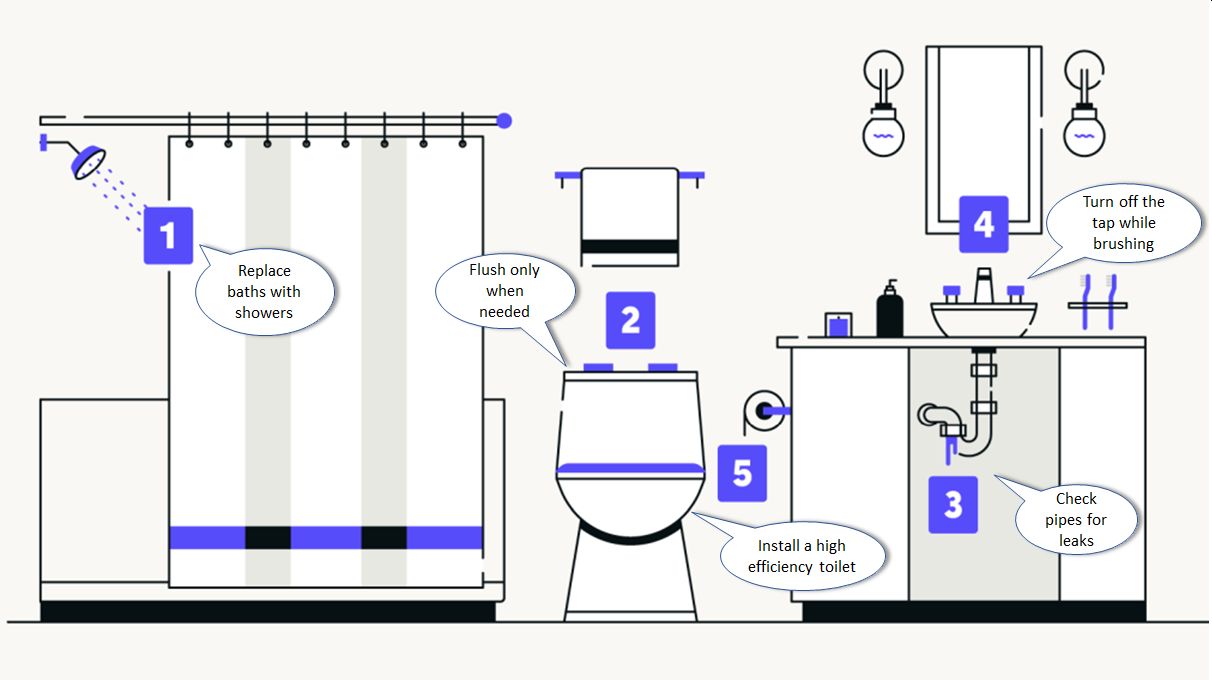
When making smarter home design choices, another good place to look is your home’s water consumption. While you may not be able to make significant changes to this outside of simply having better usage habits, there are some changes you can make that don’t necessarily require a large home renovation project.
For example, simply replacing your older water fixtures with newer, water-efficient models can help you reduce water consumption in your sinks and toilets. These small upgrades can save a considerable amount on annual utility costs and reduce water waste.
Putting in a Greywater System
Although greywater systems aren’t common in all homes, they can be another effective strategy for reducing water consumption. Essentially, how these systems work is they use a routing system that gathers lightly used water, like when using a sink or shower and then collects it in a large basin.
Once all the water is collected, it’s treated and then repurposed into other non-potable sources, such as watering the grass when using a sprinkler system. This helps to limit the use of potable water systems for activities that don’t require actual drinking water, and is a great way to get the most value out of the water sources coming into the home.
Create a More Eco-Friendly Living Space
Getting your home designed in a way that suits your lifestyle is important. But it’s also essential to consider how the design choices you make can impact the environment. By following these eco-friendly interior design strategies, you’ll be able to feel better about how you customize your living space, while creating more opportunities for more sustainable living.
———————————
Author Bio: Rebecca Denis is the Head of Interior Design at Revive Real Estate and an accomplished interior designer with over a decade of experience creating inspired, functional spaces.
Source link
ecoideaz ecoideaz.com
