
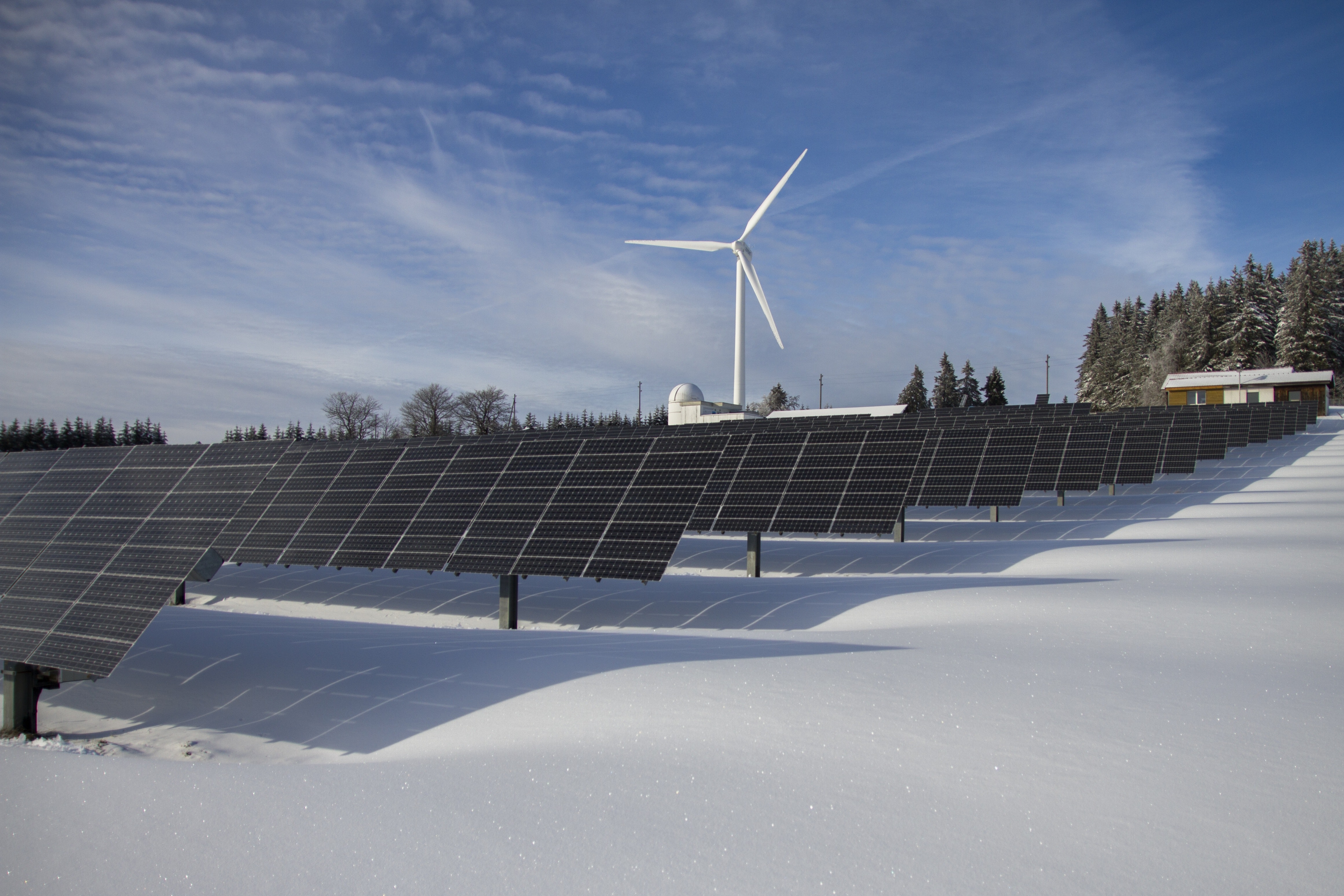
Empowering the Next Generation: The Importance of Environmental Education
:
The world is facing unprecedented environmental challenges, including climate change, deforestation, pollution, and biodiversity loss. These challenges affect the livelihoods of millions of people worldwide and threaten the sustainability of our planet. Environmental education plays a crucial role in empowering the next generation with the knowledge and skills needed to address these challenges and create a more sustainable future. In this article, we will explore the importance of environmental education and its impact on the next generation.
:
1. What is Environmental Education?
Environmental education is the process of teaching and learning about the natural world and the human impact on it. It aims to develop an understanding of environmental issues, promote sustainable behavior, and encourage responsible actions towards the environment. Environmental education encompasses a wide range of subjects, including ecology, conservation, climate change, sustainable development, and social justice.
2. Why is Environmental Education Important?
Environmental education is critical for several reasons:
a. Raising Awareness: Environmental education raises awareness about environmental issues and their impact on the world. It helps individuals understand the interconnectedness of the environment and how their actions can affect it.
b. Developing Skills: Environmental education develops skills needed to address environmental challenges, such as critical thinking, problem-solving, and decision-making.
c. Promoting Sustainable Behavior: Environmental education promotes sustainable behavior by encouraging individuals to make conscious choices that benefit the environment.
d. Encouraging Responsible Actions: Environmental education encourages individuals to take responsibility for their actions towards the environment and become active agents of change.
3. Impact of Environmental Education on the Next Generation
Environmental education has a profound impact on the next generation. It equips them with the knowledge and skills needed to address environmental challenges and create a more sustainable future. Some of the impacts of environmental education on the next generation include:
a. Increased Awareness: Environmental education increases awareness among young people about environmental issues and their impact on the world. It helps them understand the interconnectedness of the environment and how their actions can affect it.
b. Development of Skills: Environmental education develops critical thinking, problem-solving, and decision-making skills needed to address environmental challenges.
c. Promotion of Sustainable Behavior: Environmental education promotes sustainable behavior among young people by encouraging them to make conscious choices that benefit the environment.
d. Encouragement of Responsible Actions: Environmental education encourages young people to take responsibility for their actions towards the environment and become active agents of change.
4. Environmental Education in Schools
Schools play a crucial role in providing environmental education to the next generation. It is essential to integrate environmental education into the curriculum to ensure that students have access to the knowledge and skills needed to address environmental challenges. Some of the ways schools can provide environmental education include:
a. Incorporating Environmental Education into the Curriculum: Schools can incorporate environmental education into the curriculum by integrating it into subjects such as science, social studies, and geography.
b. Providing Outdoor Learning Opportunities: Schools can provide outdoor learning opportunities, such as field trips, nature walks, and camping, to help students connect with nature and learn about the environment.
c. Encouraging Sustainable Practices: Schools can encourage sustainable practices, such as recycling, reducing waste, and conserving energy, to promote sustainable behavior among students.
d. Creating Environmental Clubs: Schools can create environmental clubs to provide students with a platform to learn about environmental issues, discuss solutions, and take action.
Conclusion:
Environmental education is crucial for empowering the next generation with the knowledge and skills needed to address environmental challenges and create a more sustainable future. It raises awareness, develops critical thinking and problem-solving skills, promotes sustainable behavior, and encourages responsible actions towards the environment. Schools play a crucial role in providing environmental education to the next generation by integrating it into the curriculum, providing outdoor learning opportunities, encouraging sustainable practices, and creating environmental clubs. By investing in environmental education, we can empower the next generation to become active agents of change and create a more sustainable future.
Q&A:
1. How can parents contribute to environmental education?
Parents can contribute to environmental education by teaching their children about environmental issues, encouraging sustainable behavior, and providing outdoor learning opportunities. They can also support environmental education in schools by volunteering, donating, and advocating for its inclusion in the curriculum.
2. How can businesses contribute to environmental education?
Businesses can contribute to environmental education by promoting sustainable practices, investing in environmental research and development, and supporting environmental education programs in schools. They can also engage with their employees and customers to raise awareness about environmental issues and encourage sustainable behavior.
3. How can governments contribute to environmental education?
Governments can contribute to environmental education by providing funding for environmental education programs in schools, developing policies that promote sustainable practices, and supporting research and development in the field of environmental education. They can also engage with the public to raise awareness about environmental issues and encourage responsible actions towards the environment.
