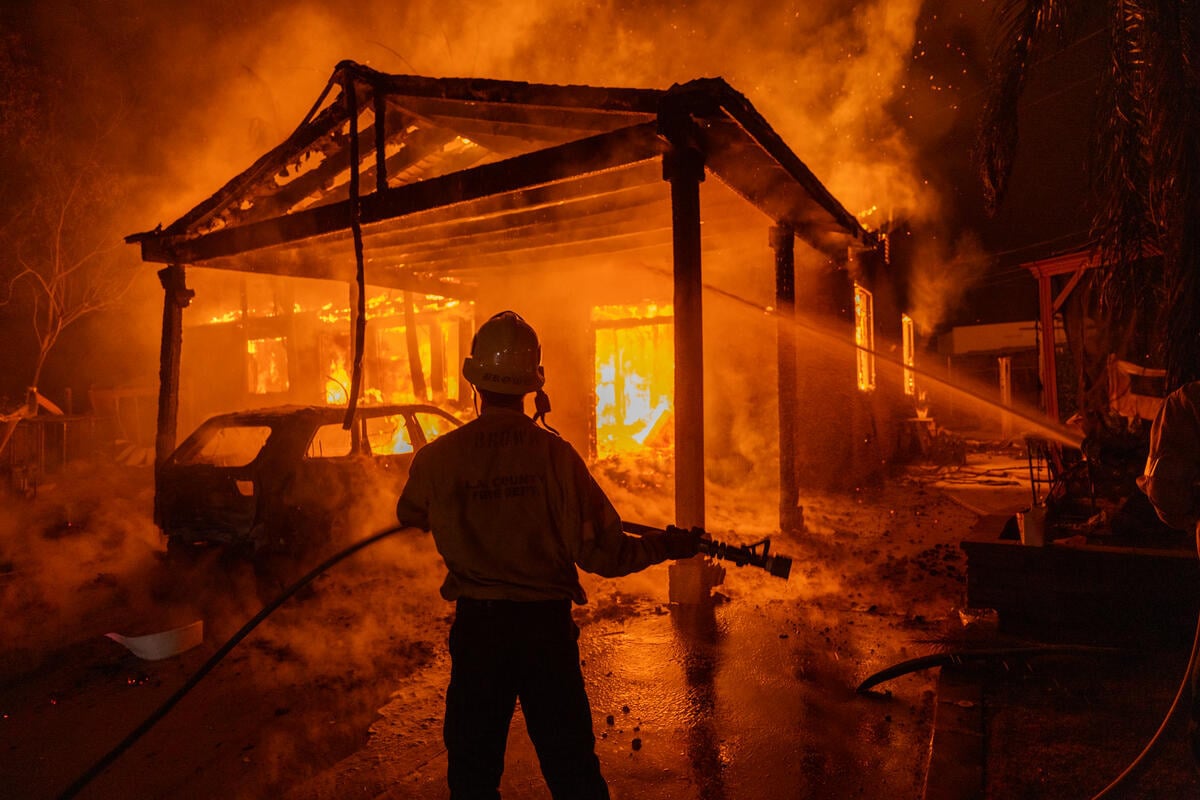
Epigenomes, Vol. 10, Pages 8: Differences in MicroRNA Expression in Firefighters Responding to a Train Derailment and Fire in East Palestine, Ohio
Epigenomes doi: 10.3390/epigenomes10010008
Authors:
Jaclyn M. Goodrich
Yaodong Xin
Shawn C. Beitel
John Gulotta
Lu Wang
Bhavya Thotakura
Judith M. Graber
Derek Urwin
Alexander C. Mayer
Sara Jahnke
Derrick L. Edwards
Casey Grant
Sreenivasan Ranganathan
Jefferey L. Burgess
Background/Objectives: High-risk, low-frequency incidents such as building collapses and large chemical fires can result in acute, high-dose exposures to toxic agents for first responders and the surrounding community. While these exposures may last for hours to days, their contribution to firefighters’ risks for cancer and other diseases is relatively unknown. In February 2023, a freight train transporting chemicals derailed and caught fire in East Palestine, Ohio, US. More than 350 firefighters, primarily volunteer, responded to the incident. In this cross-sectional study, we evaluated epigenetic markers of toxicity in responding firefighters. We hypothesized that exposures from responding to the train derailment would alter the expression of microRNAs (miRNAs) linked to carcinogenesis. Methods: We enrolled 62 responding firefighters and a comparison group of 26 firefighters from the same region who did not respond to the incident. We measured the relative expression of 800 miRNAs in blood samples using the nCounter Human v3 miRNA expression panel. We compared the expression of miRNA between exposure groups in negative binomial regression models, adjusting for potential confounders. Results: At a false discover rate cut-off of 5% (q-value < 0.05), 16 miRNAs had significantly higher expression and one significantly lower among firefighters that responded to the incident. Top disease-related pathways in which these miRNAs were enriched included those relevant to neurodegenerative diseases, vascular disease, and multiple cancer sites. Conclusions: Overall, results suggest responding to one large incident can have non-transient impacts on miRNA expression. Whether this translates into longer-term health risks or adaptive responses to exposures is unclear.
Source link
Jaclyn M. Goodrich www.mdpi.com