
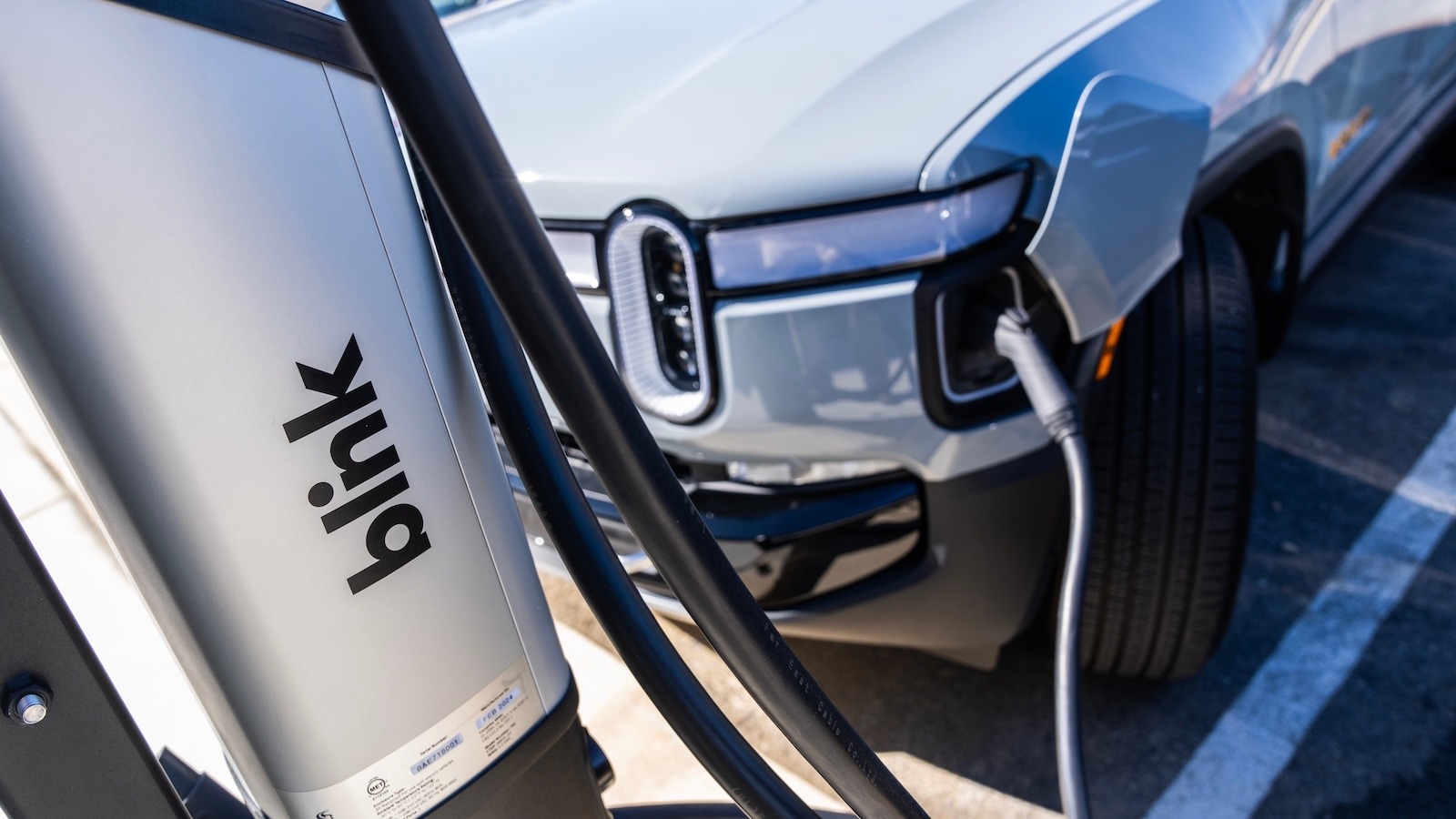
Electric vehicle sales have cratered.
Across the country, dealers sold about 20 percent fewer used electric cars in October than in September and saw a staggering 50 percent drop for new ones, according to the latest data. No one was surprised. Congress voted in July to end the federal tax credits that helped consumers afford them on September 30, years before they were supposed to expire. That led to a rush of purchases before the deadline and a precipitous drop afterward.
Secure · Tax deductible · Takes 45 Seconds
Secure · Tax deductible · Takes 45 Seconds
The question now is whether this dip is a sign of a prolonged slump or a mere blip in an otherwise upward trajectory. While only time will tell, many analysts believe that electric vehicle adoption in the United States will continue to grow — albeit maybe not at the same pace seen before Congress killed the credits and automakers started second-guessing themselves.
“We’re definitely gonna see a slowdown,” said Stephanie Valdez Streaty, director of industry insights at Cox Automotive. Eliminating the federal credit of $7,500 on new EVs and $4,500 on used ones is certainly taking a toll. But the price of batteries, and thus cars, also continues to come down. Used models are becoming more of a bargain, too. As of this fall, the price gap between used EVs and their gas-powered equivalents had narrowed to just $900. In China, Valdez Streaty said, electric versions of cars often already cost less than their conventional counterparts.
“It’s not going to just stop,” she said of momentum in the United States. “It’s going to be gradual adoption, but I still think we’re going forward.”
Even with the decline, electric vehicles are on pace for record sales this year and make up around 8 percent of the overall market. That is up from around 2.3 percent five years ago and a meager 0.66 percent a decade back. Valdez Streaty expects this trend to continue, as does Liz Najman, director of market insights at Recurrent, a company that provides data about EVs. She said that there are a slew of new, more affordable models, including revamped versions of the Nissan Leaf and Chevrolet Bolt, coming to market over the next year that should help drive demand.
By the end of 2026, there will be around 16 electric models available for less than $42,000 new, compared to half that this year, Najman said. And, like Valdez Streaty, she points to continued downward pressure on used prices expanding adoption of the technology. Most notably, dealerships offered a glut of lease deals on EVs in recent years, and many of those cars are approaching the end of their terms and will soon hit used lots.
“There are a lot of options for people,” said Najam, who is optimistic about the industry’s prospects. Kathy Harris, with the environmental nonprofit NRDC, notes that EVs owners don’t need to buy gas and they avoid some basic maintenance like oil changes. That makes cars with cords more attractive. Overall, she said, “there are significant total cost of ownership benefits even with the higher upfront price.”
That said, the market is certainly fighting headwinds.
In addition to rescinding consumer tax credits, Republicans in Congress also stripped away many manufacturing and other corporate incentives for battery or vehicle manufacturing. They have also attempted to undercut federal fuel economy and pollution standards, which incentivize production of low- and zero-emissions vehicles. In that same bill, for example, Congress eliminated the penalties for manufacturers that violate the Corporate Average Fuel Economy, or CAFE, standards. This allows companies to produce more profitable yet less fuel-efficient vehicles like SUVs and pickup trucks without worry of being fined. Under President Donald Trump, the Environmental Protection Agency also revoked California’s waiver to set its own emissions standards.
A number of these changes are currently the subject of litigation (California, for example, has sued the Trump administration to preserve its tailpipe rules), and analysts are watching these cases closely. The same goes for Trump’s sweeping tariffs, which have also put upward pressure on the cost of all new vehicles. EVs could be particularly hard-hit, as batteries generally come from abroad and can make up as much as 40 percent of the value of the car.
All of this uncertainty has led several manufacturers to announce rollbacks in their EV plans. But Najman points out that many have stood their ground, too; she called out Hyundai in particular for expanding their EV offerings. “These are companies that have already made their commitment to electric vehicles clear both in terms of words and actions,” she said. This blip is “not really going to slow down their success.”
Some states are trying to step in to fill the void the federal government has left. Since those credits went away, Colorado and Connecticut have raised their credits or rebates (by $3,000 and $500, respectively). In total, Valdez Streaty said, 17 states offer EV purchase incentives. And, the United States aside, Harris believes that manufacturers will keep producing more, and cheaper, EVs, because that’s what customers in the rest of the world want as well.
“It’s quite clear that this is still where the market is going,” she said. “I’m hopeful.”
Source link
Tik Root grist.org
