Leaves, fallen branches, and grass clippings often end up bagged and hauled away as yard waste, but much of that material still has value. Yard debris is rich in organic matter that can be reused to improve soil health, reduce waste, and support a more sustainable landscape.
In this article, we’ll explore eco-friendly ways to repurpose yard debris, from composting and mulching to grasscycling. This will help you turn everyday cleanup into an opportunity to close the loop, nourish your garden, and make better use of what your yard already provides.
Recycle Yard Waste Through Composting
Composting is one of the most effective ways to reuse yard debris. It’s a natural process in which organic matter (like leaves, fruit peels, and grass clippings) breaks down into a material that can enrich your soil.
You can compost at home using a simple compost bin, tumbler, or even a contained pile in a corner of the yard (if it’s sheltered from sunlight and rain). The key is combining different types of materials so they break down efficiently. Focus on:
- Carbon-rich “browns,” like leaves, pine needles, small twigs, and branches
- Nitrogen-rich “greens,” like grass clippings, coffee grounds, and fruit peels
Learning how to balance these materials is the key to producing rich, usable compost. Once ready, you can use compost in your yard in various ways. It improves soil structure, helps retain moisture, and supports beneficial microorganisms. Spread it over garden beds, mix it into planting holes to amend native soils, or use it as a topdressing for lawns. Adding compost is also one of the best ways to build climate resilience in your garden.
Leave Grass Clippings to Feed Your Lawn
Grass clippings don’t necessarily need to be collected and bagged. Grasscycling, the practice of leaving clippings on your lawn after mowing, allows the clippings to decompose quickly and return nutrients to the soil.
This practice reduces yard waste, and it also helps your turf. Clippings return nitrogen and organic matter to the soil, helping grass stay greener with less need for fertilizer. It also saves time and cuts down on plastic bag use. Grasscycling works best when:
Reuse Leaves and Branches as Natural Mulch
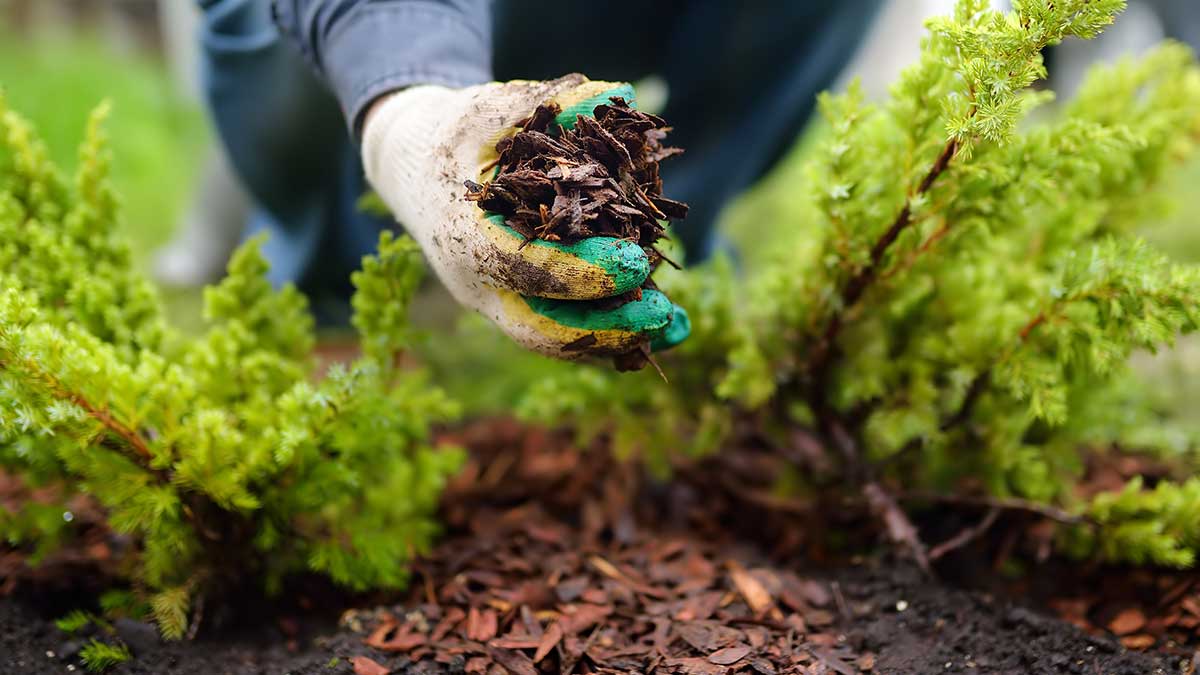
Leaves and small branches (especially when shredded) make effective organic mulch that can enrich your soil by breaking down over time, help contain moisture, and regulate soil temperature. You can use it in the following areas:
- Annual and perennial gardens
- Flower and vegetable gardens
- Around trees and shrubs
- Around water gardens
For best results, apply mulch in a loose layer and keep it a few inches away from plant stems and tree trunks. Used correctly, it can support healthier plants while keeping organic material out of the waste stream.
Turn Fallen Leaves Into Leaf Mold
Making leaf mold is a great way to reuse fallen leaves. Unlike compost, which relies mainly on a mix of beneficial bacteria, leaf mold is created by fungi, which help leaves slowly decompose over time. The result is a dark, crumbly soil conditioner that improves soil structure.
To create leaf mold, pile shredded leaves in a wire bin or in breathable bags in a corner of the yard with no direct sunlight. Keep it moist while they break down naturally for about 10 months.
Once ready, you can mix the leaf mold into garden soil, use it as topdressing for beds, or add it to pots and planting holes.
Build Garden Edges and Structures From Branches
Fallen branches and twigs can be repurposed into simple garden features that add structure without you having to buy more materials. Used thoughtfully, they can help define spaces, guide foot traffic, and support plants as part of a more ecological approach to landscaping. Branches work well for:
Note: Stick to untreated wood and remove sharp ends before placing branches in active areas.
Get Creative With Yard Debris
Yard debris doesn’t have to stay in the garden. Leaves, twigs, and small branches can also be used for your creative projects. Here are a few ideas on how to use them:
- Craft twig wreaths, frames, or mobiles for rustic home décor
- Make leaf prints or collages using fallen leaves and natural dyes
- Create garden markers or signs made from sticks and bark
- Think about seasonal crafts (holidays, Easter) that celebrate changes in the landscape
Even small creative efforts keep organic matter out of landfills and add a personal, sustainable touch to everyday spaces, reinforcing habits that support low-waste family routines at home.
Turn Your Yard Waste Into a Resource
Leaves, fallen branches, and grass clippings don’t have to be treated as waste. With a little intention, yard debris can be reused to improve soil health, support local ecosystems, and reduce the amount of organic material sent to landfills.
Whether you compost, leave grass clippings on the lawn, mulch, or create leaf mold, each small action helps close the loop at home.
About the Author
Maria Isabela Reis is a creative writer with a Ph.D. in social psychology and over three years of experience writing about lawn care.
Source link
Guest Contributor earth911.com