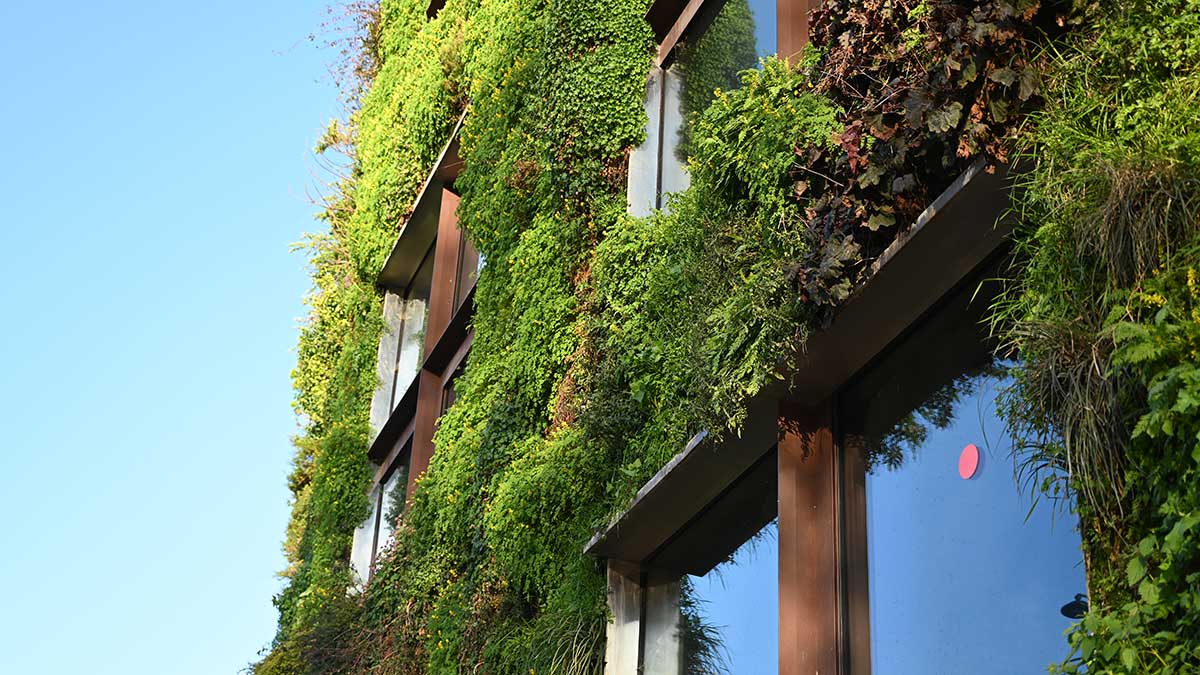
The world’s approach to construction is shifting as climate change intensifies and the calls for decarbonization are louder than ever. Buildings, roads and other forms of infrastructure are becoming more sustainable through eco-friendly practices and materials.
That said, the change extends beyond elements relevant to construction. There’s also a fundamental reimagining of the concepts to build more resilient and energy-efficient spaces that harmoniously fit with the environment.
Sustainable construction is the environmentally responsible process of building infrastructure. It involves a more holistic approach compared to traditional construction since it assess the life cycle of both the materials and the structural design. This technique is gaining traction as surveys find that 87% of respondents think society needs to do more in terms of sustainable construction.
How Sustainable Construction is Becoming More Relevant
There are three main pillars that can help guide those who want to pursue sustainable construction:
- Environmental: Environmental sustainability is about minimizing carbon footprint and other negative impacts of construction. It may involve avoiding demolition or reducing resource waste, as well as adopting recycling practices or utilizing eco-friendly materials.
- Social: Social sustainability emphasizes the need for safe environments for communities. It can spark initiatives like building safer construction sites for workers or making housing more affordable for future homebuyers.
- Economic: Economic sustainability focuses on long-term cost efficiency and resource allocation. It’s one of the most important pillars, as it takes into account technological advancements and operational savings that contribute to continuing these projects.
Choosing the Right Materials
Materials are a primary avenue for modification to achieve sustainable construction. Cultivate a circular economy where resources are consistently reused and recycled.
Mass timber frequently arises in discussions about sustainable building materials. Provided that people sustainably manage their forests, construction companies can utilize this material over more carbon-intensive alternatives.
Bamboo is also vital, especially since it rapidly grows and can be integrated with other materials. A study finds that cross-laminated bamboo and timber have greater compressive strength and shear performance compared to cross-laminated timber.
Traditional concrete is far from sustainable, but its self-healing counterpart offers a greener option due to its enhanced durability and longevity. Additionally, it reduces maintenance and repair costs for economic sustainability.
Inquire with your contractors about materials used in your own construction projects. Even simple questions, such as “Where do you source your materials?” and “Do you use any recycled or salvaged materials?” can initiate a conversation about the sustainability of their choices and areas for improvement.
Incorporating the Right Methods
Combining the use of sustainable building materials with greener construction methods can make infrastructure projects more eco-friendly in the long run. Ask your contractor about their current practices and their overall environmental impact.
You can also integrate these methods into your projects for increased sustainability:
- Passive house design: This is an intentional design standard that optimizes the building performance through its positioning and composition. When executed properly, occupants can live with minimal shade, lighting, heating and cooling.
- Water efficiency: Thoughtful cleaning schedules and more advanced concrete curing techniques result in improved water use during the construction process. Regarding occupancy, water-saving landscaping and water-efficient fixtures are essential.
- Waste management: Construction and demolition waste accounts for 20-30% of the global solid waste, making it vital to implement techniques that can prevent waste formation. Recycling and reusing materials and equipment are also critical strategies.
Transitioning to Renewable Energy
Integrating renewable energy into sustainable infrastructure is also critical, especially if the goal is to make it the norm in the future. Around 60% of methane emissions come from the oil and natural gas industry, which the construction sector heavily relies on to power up equipment and operations. A transition away from fossil fuels is imperative to solidify the shift.
There are existing renewable energy options already utilized in certain construction projects. For instance, solar panels can gather and store solar energy for use in power and heating. Meanwhile, geothermal systems are becoming an innovative way to heat and cool buildings through the planet’s own thermal energy.
How to Support Green Infrastructure for the Future
Moving toward sustainable construction is a collective effort, and each person can contribute toward that progress. Here are several practical, action-oriented approaches.
At Home
Find ways to make your current or future homes a little greener. For example, conducting a home energy audit can reveal any inefficient habits or appliances that may need replacement. You can also go the extra mile to look for green utility suppliers available in your area to check the logistics of adopting those power sources.
Planting native plants can also promote sustainability. If you have the space, consider larger trees for extra shade. Sweetgum thrives in urban environments with its fall colors and fruits, but you could also go for the southern magnolia or pond cypress.
In Your Community
To become more proactive, consider engaging with your family and friends. Share with them any sustainable construction news that you’d like to get more traction for. On a community level, you can get involved in local planning meetings and advocate for green infrastructure, such as permeable pavements and green roofs.
With Businesses
Construction businesses are continuing to shift toward more sustainable practices, and it’s essential to support those who are actively implementing those practices. One telltale sign is to check for LEED and other green building certifications in their projects. Contractors and developers who go out of their way to utilize renewable energy in their processes are also vital.
With the World
Spreading the word in your local area is excellent, but it’s crucial for widespread change to occur. Advocate for policy changes and initiatives to move the world toward an era of sustainable construction. Different countries are already listening and moving — for instance, the UK’s Department for Energy Security and Net Zero is working on the Future Homes Standard, which would make homes gas-free and energy-efficient if implemented. Legislation is expected to take effect in December 2026.
Other major sustainability projects are facing setbacks, including the U.S. Department of Energy’s decision to pause its compliance with banning fossil fuel use in federal building construction projects, citing affordability as the reason. Speaking up is especially important in a time when even sustainable policies and funds toward it are being overturned.
Build a Better Tomorrow Today
Sustainable construction is imperative to implement in the present to ensure it becomes the norm for the future. Advocate for these greener practices whenever possible and stay vigilant for further developments in this area. Collectively, these efforts will make a difference for the planet.
About the Author
Peter Chambers, an associate editor at Renovated, is a dedicated sustainable living and home improvement writer. As a woodworker, DIY enthusiast, and gardening nerd, he combines his passion for craftsmanship with his commitment to environmental responsibility. When he’s not writing, you can find Peter out on a hike, in his woodshop, or tending to his vegetable garden.
Source link
Guest Contributor earth911.com