From atmospheric rivers to 100-year floods, extreme weather events are putting unprecedented stress on infrastructure. Communities and people are resilient. You can withstand, adapt to and recover from these disasters, but innovations in material science can help you prepare for, instead of react to, these climate-related devastations. Green, water-repelling materials offer powerful and practical solutions for building a more durable future.
What Are Hydrophobic Materials?
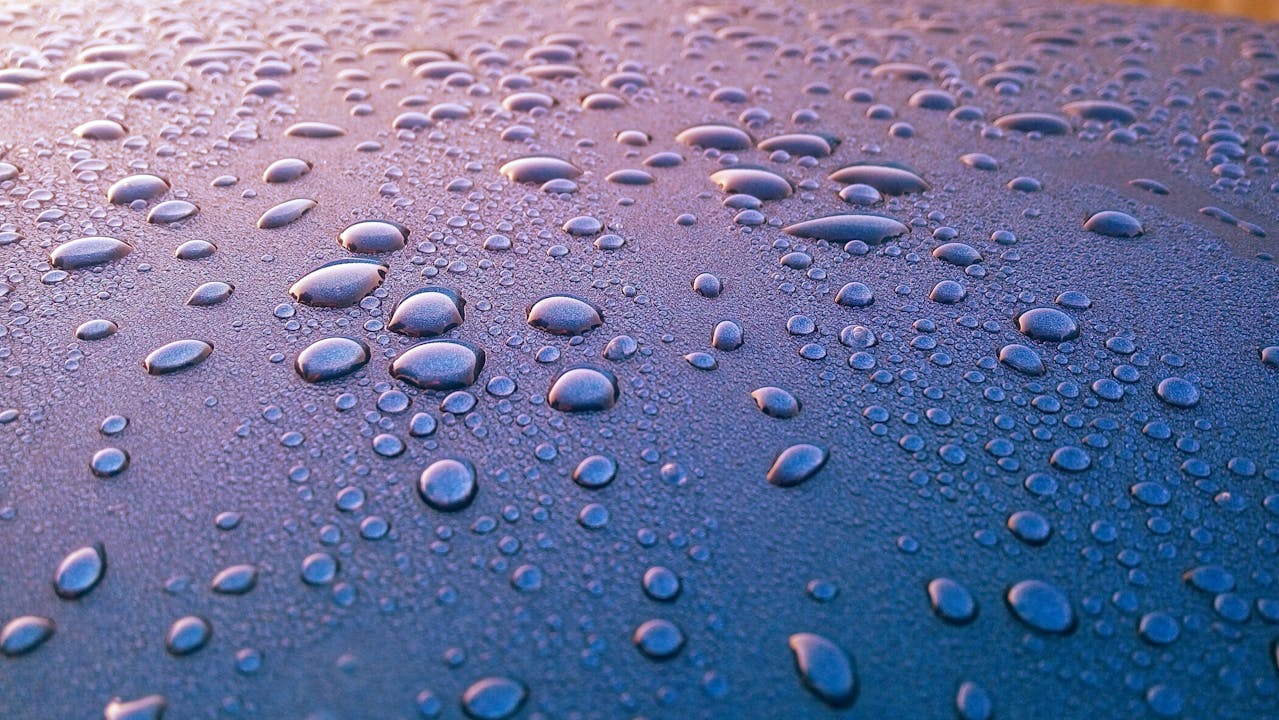
Hydrophobic materials repel water at a molecular level, like how water beads up and rolls off a freshly waxed car instead of soaking in. This is due to a high surface tension between the water and the material.
In material science, hydrophobicity is measured by its “water contact angle.” A higher angle, such as those above 150 degrees, means the water beads up more tightly, indicating a more effective water-repelling surface. This concept has two categories:
- Hydrophobic coatings: Films or sprays applied to a surface, such as waterproofing spray for shoes and industrial anti-rust paint for bridges.
- Hydrophobic materials: Structural materials with water-resistant compositions, such as silicone, Teflon and advanced composites.
What Makes Hydrophobic Materials Green?
A shift from older, petroleum-based components to more sustainable alternatives is giving way to green hydrophobic materials. You’ll see these made from natural elements, such as silica, plant-based waxes and recycled polymers. Aside from being environmentally friendly, these choices also align with the principles of a zero-waste lifestyle, which prioritizes nontoxic materials, reducing your environmental footprint and creating less trash.
What Are the Uses of Hydrophobic Materials?
You can use hydrophobic materials for:
- Preventing corrosion: These materials allow you to create an impenetrable barrier between metal and the elements. By preventing oxygen and water from making contact, they stop the chemical reaction that causes rust on everything from pipelines to public art installations.
- Creating self-cleaning surfaces: When water beads and rolls off surfaces, it picks up dust, pollutants and grime. This is especially useful for solar panels, where a clean surface maximizes absorption, and building facades by reducing cleaning costs and water usage.
- Enhancing efficiency and safety: Consider how hydrophobic coatings in pipelines minimize the energy needed to pump fluids by reducing friction. Meanwhile, applications on wind turbines and power lines can prevent damaging ice from forming.
- Waterproofing everyday items: A layer of hydrophobic coating on consumer goods, such as your smartphone circuit boards, can protect them against spills. When applied to fabrics, it can also keep you dry, making it ideal for outdoor gear.
Beyond Coatings: Structural Materials as a First Line of Defense
While useful, coatings are only a surface-level solution. They can be scratched, applied improperly or worn down by UV exposure, leaving vulnerable spots where water can seep in and cause damage.
However, when a material is inherently hydrophobic, its water protection is integrated throughout. There are no weak spots. A wall or foundation made from a water-resistant composite won’t rot or degrade, even if its surface is scratched or damaged.
Moreover, living with the constant threat of flooding or storm damage can take a psychological toll on you, especially during the climate crisis. Robust, hydrophobic structural materials can provide you with peace of mind and security.
A Case Study: From Sterile Cleanrooms to Resilient Buildings
In sterile environments, such as pharmaceutical laboratories and food processing plants, moisture is a critical threat. It can promote bacterial growth and cause contamination, product spoilage and health risks.
Traditional materials like wooden doors swell, warp and rot when exposed to moisture and frequent wash-downs. Meanwhile, painted steel doors can rust and shed particles, compromising the sterile environments. A hydrophobic material may hold the solution to these challenges.
Glass-reinforced polyester (GRP) is a high-performance type of fiberglass-reinforced plastic (FRP). This solid, one-piece composite has a nonporous surface, so there are no cracks, seams, or pores for water and bacteria to enter. Because it’s inorganic, it cannot rust, rot or corrode. The properties that make GRP perfect for sterile, high-moisture environments are exactly what’s needed for climate-resilient construction.
Green Hydrophobic Innovations in Modern Construction
Many green innovations are examples of the broader trend of sustainability driving developments and technologies. Consider self-healing bio-concrete. To create it, dormant bacteria and their food source are added into the mix. When a microcrack forms and water enters, the bacteria activate, consume the food, and secrete calcite or limestone, which seals the damage.
Another example is green nanocomposites. These can be applied to porous historical stone, such as sandstone and limestone, to make it hydrophobic. The layer prevents water damage without altering the stone’s appearance, which preserves cultural heritage.
Embracing a Hydrophobic Mindset
For architects, city planners and builders, selecting materials with water resistance and climate durability is no longer optional — it’s a fundamental responsibility. The continuous innovations in material science are powerful tools to combat the effects of climate change. Leveraging them can keep you and the communities you live in safe, dry and durable for generations to come.
Source link
Beth Rush biofriendlyplanet.com