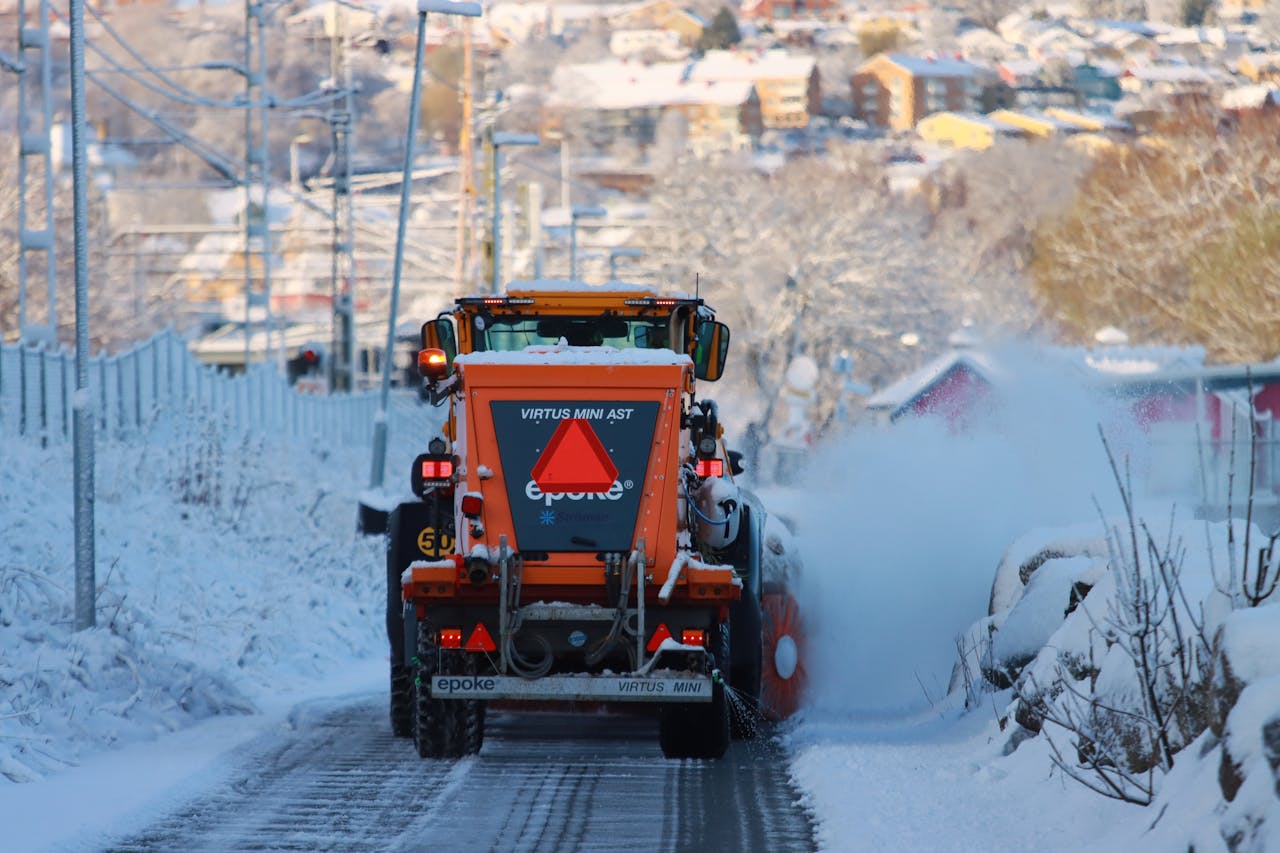
Winter brings stunning and picturesque snow-covered landscapes. However, the area is not as beautiful when the snow melts — the ground is muddy and marred by debris, heavy metals and vehicle fluids. When this snowmelt runoff reaches local streams and lakes, it harms aquatic life and spring water quality.
Proper snow management, with watershed protection and reduced use of deicing chemicals, is crucial to prevent these adverse ecosystem impacts.
Snowbanks As Seasonal Sponges for Pollutants
Throughout winter, the snow accumulating on streets is exposed to various pollutants from the air and the surrounding environment. Like a sponge, it easily absorbs these materials. Primary pollutants include:
- Chemicals: Deicing salts, contributing to winter road salt, antifreeze and windshield washer chemicals
- Heavy metals: Trace amounts of zinc, cadmium and lead from wear and tear of vehicle tires, brake pads and exhaust
- Hydrocarbons: Oil and grease from vehicles
- Sediments: Sand and dirt applied for traction
- Nutrients and bacteria: Pet waste and decaying organic matter, such as dead leaves, worms and insects
- Litter: Small pieces of plastic and trash piled into snowbanks
These materials combine with the snow and become part of the snowmelt runoff when the snow starts to melt in spring. The first thaw flush contains higher concentrations of pollutants since it has accumulated over the season. Even one gallon of oil can pollute one million gallons of freshwater. These pollutants flow from the streets into drains without filtration. The resulting contaminated water is carried to local streams, rivers and lakes.
How Salt Pollution Harms Ecosystems
Road salt is a deicing agent applied to many roads and sidewalks. The resulting salt pollution can lead to a surge of chloride entering freshwater bodies. Unlike other pollutants, such as sediments and decaying matter, chloride cannot be broken down by microorganisms. Instead, it stays in the water and accumulates over time.
Chloride can also release other harmful pollutants, such as mercury and hydrocarbons, that have previously settled on the ground. This exacerbates the environmental impacts of winter management strategies.
The use of sodium chloride in snow removal can lead to the following ecosystem damages:
Effects on Wildlife
An increased chloride concentration affects spring water quality and ecosystems. Salt is drawn out of the bodies of fish and amphibians, effectively killing them. Chloride also causes developmental disabilities in many animal species. Fish and insects, such as mayflies and stoneflies, may hatch their eggs in high-chloride water, which can be poisonous to their young. The chemical causes developmental abnormalities and growth disruptions.
Deer, moose and elk are also lured by these unnatural salt piles on high-traffic roads, increasing the risk of collisions with vehicles.
Effects on Vegetation
Salt accumulation in the soil mimics drought conditions. It prevents root systems from absorbing water. As a result, plants wilt and eventually die. Stray salt from passing vehicles’ tires may accidentally spray onto tree buds and evergreen needles. Salt dries them out, halting their growth in the spring.
Effects on Humans
Water high in chloride can enter water treatment systems. It has the potential to accelerate corrosion of municipal distribution pipes and residential plumbing. Weakened pipes can leach heavy metals, such as lead and copper, into community tap water. As water becomes contaminated, scientists must constantly monitor water quality and assess whether it is safe for consumption.

Better Snow Management Strategies
Proper snow management and watershed protection are important to prevent harmful changes to ecosystems and water distribution systems.
Community and Commercial-Scale Responsibility
Winter road salt can be effectively managed with proper cooperation among businesses, municipalities, homeowner associations and communities. Efficient and sustainable environmental practices typically involve professional solutions. Snow management operations use specialized tools, such as heavy-duty snow plows for major snowbanks and snowblower attachments, clearing light or medium amounts of snow from driveways and other sensitive surfaces.
Renting equipment for seasonal use is a cost-effective solution for many municipalities. Effective plowing can deter deicing practices, avoiding the accumulation of winter road salt and its negative environmental impacts. Community plowing also provides individuals and vehicles with greater access to walkways.
Smarter Choices on Your Doorstep
Individuals can contribute to a decreased reliance on chemical deicing practices. The most eco-friendly practice is to shovel early and often with lightweight equipment for ease of use. This prevents ice from forming and prevents contaminants from accumulating.
Shovel snow into lawns, garden beds and other permeable surfaces, rather than driveways or streets. Snowmelt runoff will be absorbed and filtered by the soil, preventing it from affecting spring water quality. Use deicers sparingly and only when truly necessary. Scatter them for coverage on snow banks instead of piling.
Here are several eco-friendly snow management options you can try:
- Sand or grit: Good for traction, but it doesn’t melt ice and can contribute to sediment pollution
- Sugar beet juice or pickle brine: Effective for lower temperatures, but should still be used mindfully
- Alfalfa meal or coffee grounds: Mildly effective, but is best for light applications
Permanent Solutions for a Resilient Landscape
Long-term structural changes can go beyond managing saltwater runoff to actively protect the watershed. Individuals can advocate for permeable pavers or porous asphalt. These surfaces function the same way as traditional driveways, patios and parking lots. The key difference is permeable pavers and porous asphalt have tiny pores that allow water to pass through and into the ground below. Instead of directing snowmelt runoff into water pipelines, it is returned to the soil.
Rain gardens and bioswales can be erected to intercept snowmelt runoff. Plants’ root systems filter pollutants, while the soil filters out sediments and heavy metals. These landscaping structures can also beautify outdoor areas.
Planning for a Healthier Spring
Chemical-based snow management practices have harmful environmental effects on wildlife, trees and humans. Snowbanks collect pollutants, which are then dispersed into the environment by runoff from snowmelt. Businesses, municipalities and communities can hire professional-level snow removal solutions, and individuals can participate in sustainable snow management practices by shoveling snow often, using alternative deicers and piling snow on lawns.
These small actions can contribute to enjoying healthier and cleaner bodies of water in the spring and summer.
Source link
Rose Morrison biofriendlyplanet.com