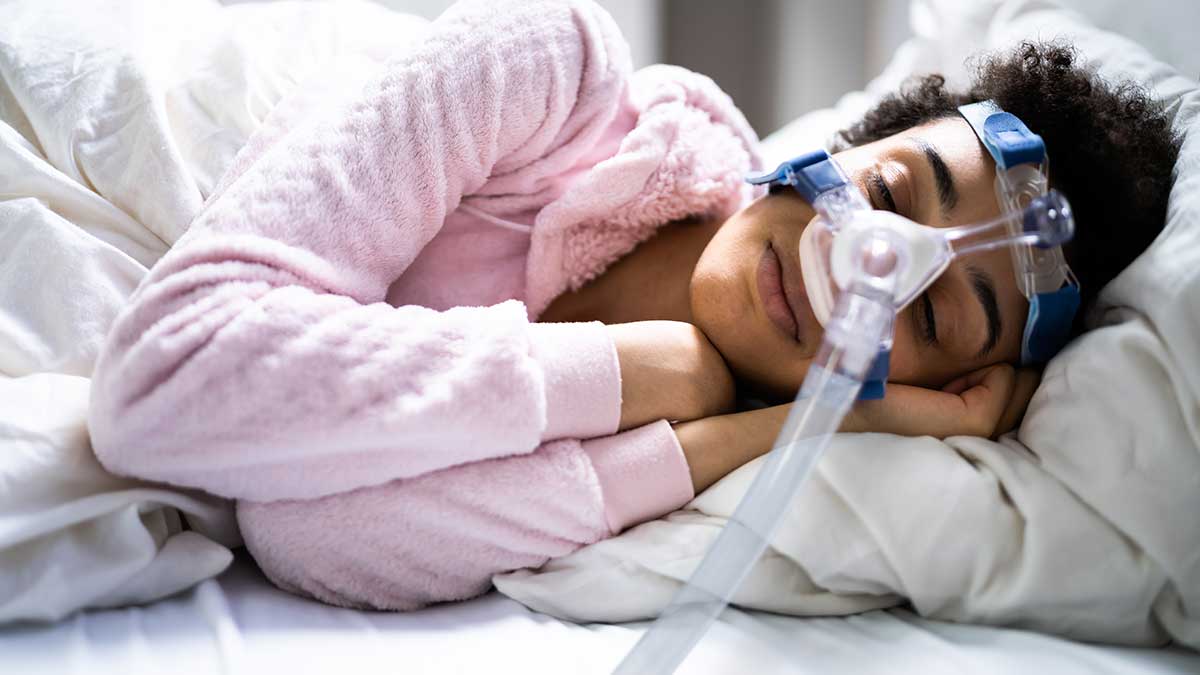
About 8 million Americans use CPAP machines every night for sleep apnea. Dealing with the electronics, plastic tubing, and silicone masks from these devices has created a major waste problem.
In most places, CPAP machines are considered electronic waste, so throwing them in the trash is usually illegal. The compressor inside has circuit boards with lead, mercury, and cadmium, which can pollute soil and water if not handled properly. Accessories like masks and tubing are made from medical-grade silicone and plastics, such as PVC or polycarbonate, which do not break down in landfills.
Manufacturers suggest replacing mask cushions monthly and tubing every 6 to 12 months. This means each CPAP user eventually throws away a lot of accessories. According to a Change.org petition, if all 8 million U.S. users followed these guidelines, almost 100 million mask cushions would end up in landfills every year.
The CPAP Machine
Option 1: Donate to a nonprofit organization
If your machine is functional and relatively new—typically less than five or six years old—donating it can provide someone else inexpensive access to CPAP care, the device a second life, and generate a tax deduction that saves you money. Consider donating your CPAP to:
- Wellness, Sleep and Circadian Network (WSCN). Formerly the American Sleep Apnea Association, WSCN accepts gently used CPAP devices in good working condition from smoke-free homes. Machines must be data-capable and include an SD card. The program also accepts unopened supplies in original packaging. Donors pay shipping costs and receive a tax letter. Note that WSCN no longer accepts Philips Respironics machines due to a 2021 recall.
- Reggie White Sleep Disorders Research and Education Foundation. Founded in honor of NFL legend Reggie White, who died in 2004 from complications related to untreated sleep apnea, this nonprofit accepts CPAP and BiPAP machines, external ventilators, power cords, tubing, filters, and mask accessories. Machines must not be so old that replacement parts are unavailable; email photos to info@reggiewhitefoundation.org to confirm eligibility before shipping. They do not accept recalled Philips units. Donors cover shipping and receive a tax receipt.
- Breathe California. This organization, which focuses on the San Francisco Bay Area and Central Coast of California, accepts functioning CPAP and BiPAP machines from smoke-free households. Leave the SD card in the device; it will be erased before it is passed on to a new user. Contact cpap@lungsrus.org before bringing equipment to confirm eligibility, as certain models or manufacturing dates may be excluded. Free, with a charitable donation letter provided.
- MedWish International – This Cleveland-based nonprofit repurposes medical equipment for humanitarian aid in developing countries and underserved U.S. communities. They accept CPAP machines among other durable medical equipment. Call (216) 692-1685 to schedule a drop-off; they cannot pick up equipment. Supplies must not be expired.
- Advocates for World Health – Accepts CPAP and BiPAP machines for distribution worldwide, primarily to Central America. Contact support@awhealth.org.
Option 2: Sell Your CPAP
SecondWind CPAP, a Minnesota-based company, purchases gently used machines in working condition, typically less than 10 years old and not exposed to smoke. If they can’t buy your machine, they partner with the WSCN or international initiatives to donate it. They pay you for qualifying machine. Contact: 1-855-2ND-CPAP for more information.
Option 3: Recycle as e-waste
If your machine is too old for donation, damaged, or recalled, e-waste recycling is the responsible choice. The EPA recommends using recyclers certified under the R2 (Responsible Recycling) or e-Stewards standards, which ensure proper handling of hazardous materials and data security. These locations may accept the device for free but fees may run as high as $30.
Find a certified recycler:
Many communities also hold e-waste collection events from time to time. Check your local waste management website for details.
Before recycling, do a factory reset on your machine to erase any personal health data stored on the SD card or in the memory. Check your device manual or contact the manufacturer for instructions.
Masks, Tubing, and Soft Accessories
There are not many options for CPAP accessories. Because of FDA rules and hygiene concerns, most donation programs only take new, factory-sealed supplies, not used masks or tubing. These items cannot be safely cleaned for reuse since they have touched respiratory fluids.
What you can donate (new/unopened only):
- Masks with headgear in original packaging
- Tubing in original packaging
- Filters (disposable type)
- Humidifier chambers
- Chin straps
Contact WSCN, the Reggie White Foundation, or Breathe California to donate unopened supplies.
For used masks and tubing, your options include:
Check with your local recycling center. Some cities have special collection days for items that are hard to recycle, including silicone and mixed plastics. Call ahead to ask if they accept medical-grade silicone and PVC tubing.
Manufacturer take-back programs. Some sources suggest major manufacturers like ResMed, Philips Respironics, and Fisher & Paykel may have take-back programs, but our research reveals these programs are not consistently available to consumers. Contact your manufacturer’s customer support to inquire about current options for your specific equipment.
Creative reuse. Clean tubing thoroughly and repurpose it for garden irrigation systems, craft projects, or other non-medical uses.
Landfill as a last resort. If you cannot recycle in your area, used masks and tubing usually have to go in the regular trash. This is not ideal, but it is the reality for most CPAP accessories because there is no established recycling system.
Filters
Disposable filters cannot be recycled because they are contaminated, so they should go in the regular trash. Some reusable filters can be washed following the manufacturer’s instructions, which helps them last longer.
Humidifier Chambers
Humidifier chambers are often made of polycarbonate, a #7 plastic that can be recycled but is not widely accepted. Empty and clean them well before disposal. Check if your local recycler accepts the type of plastic your humidifier uses. If not, these usually go in the regular trash.
Special Case: Philips Recalled Devices
In 2021, Philips Respironics recalled millions of CPAP, BiPAP, and ventilator devices due to degrading PE-PUR sound abatement foam that could release harmful particles. If you have a recalled Philips device, do not donate it, instead follow Philips’ instructions to register for repair or replacement. Most donation programs explicitly exclude these recalled units.
Before You Dispose: Preparation Checklist
- Erase personal data: Factory reset the device to remove sleep therapy data
- Remove SD card: Keep for your records or destroy
- Clean thoroughly: Wipe down the exterior; remove and dispose of used filters
- Gather accessories: Include the power cord, carrying case, and humidifier if donating
- Document for taxes: If you are donating your CPAP, note the fair market value and photograph the equipment before sending it to a nonprofit
- Contact the organization first: Confirm your intended recipient will accept your CPAP model and take time to understand their current requirements
Breathe Easier When You Dispose Responsibly
The truth is, CPAP accessories like masks and tubing are still hard to recycle. While it is easier to donate or recycle the machines themselves, the disposable supplies that users replace often are a challenge for recycling programs.
Until manufacturers set up full recycling programs, CPAP users can help the environment by making accessories last longer through proper cleaning and care, donating working machines instead of throwing them away, using certified e-waste recyclers for broken equipment, and asking manufacturers to start recycling programs.
If you are frustrated by the lack of recycling options for CPAP supplies, you can sign the petition that asks ResMed, Philips, and other manufacturers to create recycling programs for their products.
Source link
Earth911 earth911.com