
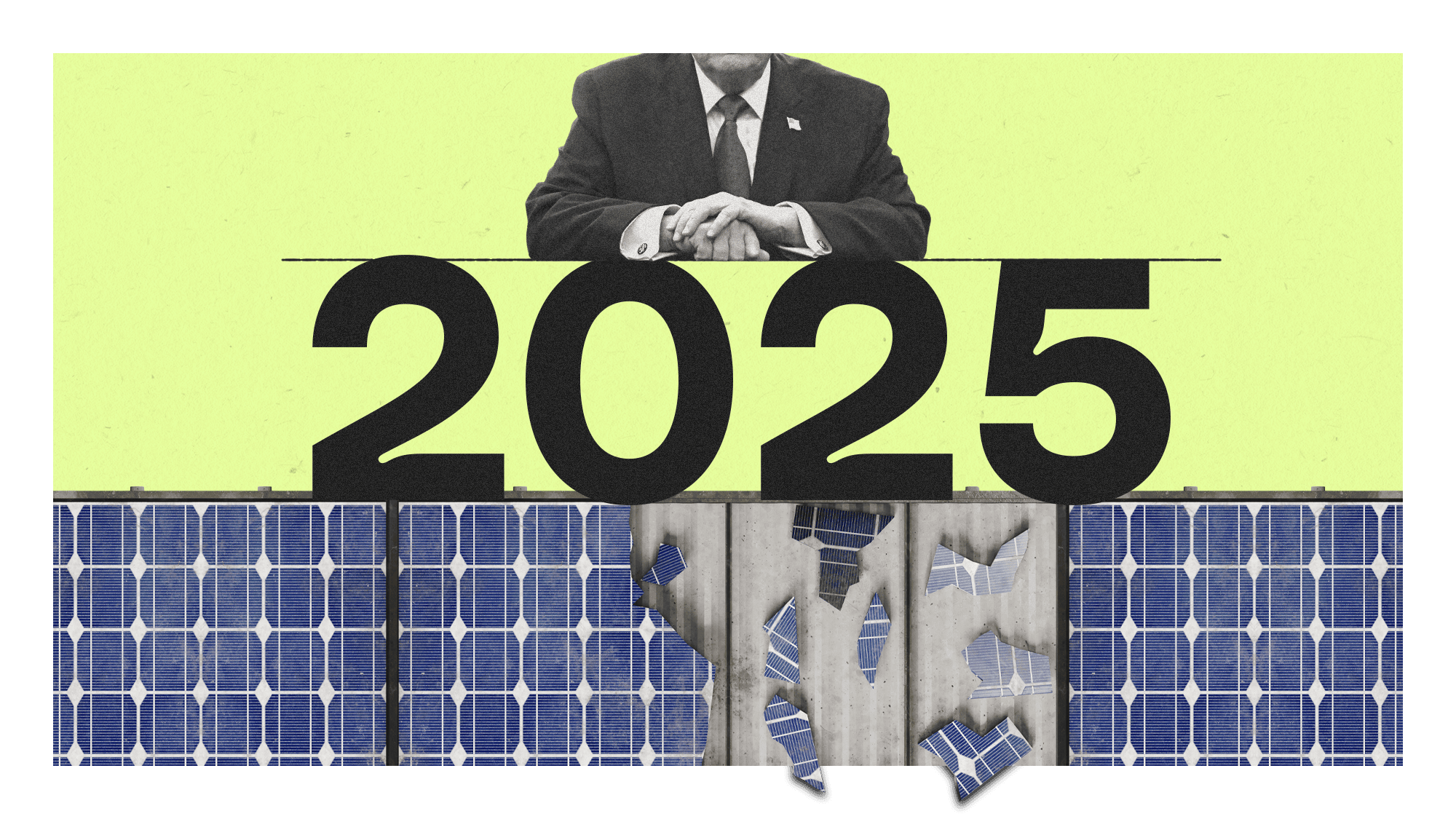
The years leading up to 2025 were marked by a rare optimism that the United States would finally do something about climate change. Former president Joe Biden called the crisis an “enormous opportunity,” and during his term, Congress passed the biggest climate law in the country’s history. It felt like the U.S. was on the cusp of a greener future — until that momentum came to a sudden halt.

As soon as President Donald Trump took office in January, he brought a swift end to that era with an all-out assault on his predecessor’s policies, unraveling environmental protections and canceling climate research. Trump abandoned global climate commitments while aggressively promoting fossil fuels at home, even as the rest of the world installed more solar panels and wind turbines than ever before.
There’s a word for this kind of reactionary response: greenlash, a social and political backlash against efforts to rein in emissions. In Trump’s second term, climate change became a politically radioactive word: Phrases including “clean energy,” “climate science,” and “pollution” began disappearing from government websites.
And people around the country took the cue. Corporations got quiet about their climate plans. Democratic politicians steered clear of phrases like “planetary emergency.” Media coverage of the climate crisis thinned. That all trickled down to everyday Americans, who say they’re hearing less than they used to about climate change on social media and from the people they know.
While greenlash might sound like a very American phenomenon, it actually took off in Europe. The EU was an early adopter of comprehensive climate policies, and also saw the first big wave of greenlash. That opposition was mainly driven by specific economic burdens — Germany’s plan to switch to energy-efficient heat pumps caused an uproar as homeowners worried about the costs, for example. In the United States, the greenlash gathered more fuel from Trump-style populism and the culture wars.
With a tumultuous 2025 coming to an end, dictionary editors have been digging through the lexicon for words that capture its spirit. Their picks — “AI slop,” “rage bait,” and the essentially meaningless phrase “6-7” — point to a world that’s very online, and not doing much better for it. For us at Grist, greenlash stood out as the word of the year, marking a moment when climate change was yanked off the political priority list.
The mood might have shifted, but people in the U.S. are about as concerned about climate change as they’ve ever been, with about two-thirds saying they’re worried. The consequences of a warming planet were on full display this year, from the horrific fires that burned through Los Angeles neighborhoods in January to the rains that drenched Texas in July, causing the deadliest flash flooding in the country in half a century. It was also a turbulent time for the politics of climate change, a trend reflected in these words and phrases that captured the zeitgeist.

Carbon pawprint

A cheeky way to capture your pet’s contribution to climate change, based on the concept of a carbon footprint.
A host of articles this year highlighted how cats and dogs have an outsized carbon pawprint — and, wow, pet owners got worked up about it. The chief culprit is the meat-heavy diets they feed their pets, with beef in particular emitting a lot of methane, a powerful, planet-warming gas. The conversation really kicked into gear this summer with a headline from The Associated Press: “People often miscalculate climate choices, a study says. One surprise is owning a dog.” The dog ownership question was only a tiny part of that study, which investigated how people rank the climate impact of various personal actions, like going vegan or using public transit. But the headline’s focus blew up on Reddit, where people complained that focusing on individual responsibility instead of big, systemic changes missed the point. “Climate change is actually your fault because you have a dog,” one user wrote sarcastically.


Cheap energy
A Democratic messaging slogan linking clean energy with lower costs for consumers.
Hoping to reach Americans more concerned about rising electricity bills than the upward march of global temperatures, Democrats have been talking more and more about how clean energy is cheap energy. After getting trounced in the 2024 election, many Democratic politicians turned to polling to see what had gone wrong. One theory was that they spent too much time talking about social issues like climate change and LGBTQ+ rights, putting them out of step with voters who cared more about affordability and health care. As one new think tank, the Searchlight Institute, summed it up: “Don’t say climate change.” Climate champions in Congress aren’t avoiding the topic entirely, but selling climate-friendly policies as a strategy to lower the cost of living instead. In September, for instance, two Democratic representatives, Sean Casten and Mike Levin, introduced the “Cheap Energy Agenda.” There’s some evidence the pivot might be working, after Democrats notched wins in November’s off-year election in races where energy costs played an important role.


Critical minerals
Raw materials that are crucial for modern technology, but in limited supply.
It was hard to avoid the phrase critical minerals in 2025, when it moved from policy jargon to the headlines. These metals — including lithium, cobalt, nickel, and so-called “rare earths” — are essential for building solar panels and the batteries that power electric vehicles and e-bikes. The Trump administration has been aggressively chasing these metals as part of its national security strategy, hoping to secure the vital ingredients for making everything from smartphones to high-tech military technologies. Trump signed executive orders calling for more mining of critical minerals and fast-tracked permits for new projects, while also setting his sights on procuring more supply abroad by negotiating deals in Ukraine, central Africa, and across Asia. Stocks for some rare-earth mining companies have more than tripled this year as critical minerals got hyped up. Some experts think that the future of geopolitics will be more defined by these critical metals than by oil.
Energy dominance
A slogan-turned-policy-goal emphasizing fossil fuel production and American power.
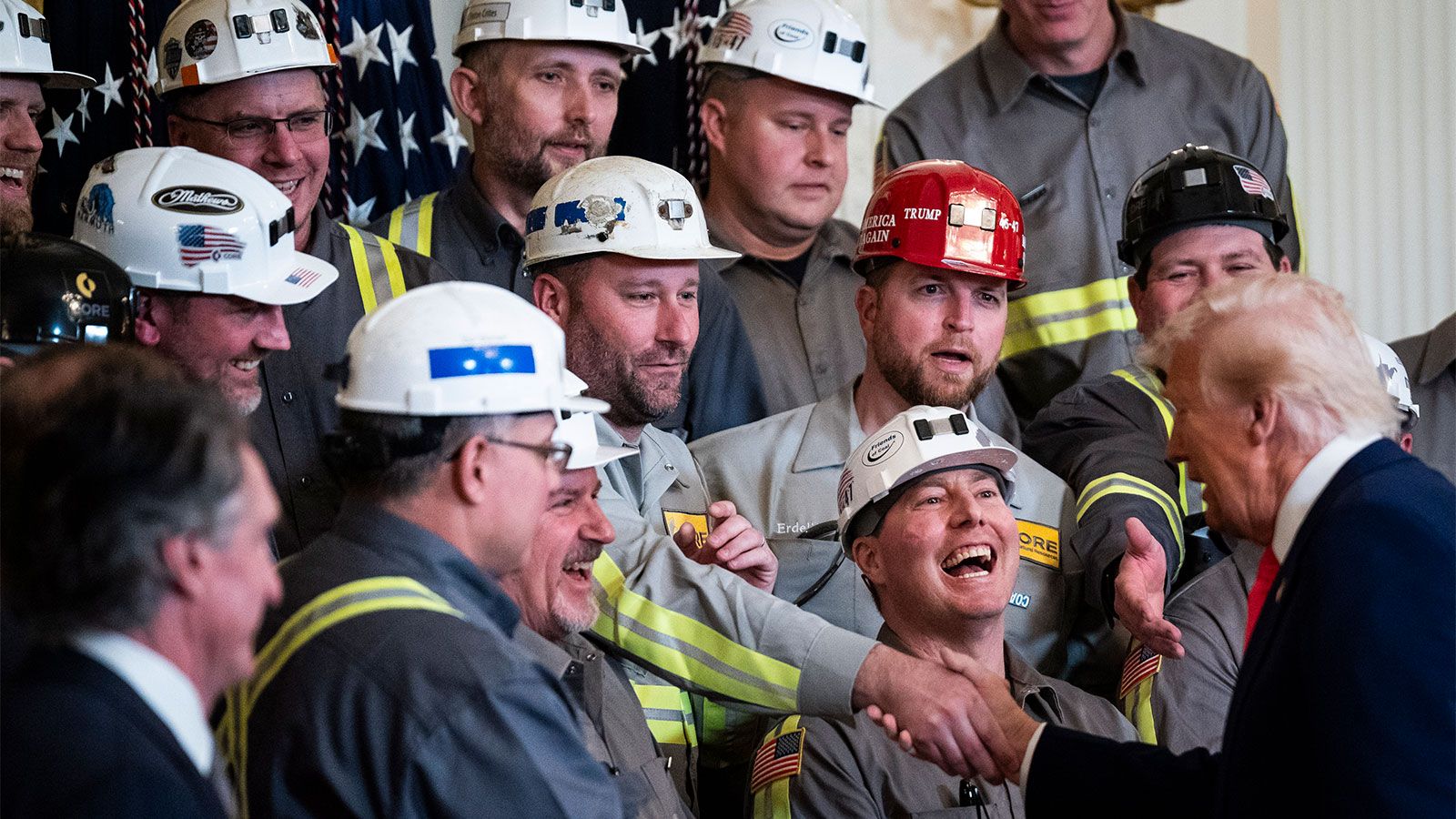
When Trump signed an executive order on Inauguration Day aimed at “unleashing energy dominance,” the phrase left experts scratching their heads. It soon became clear it had everything to do with maximizing the production of oil, gas, and coal in order to gain leverage over other countries. It certainly had nothing to do with dominating the market for renewable energy. Experts told Grist that the phrase seems to be more about vibes than specific policy goals. It taps into a nostalgia for what fossil fuels once promised — optimism, growth, and a certain ideal of masculine work. This kind of chest-beating reaction to industrial decline and climate change even has a name: “petro-masculinity.”
Green New Scam
A Trumpism that counters climate policy by rebranding the “Green New Deal” as a conspiracy.
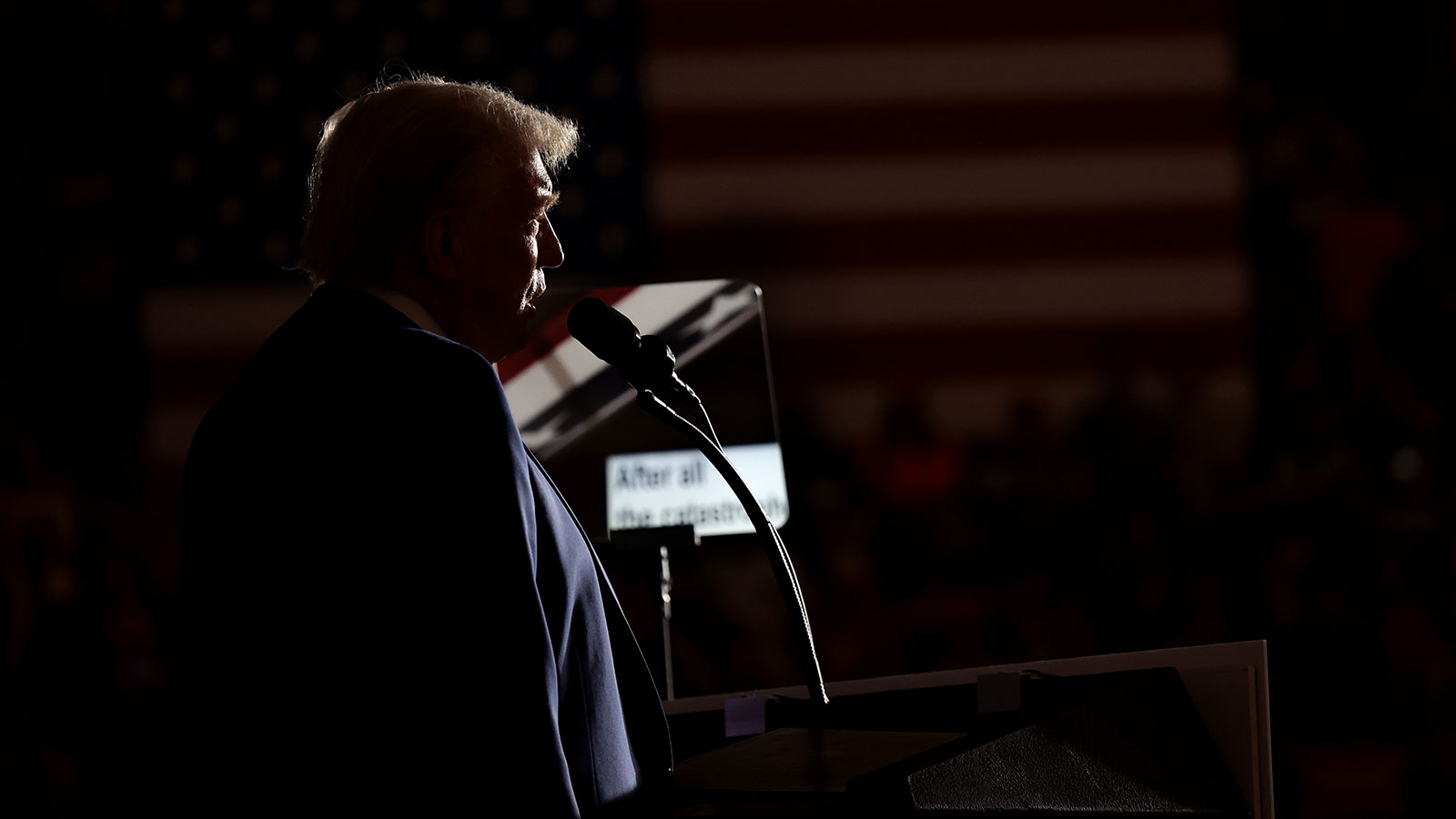
The Green New Scam has become the Trump administration’s defining line on efforts to take on climate change. Trump came up with the catchphrase during a rally in New Hampshire in 2023, while riffing on ways to attack Biden’s climate policies. When he landed on “Green New Scam,” the crowd roared with approval, and he sensed he was onto something — even though Congress had never actually passed a Green New Deal. Renee Hobbs, who wrote a book on modern propaganda, told Grist that Trump’s repetition of Green New Scam fits into a classic strategy: “You repeat the phrases that you want to stick, and you downplay, ignore, minimize, or censor the concepts that don’t meet your agenda.”

Rain anxiety
A growing sense of dread triggered by rainfall.
For many people, the sound of raindrops isn’t comforting at all, but terrifying. If you’ve survived a flood, it can bring up traumatic memories, leading to what’s called rain anxiety. “Anyone else getting mildly stressed when it rains a lot?” reads a typical Reddit post on the matter. Floods struck many parts of the U.S. this year — not only Texas, but also New Mexico, Illinois, North Carolina, New York, and Washington state. By mid-year, the National Weather Service had issued almost 4,000 flash-floods alerts, the most for that time period since 1986. About 20 to 30 percent of people who live through flooding develop depression or post-traumatic stress disorder in the months afterward, according to a report from the U.N.’s international panel of climate scientists. There’s a clear connection to climate change: A warmer atmosphere can hold more moisture, making the idiom “when it rains, it pours” more of a reality than ever before.
Swasticar
A new, derogatory name for Tesla vehicles, blending “swastika” with “car.”
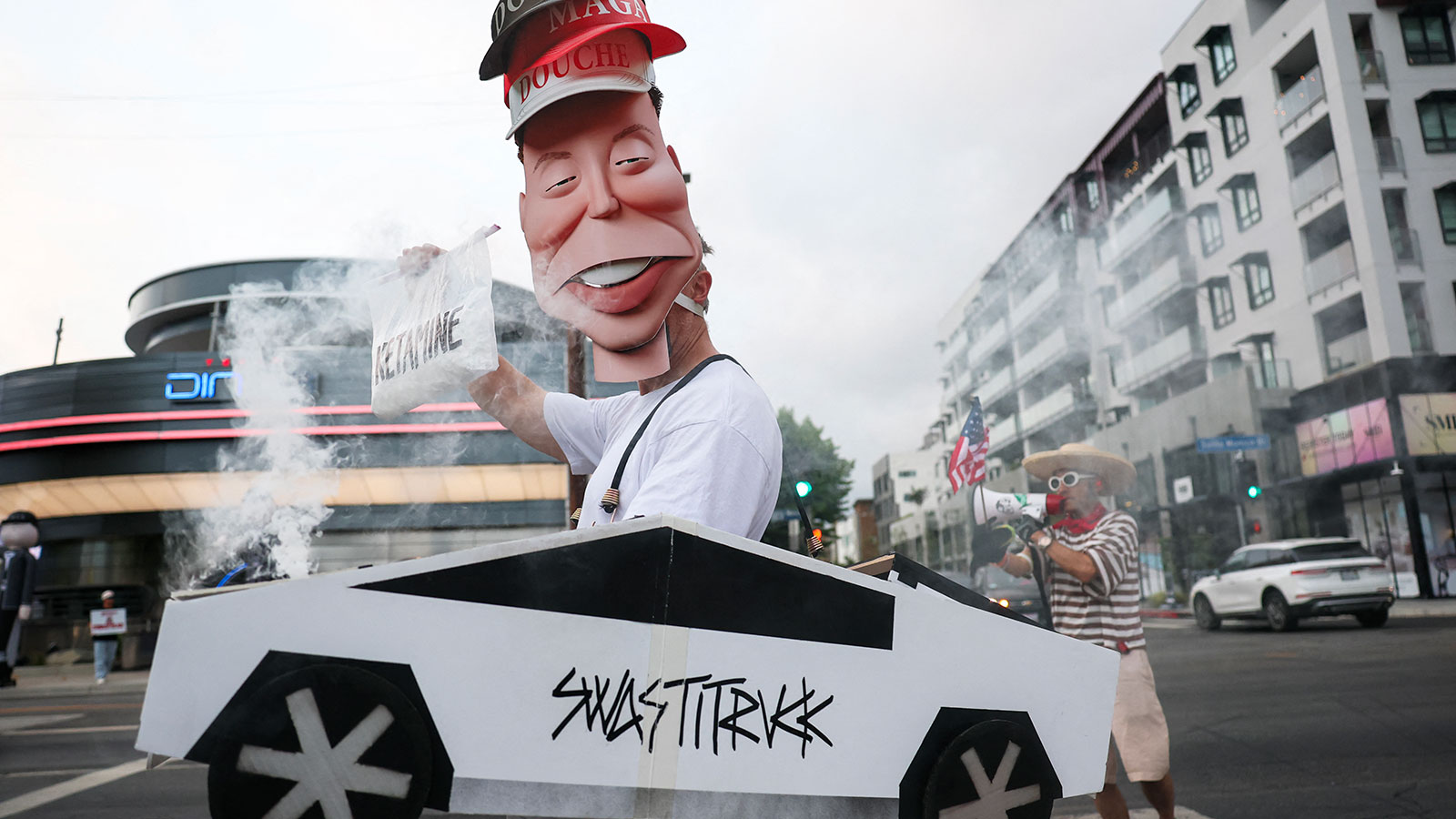
Tesla used to be the undisputed leader of the electric vehicle market, but that changed in 2025. After Elon Musk, the company’s CEO, gave two stiff-armed gestures at Trump’s inauguration in January, one question consumed the internet: Was that a Nazi salute? Activists soon started pressuring people to stop buying Teslas and sell their swasticars — a term that captured the company’s sudden transformation from a green status symbol into something associated with far-right extremism. It didn’t help the company’s reputation when Musk started axing jobs and funding across federal agencies as co-lead of Trump’s Department of Government Efficiency, aka DOGE. Tesla sales tumbled over the course of the year — in the United States and abroad — even as the company started rolling out cheaper models. Tesla also faced growing competition from the Chinese EV company BYD and the loss of U.S. electric vehicle tax credits at the end of September after Congress rolled them back.
Source link
Kate Yoder grist.org
