If you love to travel, you’re likely aware of sustainable ecotourism, which involves the responsible use of natural resources for recreation. While this is a good starting point, a practice like bioregionalism takes things a bit further. Travelers are relearning ancient skills from indigenous peoples to broaden their bioregional exploration and enhance their sustainability as tourists. Here’s how this mindset began and how it manifests in modern tourism.
Limits of Modern Sustainable Travel
Typical modern sustainable travel focuses on surface-level practices, such as cleaning up after yourself and being considerate of local people. However, you can dive deeper into the historical, ecological and cultural context of your destination. Travelers are encouraged to explore connections with the places they visit and have a positive impact during their stay. Since ecotourism is expected to grow 14.31% by 2032, this new methodology for travelers is all the more critical.

The Value of Indigenous Knowledge
Tourists can better understand the area they are visiting by learning skills and ideas from the local indigenous people of the region. They possess a vast comprehension of their native lands. Visitors must place a higher value on indigenous knowledge to truly practice sustainable travel beyond the surface level.
After all, indigenous people are responsible for practices spanning many years before scientists understood them. They understand the interconnectedness of nature without the tools of modern science, such as empirical evidence. Some skills they possess include using plants as medicine, practicing controlled burns for resource control, tracking animal migration patterns and valuing biological diversity. Travelers who gain this regional knowledge during their stay may understand and appreciate the local environment more.
Putting Bioregionalism Into Practice
Learning about the local environment leads to a better understanding of the concept of bioregionalism. Bioregionalism is the practice of learning about the area surrounding you, including how the animals relate to each other and which plants thrive in different places. This knowledge is how indigenous peoples learned to live in harmony with their surroundings.
These standard practices of bioregionalism should help you as a tourist.
Observe the Land
First, you must learn how to observe the land you’re visiting and develop ecological literacy. Examine the interconnectedness of plants, animals, water sources and the climate. Study how everything works to appreciate the beauty of nature. The goal is to move beyond the rigid GPS view of the world and step into an appreciative mindset, promoting a deeper understanding of nature.
Minimize Your Footprint
To protect the regions you visit, start by minimizing your impact. Choose accommodations that use green cleaning practices and avoid single-use plastics by carrying a reusable water bottle. Properly disposing of all waste is also crucial, especially in delicate ecosystems. Ice fishers can use special toilets that securely seal waste to avoid contaminating the environment. Adopting these habits will help you travel more mindfully and preserve the environment for years to come.
Reframe Your Idea of Waste
Waste is much more than just the things you throw away. Modern travel often promotes a disposable culture. Indigenous people have a principle of only taking what they need from the land and continuously reusing resources until their entire life cycle comes to an end. The concept is similar to recycling, but it applies to bioregionalism, as well.
During your travels, avoid discarding items you can repurpose for something else. Find ways to utilize them until they deteriorate, instead of tossing them in the trash. Practicing sustainable travel means minimizing waste as much as possible.
Give Back to the Region
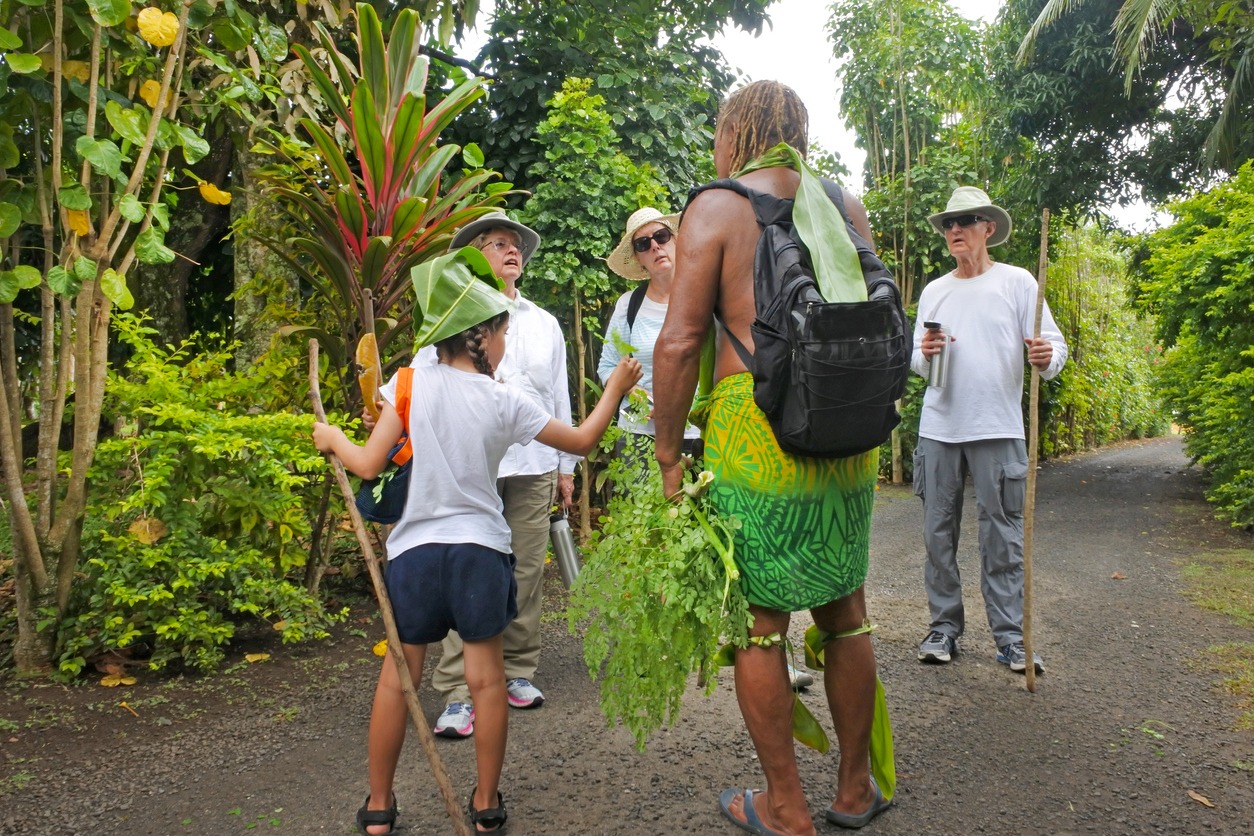
Once you value the beauty of nature’s inner workings, you must shed the extractive travel mindset and work toward a regenerative one. Instead of exploiting the area, give back to it. Indigenous people have a positive impact on the land, benefiting both the local ecosystem and the community. One way you can do this is by going on tours led by indigenous people and learning about their native customs and cultural experiences respectfully.
Bioregionalism in Action
Natural boundaries like mountains, rivers and other landmarks separate a bioregion. Cascadia is the bioregion in the Pacific Northwest. People here create sustainable local economies that promote thinking bioregionally or locally. Cascadian bioregionalism deals with the connected ecological, environmental, economic and cultural ties in this area.
Residents adopt the mindset of indigenous peoples, focusing on replenishing the Earth after the challenges of climate change. They open schools dedicated to providing regional education that fosters a connection with the land. Essentially, everyone works together to create a sustainable bioregion. These areas often rely on tourism, so contributing to these efforts during your visit is a good step.
Become an Active Participant
Travelers must adopt the indigenous peoples’ mindset of conscious exploration everywhere they go. In terms of Western culture, you must decolonize your approach to the outdoors and focus on being a steward of the land. This mindset is a prerequisite for ethical bioregional travel.
To consciously explore and contribute to your travel destination, practice sustainability by becoming a humble, active participant in the local ecosystem. Approach your next journey as an explorer rather than a tourist to get the most value out of your vacation while respecting the knowledge of indigenous people.
Source link
Jane Marsh biofriendlyplanet.com