
In-brief analysis
February 5, 2026
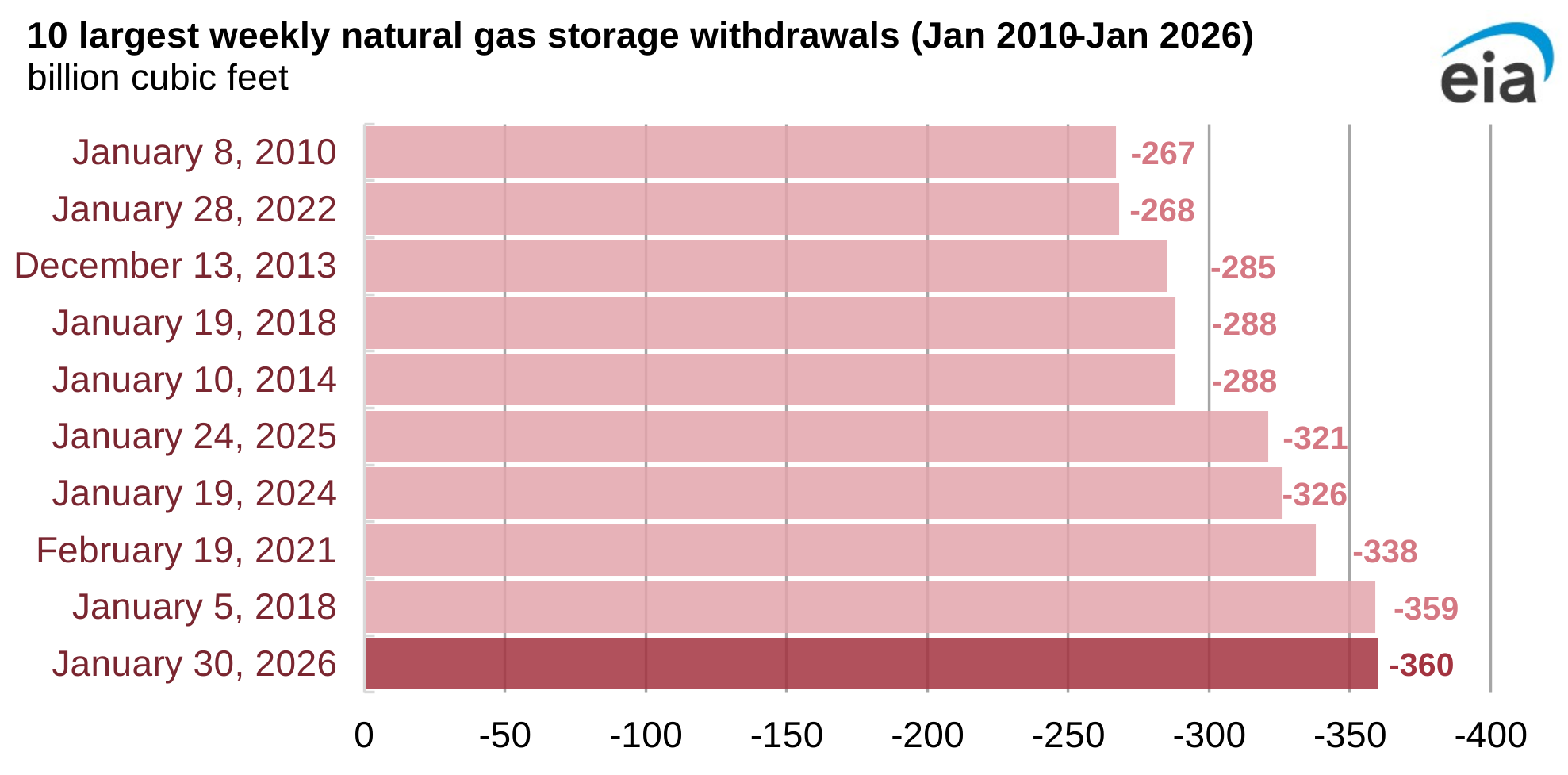
Working natural gas stocks fell 360 billion cubic feet (Bcf) in the Lower 48 states for the week ending January 30, 2026, amid Winter Storm Fern—the largest weekly net withdrawal reported in the history of the Weekly Natural Gas Storage Report. The withdrawal exceeded the five-year average for the same week by 89% (170 Bcf). The large withdrawals resulted from increased heating demand for natural gas and natural gas production curtailments because of severe winter weather. Working gas stocks are now 1.1% below the five-year average for this time of year.
Several factors contributed to the large withdrawals:
- Winter Storm Fern: A massive winter storm brought extreme cold, heavy snow, and ice across a large portion of the Lower 48 states from New Mexico to New England, according to the National Oceanic and Atmospheric Administration.
- Increased heating demand: The extreme cold increased demand for space heating, leading to increased natural gas consumption in the residential and commercial sectors, and increased demand for natural gas for electricity generation. Natural gas consumption in residential and commercial sectors January 23–26 averaged 29% higher, or 13.9 billion cubic feet per day (Bcf/d), more than the five-year average for those days, according to Bloomberg L.P.
- Reduced natural gas supply: The frigid temperatures resulted in decreased natural gas supply as the extreme cold reduced natural gas production because of equipment freeze-offs and shut-ins. Temperatures along the U.S. Gulf Coast averaged below freezing on January 25, contributing to the largest shut-in reported during the week.
The increased demand and decreased supply of natural gas contributed to rising prices at many locations. The U.S. benchmark natural gas spot price at the Henry Hub rose to $9.03 per million British thermal units (MMBtu) on January 28, exceeding the week-earlier price by $4.05/MMBtu and the year-earlier price by $5.60/MMBtu. Natural gas storage withdrawals can supplement other sources of supply during periods of higher prices.
Principal contributor: Jose Villar
Source link
www.eia.gov

