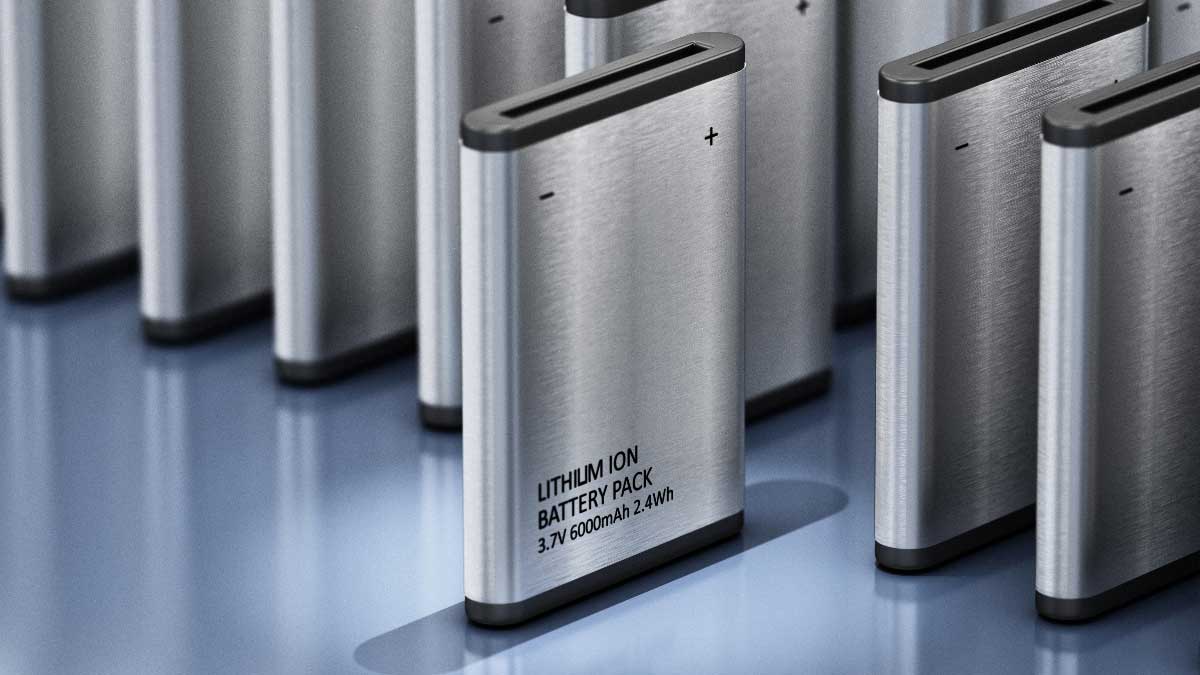
Lithium-ion batteries are the driving force behind products that have redefined life over the past two decades, from smartphones to laptops to electric vehicles. However, when they fail, lithium-ion batteries can cause fires that produce toxic fumes.
A bulging battery is a clear sign of a malfunction that requires immediate attention. Still, you can recycle it if you handle it safely.
Why Recycling Matters More Than Ever
Proper battery disposal is more important than ever. A 2024 report from the National Waste & Recycling Association (NWRA) and Resource Recycling Systems (RRS) found that over 5,000 fires happen each year at recycling centers, often because lithium-ion batteries were thrown away incorrectly.
The situation is getting worse. Fire Rover, a company that makes fire detection systems for recyclers, reported a 20% increase in fires at recycling centers and transfer stations in 2024 compared to the year before. This is the highest number since they started tracking in 2015. Overall, fires at waste and recycling facilities in the U.S. and Canada went up by 15%, from 373 in 2023 to 430 in 2024.
Meanwhile, demand for lithium-ion batteries continues to surge. The global lithium-ion battery recycling market was valued at approximately $10.26 billion in 2024 and is expected to reach around $98.42 billion by 2034, with more than 80% of processing capacity located in China.
Recycling lithium-ion batteries means we don’t have to take as much lithium from the environment. The amount of battery material ready for recycling worldwide is expected to reach 1.4 million tons by 2030, up from 200,000 tons in 2020. By 2040, more than seven million tons could be available.
Spotting a Problem Battery
It’s usually easy to spot when a battery isn’t working right:
Physical changes: If the battery swells up, it can change the shape of your device. For example, an iPhone might pop open if the battery inside doubles in thickness. If your laptop’s touchpad looks uneven or the keys seem raised, the battery could be pushing against the metal.
Heat problems: If your device gets very hot while you’re using it, or even when it’s just sitting there, the battery could be failing. If your phone or laptop feels hot when it’s not charging or running heavy apps, the battery might already be damaged.
Chemical signs: If you see chemicals leaking out, the battery pouch has burst. A strong chemical smell is also a warning you shouldn’t ignore.
Performance problems: If your battery charges strangely, drains quickly, won’t hold a charge, or causes your device to shut down unexpectedly, it could be defective.
When You Find a Bulging Battery
Your first priority is preventing a fire. Immediately unplug the device and turn it off. Do not attempt to charge a bulging battery. Open windows and doors to let out any harmful gases.
Cover any exposed battery terminals with non-conductive tape, like electrical or duct tape. This helps prevent sparks that could start a fire.
Clearly label the container to show it holds a damaged lithium battery. If your recycling center asks for more details, add the battery type too.
If the battery is leaking: Any leaked battery fluid is a critical issue requiring immediate attention. First, remove the battery or device from the house. Place it in a bucket partially filled with sand or kitty litter, or set it in a cool, dry location outside. Wear gloves and an apron and protect your eyes with goggles to avoid contact with the fluid. Do not use water to clean up spilled battery chemicals. Lithium mixed with water is corrosive. Thoroughly clean any spilled material with an absorbent pad. Send the lithium material and any cleaning materials to your local hazardous waste facility.
Never puncture a swollen battery: Do not attempt to “deflate” a swollen battery by puncturing it. The gas contained in swollen batteries is highly flammable and toxic. Puncturing can trigger thermal runaway, an uncontrolled chemical reaction that generates excessive heat that can lead to fire or an explosion.
If the battery bursts into flames: Use an ABC fire extinguisher to put it out. CO2 fire extinguishers or water will not be as effective.
Move the battery to a safer location: Place the device and battery in a colder location. Lithium is most stable between 40 and 80 degrees Fahrenheit, so do not place it in direct sunlight when moving it outside. Avoid cooling or freezing the battery, as temperature changes when rewarmed can cause a reaction.
If you can do it safely, take the battery out of the device: Put it in a fireproof container, like a metal bucket, away from anything that can catch fire. Only do this if you feel sure it’s safe. Never use tools that could puncture the battery.
What NOT to Do
Do not place damaged batteries in regular trash or recycling bins: They can cause fires in your garbage can, the garbage truck, or at any step in the waste sorting process. According to a 2025 UL Standards & Engagement survey, more than one-third of consumers (36%) report throwing old lithium-ion batteries in the trash, and another 30% put them in curbside recycling—both unsafe practices.
Do not mail damaged batteries through standard services: The U.S. Postal Service has designated lithium batteries as hazardous waste that cannot be air-shipped, and any package containing them needs to be marked “HAZMAT.” Damaged batteries require specialized packaging and shipping under a DOT special permit—standard Call2Recycle boxes and regular retail drop-offs are not designed for DDR batteries.
Do not leave damaged batteries in hot vehicles: Heat accelerates the chemical reactions that lead to thermal runaway. If transporting a damaged battery, ensure it is secured so it cannot fall, puncture, or be crushed by other items. Keep the vehicle well-ventilated.
Do not put damaged batteries in water: While some guidance suggests water can help extinguish a battery fire, submerging a damaged battery can trigger additional chemical reactions. Sand, vermiculite, or kitty litter are safer for storage and fire suppression.
Storing the Bulging Battery Before Recycling
A battery that has been discharged is less likely to catch fire or explode. Still, it’s important to store it safely until you can dispose of it properly.
Get rid of damaged batteries as soon as you can. The longer they stay around, the higher the risk. Most hazardous waste programs say not to keep damaged batteries for more than 90 days.
Recycling Options: Finding the Right Path for Your Situation
Standard battery drop-off programs at retailers like Home Depot, Lowe’s, Best Buy, and Staples that accept rechargeable batteries through Call2Recycle generally do not accept damaged, defective, or recalled (DDR) batteries. Damaged lithium-ion batteries require special handling under U.S. Department of Transportation regulations.
Local Hazardous Waste Facilities
Your local hazardous waste facility is often the most accessible option for damaged batteries. Add your ZIP code in Earth911’s Recycling Locator to find a facility near you. Before visiting, call ahead to learn about their specific guidelines for bulging batteries—procedures vary by location.
When you arrive, point out the risk to workers and explain that the battery is damaged. Many facilities have trained personnel and specialized equipment for handling these materials safely.
Call2Recycle Mail-In DDR Kits
Call2Recycle offers specialized recycling kits specifically designed for damaged, defective, and recalled lithium batteries. The kits are designed to handle lithium-ion or lithium-metal batteries with a combined weight of up to 4.4 lbs (2 kg), or a single cell or battery weighing up to 11 lbs (5 kg). Contact Call2Recycle’s customer service at 877-723-1297 for guidance and to discuss your specific situation.
These kits cost more than regular recycling options because they come with UN-approved containers, cushioning, anti-static bags, and transportation labels that meet DOT rules.
Cirba Solutions DDR Kits For Businesses
Cirba Solutions offers WeRecycle Damaged Battery Kits designed for DOT-compliant handling, packaging, and transportation of many DDR lithium batteries. These kits include UN-approved containers, cushioning material, anti-static bags, and all necessary transportation labels. Kits are available for up to 200 lbs or 400 lbs of damaged batteries and packaging material.
If you only have one damaged battery at home, this kit might be more than you need. But for businesses with lots of devices or after a recall, it’s a thorough solution. Contact Cirba Solutions at 800-852-8127 or customerservice@cirbasolutions.com for prices and pickup details.
Batteries Plus Bulbs Locations
Some Batteries Plus Bulbs stores take damaged batteries, but not all do, and there may be a fee. Call your local store first to ask about their policies and prices before you go.
Manufacturer Take-Back Programs
Check the battery or device manufacturer’s website to see if the product has been recalled. Manufacturers sometimes offer prepaid shipping for recalled products and may provide replacement devices. The Consumer Product Safety Commission maintains a list of recalled battery products.
If your device is still under warranty, reach out to the manufacturer’s customer service. Companies like Apple, Samsung, and Dell usually have special steps for dealing with swollen batteries.
E-Bikes and E-Scooters
Large lithium batteries from e-bikes and e-scooters pose additional challenges due to their size and power. Do not place these batteries in curbside recycling or trash. Contact your local hazardous waste program or a specialized battery recycler. Some e-bike retailers offer take-back programs.
Vapes and E-Cigarettes
Disposable vapes are making up an increasing share of our battery waste. The EPA considers e-cigarettes hazardous waste because they contain lithium batteries and nicotine.
For rechargeable vapes with removable batteries, tape the battery terminals and bring them to a battery recycling location or hazardous waste event. Disposable sealed-unit vapes are more challenging because the nicotine pod cannot be separated. Many battery and electronics recyclers are not authorized to accept the nicotine component, and hazardous waste vendors often avoid sealed units.
In Canada, a new program called “Recycle Your Vapes” launched in Quebec in January 2025, spearheaded by Call2Recycle, offering collection points at participating vape shops and municipal eco-centres.
Devices with Non-Removable Batteries
Many modern smartphones, tablets, and laptops have batteries that are not intended to be removed by consumers. If the device shows signs of a damaged battery, do not attempt to take it apart. Contact the manufacturer for warranty service or recall information. If the device is at the end of its useful life, bring it to an electronics recycling facility that can safely handle the complete device.
Power Tools
Power tool batteries are usually larger and more powerful than those in phones or laptops. If a power tool battery is swollen, follow the same protocols: remove it from the charger, do not use it, store it safely, and contact a DDR battery recycling service or your local hazardous waste facility.
Regulatory Developments to Watch
The EPA is working on a proposed rule to establish a new universal waste category specifically tailored to lithium batteries, separate from the existing general battery universal waste category. The new standards would improve safety, reduce fires from mismanaged end-of-life lithium batteries, and promote battery recycling while aligning with industry best practices.
The EPA expects to issue a proposed rule in February 2026, with a final rule targeted for August 2027. Implementation timelines may vary, and states must adopt the new rules for them to take effect in authorized states.
Finishing the Job: Transporting to a Recycling Facility
Before you transport the battery in a vehicle:
- Secure the battery so it cannot roll, fall, or shift
- Ensure nothing can puncture or crush it
- Keep it away from other batteries and metal objects
- Maintain ventilation in the vehicle
- Do not leave the battery unattended in a hot car
Batteries play a bigger role in daily life, and some are bound to fail. Being prepared to recognize a malfunctioning battery, knowing how to handle it safely, and taking steps to recycle it responsibly protects your family, recycling workers, and the environment while contributing to a more sustainable society.
Editor’s Note: Originally published on November 14, 2023, this article was extensively updated in December 2025.
Have a question about recycling a specific product or material? Let us know, and we’ll do the research and share the results with the world. You can help support our work, too!
Source link
Earth911 earth911.com