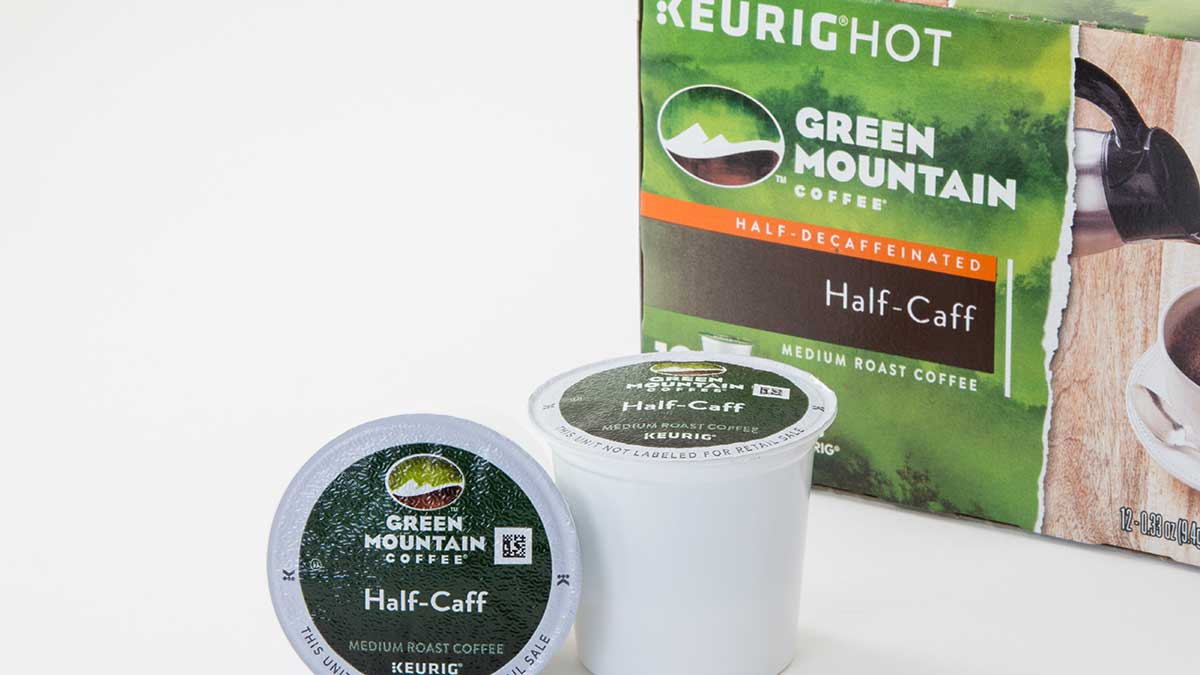
Single-serve coffee makers are undeniably convenient. Java drinkers can brew exactly one cup to their personal taste while housemates, office mates, or guests make coffee, tea, or hot chocolate to their own preferences. No more arguments over how dark or light to brew the communal pot. The major downside? The plastic pod is left behind after each cup. With an estimated 576,000 metric tons of coffee capsule waste generated each year, single-use coffee pods present a significant environmental challenge.
The good news is that options for responsibly managing your coffee pod waste have expanded significantly. Here’s what you need to know about recycling K-Cups and choosing more sustainable alternatives.
If you use a Nespresso machine, see our companion article on recycling Nespresso coffee capsules for specific guidance on aluminum capsule recycling.
This article contains affiliate links. If you purchase an item through one of these links, we receive a small commission that helps fund our Recycling Directory.
The Reality of K-Cup Recyclability
Since 2020, all Keurig K-Cup pods have been made from polypropylene (#5 plastic), a material that is technically recyclable. However, “recyclable” and “actually recycled” are two very different things. Separating the contents of a pod from the metal, as well as identifying the pods at a sorting facility, are not practical in most communities.
In September 2024, the Securities and Exchange Commission charged Keurig Dr Pepper with making misleading statements about K-Cup recyclability, resulting in a $1.5 million penalty. The company had claimed pods could be “effectively recycled,” while two of the largest commercial recyclers had told Keurig that recycling the pods was not commercially feasible at their facilities.
The challenges are significant. With over 20,000 different recycling systems operating across the United States, there are no uniform standards for what materials facilities accept. The small size of coffee pods can jam sorting machinery at material recovery facilities (MRFs), and many facilities simply don’t accept items smaller than a single-serving yogurt cup. Even when polypropylene is accepted, coffee pods specifically may be rejected.
Can You Recycle K-Cups Curbside?
The answer depends entirely on your local recycling program. Before assuming your curbside service accepts K-Cups, contact your waste hauler or municipality directly and ask these specific questions:
- “Do you accept #5 polypropylene containers under 2 inches in diameter?”
- “Are Keurig K-Cups specifically excluded from your program?”
- “Must I remove lids and empty contents before recycling?”
If your recycler confirms they accept K-Cups, you’ll need to properly prepare each pod. Let the pod cool after brewing, then peel off the foil lid completely, empty the coffee grounds (ideally into your compost), and place only the empty plastic cup in your recycling bin. The paper filter can remain inside the cup.
Tools like the Recycle-A-Cup cutter can make separating components easier. If your local service accepts both #5 plastic and aluminum, you can recycle both the cup and the foil lid separately.
K-Cycle: Keurig’s Mail-In Recycling Program
In late 2024, Keurig launched K-Cycle At Home, a mail-back recycling program for consumers whose communities don’t accept K-Cups in curbside recycling. The program offers mail-in recycling bags for a fee; each bag holds approximately 96 pods. After brewing, peel off the lid and dispose of the grounds, which are an excellent garden supplement, then stack the empty cups in the bag. When full, drop the sealed bag in the mail using the included prepaid label.
K-Cycle At Home bags are available at Keurig.com for approximately $9.99 per bag (around 10 cents per pod), with subscription options available at a discount. A third-party partner processes the pods, recycling the plastic components and composting the coffee grounds and bag materials.
For commercial operations like offices, universities, and healthcare facilities, Keurig offers the K-Cycle commercial program (formerly known as “Grounds to Grow On”), which provides recycling bins with prepaid UPS shipping labels. Since the program’s inception in 2011, nearly 6 million pounds of pods have been diverted from landfills. The commercial program, which does not require separating the grounds before mailing, works with G2 Revolution to process the used pods; 75% of each pod’s weight is composted, and 25% recycled into products like shipping pallets.
TerraCycle Recycling Programs
TerraCycle offers several options for recycling coffee pods. Some brands sponsor free recycling programs: Don Francisco’s Coffee, Café La Llave, and José’s Gourmet Coffee pods can be mailed back at no cost through TerraCycle’s brand-specific program. Kraft Heinz also sponsors free recycling for Maxwell House compostable pods and Tassimo discs in Canada.
For pods from other brands, TerraCycle offers paid Zero Waste Boxes. The Coffee Capsule Zero Waste Box accepts coffee capsules, pods, and discs from any brand. Pods don’t need to be emptied or cleaned before shipping. While these paid programs represent an additional cost, they guarantee your pods will be recycled rather than landfilled.
Compostable Coffee Pods
Compostable coffee pods seem like an ideal solution, but there’s an important caveat: most require processing at industrial composting facilities and will not break down in backyard compost bins. Industrial composting environments maintain temperatures above 140°F for extended periods, conditions that home compost piles don’t achieve.
Before purchasing compostable pods, contact your municipal composting program and ask specifically: “Do you accept BPI-certified compostable coffee pods?” Most U.S. commercial composters do not accept compostable packaging, so these pods may end up in landfills anyway—where they won’t decompose as intended. Never put compostable pods in your recycling bin, as they can contaminate the recycling stream.
Several brands offer Keurig-compatible compostable pods for those with access to industrial composting:
Aluminum K-Cup Alternatives
Keurig-compatible aluminum pods, launched in September 2024 by Cambio Roasters, are the first aluminum pods designed for Keurig brewers. Founded by former Keurig Chief Innovation Officer Kevin Hartley, Cambio pods are made from 30% recycled aluminum and feature a pull-tab lid for easy separation of the grounds before recycling.
Aluminum offers significant advantages over plastic; it’s infinitely recyclable, blocks light and oxygen better than plastic to keep coffee fresher, and has higher recovery rates in recycling systems. While aluminum pods can still face challenges at MRFs due to their small size, the aluminum recycling infrastructure is generally more robust than that for polypropylene. Cambio pods are available at retailers, including Walmart, and directly from their website.
However, recycling experts caution that even aluminum pods face challenges. The small size can still cause sorting issues at MRFs, and consumers must properly prepare pods by removing lids and emptying grounds. The company has partnered with 4Ocean to help remove plastics from oceans and donates 20% of profits to coffee-farming families.
Reusable Coffee Pods: The Most Sustainable Choice
The most environmentally friendly option for single-serve coffee enthusiasts is a reusable pod. The Keurig My K-Cup Universal Reusable Filter works with all Keurig machines and lets coffee lovers use their own ground coffee. Simply fill the filter, brew, then empty the grounds into your compost and rinse for the next use.
Other popular reusable options include Perfect Pod and JavaJig, both compatible with various Keurig models. A measuring scoop helps ensure consistent results. Using reusable pods can also save money compared to single-use pods; some estimates suggest K-Cup coffee costs two to five times more than ground coffee.
Coming Soon: Keurig’s Plastic-Free K-Rounds
Keurig is developing K-Rounds, a reimagined coffee format that eliminates plastic and aluminum entirely. K-Rounds are pressed coffee pucks wrapped in a plant-based coating made primarily from alginate derived from seaweed, and are expected to be certified compostable in both industrial and home settings. After brewing, K-Rounds maintain their shape and can be disposed of like regular coffee grounds in compost, garden beds, or even the trash, where they’ll break down naturally.
K-Rounds will require a new Keurig Alta brewer, which uses different pressure systems to extract espresso-style drinks, regular coffee, and cold brew. The Alta will also accept traditional K-Cups, easing the transition for existing customers. Beta testing began in fall 2024 at Keurig’s Burlington, Massachusetts facility, with a broader consumer launch expected in 2025.
Beyond Pods: Greener Coffee-Making Options
If you’re ready to move beyond single-serve pods entirely, consider these waste-free alternatives. A reusable pour-over filter is affordable, creates zero waste, and easily brews one cup at a time. A stainless steel French press uses built-in metal filters and is extremely durable.
Drip coffee makers can use either reusable metal filters or paper filters that are easily composted in backyard bins. Classic percolators last for generations, require no filters, and produce only compostable coffee grounds.
Interestingly, research from the University of Quebec found that, across the full coffee lifecycle, including water and coffee waste, pod coffee can have a lower carbon footprint than drip coffee, but only when users of traditional methods overfill their machines. The key insight: whatever method you choose, measure your coffee and water carefully to minimize waste.
Putting Coffee Pod Waste in Perspective
The problem of coffee pod waste is real and significant. An estimated 56 billion pods end up in landfills annually, and if lined up end to end, they would circle the Earth more than 10 times. Only 6-9% of plastics are recycled in the U.S., and even though K-Cups are technically recyclable, they don’t actually get recycled.
However, life cycle assessments have found that coffee production, from farming and processing to transportation, accounts for the largest share of coffee’s environmental footprint, regardless of brewing method. Packaging waste is a significant but not dominant factor. This doesn’t excuse disposable pods, but it does suggest that choosing sustainably sourced coffee matters as much as how you dispose of the packaging.
If you’re committed to single-serve convenience, here’s your action plan, ranked from most to least sustainable:
- Use reusable pods with your own ground coffee
- Choose aluminum pods (like Cambio) and recycle them properly
- Use compostable pods IF you have confirmed access to industrial composting
- Use standard K-Cups and participate in K-Cycle At Home mail-back recycling
- Use standard K-Cups IF your local recycler explicitly accepts them (properly separated)
Whatever you choose, always compost your coffee grounds—they’re excellent for gardens and shouldn’t end up in landfills. And if you’re ready for the next generation, keep an eye out for Keurig’s K-Rounds system, which may finally deliver truly disposable-without-guilt single-serve coffee.
Editor’s Note: Originally published September 15, 2021, this article was comprehensively revised in January 2026. Have a recycling question? Let us know, and we’ll research it. You can help support our work too!
Source link
Earth911 earth911.com