Silicone is now found in many homes, but recycling it can be tricky. It’s used in everything from food storage bags and baking mats to baby bottle nipples, kitchen tools, and medical devices. Its durability helps reduce single-use plastics, but when these items wear out, finding a way to recycle them isn’t always easy.
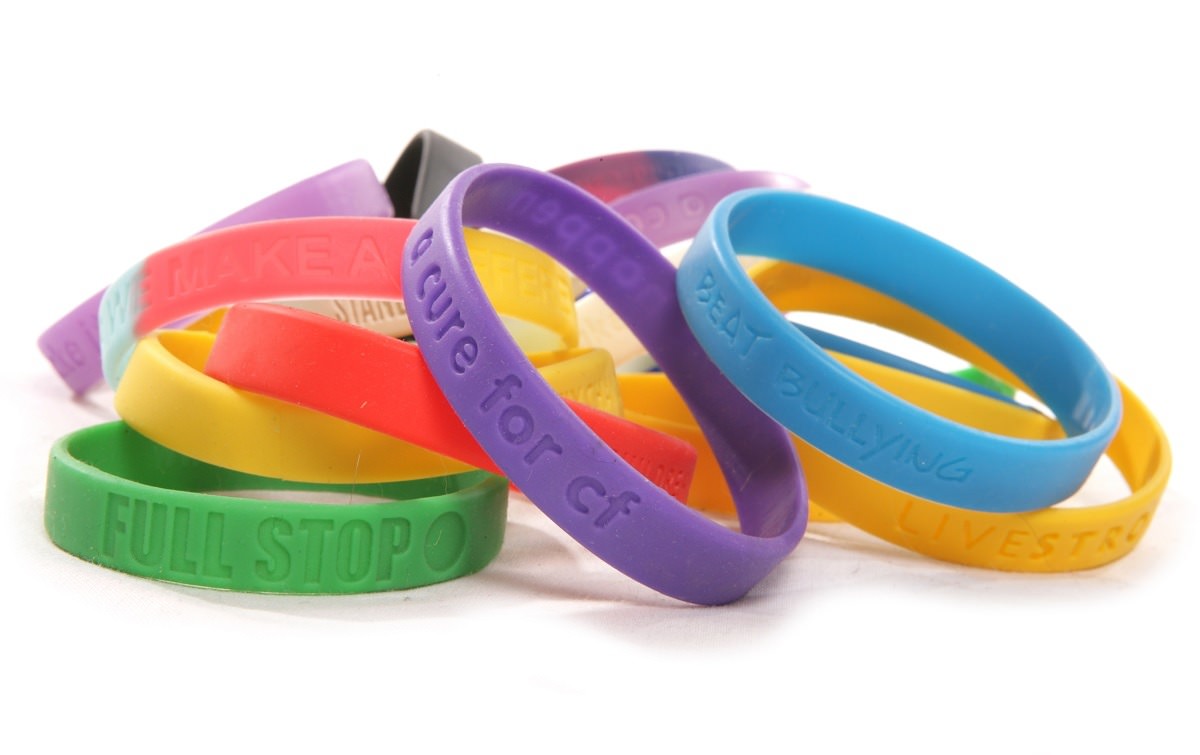
If you still have colored silicone wristbands from the charity bracelet craze of the 2000s, you’re in good company. Those gel bracelets that once signified support for causes ranging from cancer research to disaster relief are now often tucked away in drawers, waiting for a proper disposal solution.
However, there are now more ways to recycle silicone. Here’s how you can keep your old Livestrong bands and other silicone items out of the landfill.
What Makes Silicone Difficult to Recycle?
Silicone shares some traits with plastic, but it’s actually a type of rubber made in a different way. To make silicone, manufacturers extract silicon from quartz, then combine it with fossil-fuel hydrocarbons to form a strong polymer. This makes silicone almost indestructible, so it doesn’t break down or decompose. Even though silicone can be recycled, you can’t just put it in your regular recycling bin, even if your service accepts many types of plastic.
The global silicone market is now worth about $22 billion as of 2024, with around 3.6 million metric tons produced each year. As silicone products become more common, finding ways for consumers to recycle them is becoming more important.
Fortunately, more options for recycling silicone are now available to consumers.
Mail-In Recycling Programs
One of the simplest ways to recycle silicone is through mail-in programs. Several companies now accept silicone products for recycling:
GoSili (Any Food-Grade Silicone Brand)
GoSili offers a free recycling program that accepts silicone products from any brand. They take items like silicone cups, lids, straws, kitchen tools, and other food-grade silicone products. The main rule is that items must be 100% silicone, so you’ll need to remove any non-silicone parts before sending them in.
To participate, ship clean silicone items to:
Xpert Fulfillment
Attn: GoSili Recycling
2532 Benzie Hwy
Benzonia, MI 49616
After you ship your items, email your tracking number to service@gosili.com to get a discount code for your next GoSili purchase.
Please note: GoSili does not accept adult toys, medical devices that have touched biohazardous fluids, or items made with plastic, metal, or fabric parts.
Stasher Bags
Stasher works with TerraCycle to provide free recycling for its silicone storage bags. When your Stasher bag is worn out, you can send it in to be recycled into materials for playground surfaces and other products. This program only accepts Stasher brand bags.
Ziploc Endurables
You can recycle Ziploc’s Endurables silicone pouches and containers through TerraCycle’s free program. First, create a TerraCycle account, then gather your empty Endurables, request a shipping label, and mail them in. You’ll earn TerraCycle points, which you can donate to schools and nonprofits.
Pura Stainless
Pura accepts silicone parts from their own bottles and accessories. Just clean the silicone items and ship them to Pura by any shipping method. They work with ECO USA to recycle the material.
Simple Ecology
Simple Ecology recycles its own silicone products, like Silicopat baking mats and Capflex lids. If your Simple Ecology silicone item is damaged, contact them at info@simpleecology.com to set up recycling. This program is only for Simple Ecology products.
Silicone Recycling: An Industry On The Rise
It’s often hard to collect enough material to make recycling profitable. But as silicone use grows, the recycling industry is expanding too. In 2018, ECO USA opened the first large-scale silicone recycling plant in the U.S., located in Parkersburg, West Virginia. The plant processes over 8,000 metric tons of silicone each year, breaking it down into polydimethylsiloxane (PDMS), an oil used to make new products.
ECO USA’s process creates material with a carbon footprint that is 76-78% lower than new silicone. Most of their material comes from manufacturers’ post-industrial waste, but they also partner with brands like Pura to offer take-back programs for consumers.
In late 2024, Dow and Circusil LLC opened a commercial silicone recycling facility in Paris, Kentucky. Although this plant mainly handles industrial waste, it shows that more companies are investing in silicone recycling.
A study published in Science in April 2025 described a new recycling process that can turn almost any silicone polymer back into chlorosilanes, which are used to make new silicone. This process could allow silicone to be recycled over and over, with quality as good as new material. As these technologies move from the lab to real-world use, consumers may soon have more ways to recycle silicone.
What About Those Wristbands?
The height of the silicone bracelet trend was in 2004, when the Livestrong Foundation sold 21 million yellow wristbands in one year. After Lance Armstrong’s doping scandal in 2012, the charity had to figure out what to do with over 100,000 unwanted wristbands. They considered grinding them up to make playground surfaces, but the foundation never made its solution public.
If you want to get rid of old charity wristbands, GoSili’s take-back program is your best option right now. Remember, the wristbands must be made entirely of silicone, with no plastic inserts or metal parts.
Reuse Ideas
Since recycling options are still limited for some silicone products, finding creative ways to reuse them can help them last longer:
- Kitchen helper: Wrap a silicone wristband around a stubborn jar lid for a better grip
- Cable management: Use silicone bands to gather loose cords and cables
- Garden ties: Secure small trees to posts or bundle plant stems
- Temporary repairs: Use as gaskets or to seal minor leaks in hoses
If your silicone baking mats or kitchen tools are damaged, you can still use them as potholders or trivets, even if they’re not safe for food anymore.
Silicone recycling has improved a lot since these products first became common in homes. While you still can’t recycle silicone at the curb, more companies and specialty recyclers now offer ways to dispose of it responsibly. When buying new silicone products, look for brands that offer recycling programs at the end of the product’s life. This helps close the loop on this useful material.
Editor’s Note: First published in 2018, this article was most recently updated in January 2026.
Source link
Earth911 earth911.com