
Revolutionizing Sustainable Energy: Clean Technology Innovations for a Greener Future
Sustainable energy is the key to a greener and cleaner future. As we move towards a more sustainable future, clean technology innovations have become the focus of the energy sector. Clean technology is a range of innovative technologies that are designed to reduce the environmental impact of human activities, including energy production and consumption.
The transition towards sustainable energy is not new. However, the adoption of clean technology is accelerating, and many new technological advancements are being developed. In this article, we will explore some of the most promising clean technology innovations that are revolutionizing the sustainable energy sector.
1. Solar Power
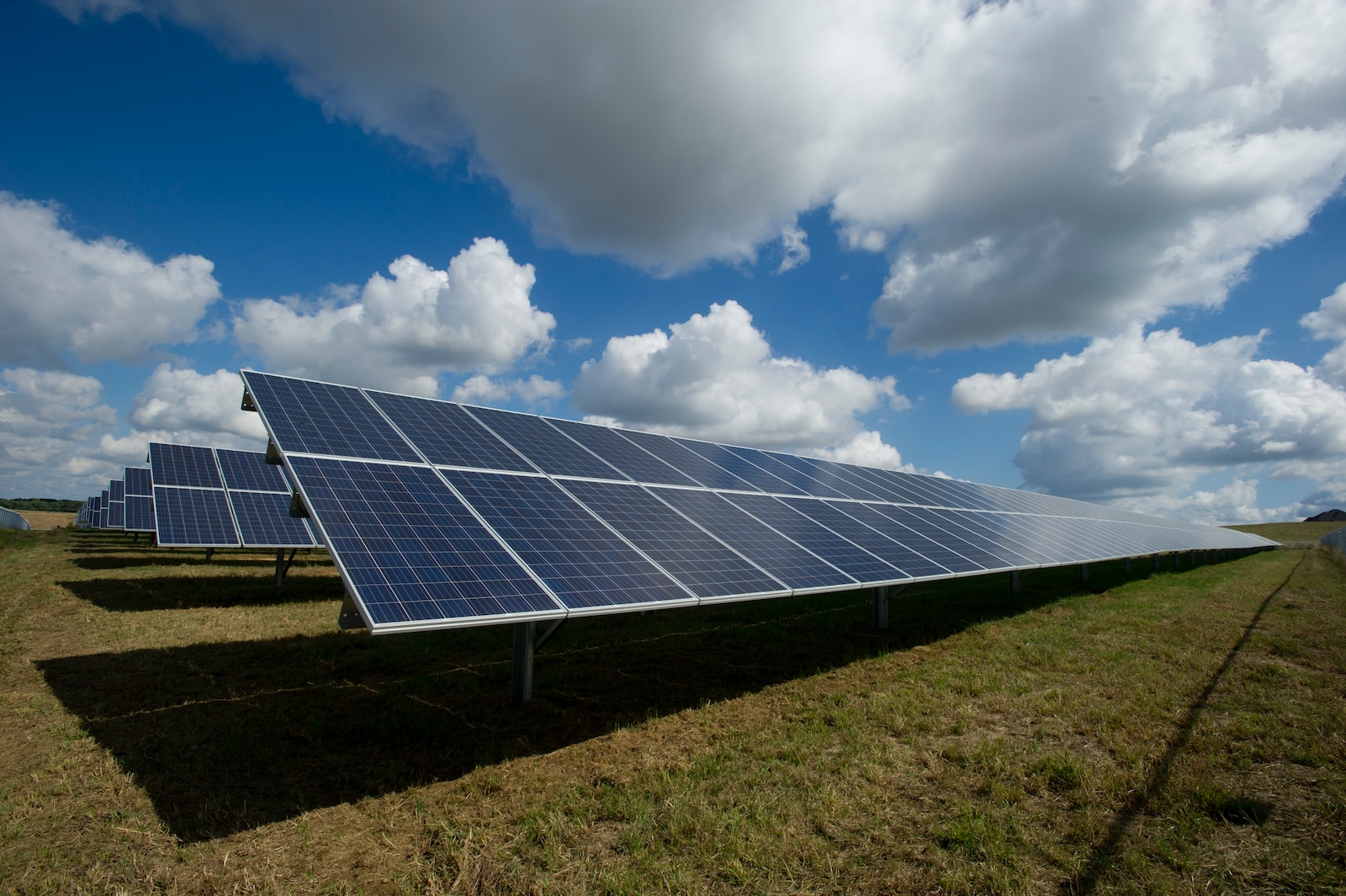
Solar power is one of the most widely adopted clean technologies. It is a renewable energy source that harnesses the power of the sun to generate electricity. Solar panels are becoming increasingly efficient, and the cost of production is decreasing. This makes solar power an attractive investment for both residential and commercial use.
In addition to traditional solar panels, new innovations in solar technology are emerging. Thin-film solar cells, for example, are flexible and lightweight, making them ideal for use in a variety of applications. Solar shingles are another innovation that integrates solar cells into roofing materials, making them a popular choice for new construction.
2. Wind Power
Wind power is another renewable energy source that is gaining popularity. Wind turbines generate electricity by harnessing the power of the wind. They are becoming more efficient and cost-effective, making them a competitive alternative to traditional fossil fuel-based power sources.
New innovations in wind power are focused on increasing efficiency and reducing costs. One promising innovation is the use of vertical axis wind turbines (VAWTs). Unlike traditional horizontal axis wind turbines, VAWTs can generate electricity from wind coming from any direction. This makes them ideal for use in urban areas, where wind direction can vary greatly.
3. Energy Storage
One of the biggest challenges facing the sustainable energy sector is energy storage. Renewable energy sources like solar and wind are intermittent, which means that they are only available when the sun is shining or the wind is blowing. Energy storage solutions are needed to store excess energy generated during peak hours for use during low-demand periods.
Battery storage systems are the most common energy storage solutions. Lithium-ion batteries are the most widely used, but new innovations are emerging. For example, flow batteries are a promising alternative that offer longer lifetimes and greater storage capacity.
4. Smart Grids
Smart grids are an innovative technology that integrates renewable energy sources and energy storage solutions into the existing power grid. They use advanced sensors and communication technologies to manage and optimize the flow of electricity.
Smart grids are designed to be more efficient and reliable than traditional power grids. They can detect and respond to changes in demand and supply, allowing for more efficient use of renewable energy sources.
5. Electric Vehicles
Electric vehicles (EVs) are becoming increasingly popular as a cleaner and more sustainable alternative to traditional gasoline-powered vehicles. EVs use electricity stored in batteries to power an electric motor, which produces zero emissions.
The adoption of EVs is being driven by advancements in battery technology, which are increasing range and reducing costs. Additionally, charging infrastructure is being developed to support the growing number of EVs on the road.
Conclusion
Clean technology innovations are revolutionizing the sustainable energy sector. From solar power to electric vehicles, these technologies offer a cleaner and more sustainable future. However, there is still work to be done to fully realize the potential of these technologies. Governments, businesses, and individuals must work together to invest in and promote the adoption of these technologies to build a greener future.
Q&A Section
Q: What is the biggest challenge facing the adoption of sustainable energy technologies?
A: One of the biggest challenges is the cost of production and adoption. While the cost of many sustainable energy technologies is decreasing, they are still more expensive than traditional fossil fuel-based technologies. Additionally, there is a lack of investment and government support for sustainable energy technologies, which can slow their adoption.
Q: What is the future of sustainable energy?
A: The future of sustainable energy is promising. As clean technology innovations continue to emerge, the cost of production and adoption will continue to decrease. This will make sustainable energy more accessible and attractive to businesses and individuals alike. Additionally, governments are beginning to recognize the importance of sustainable energy and are investing in its development and adoption.
