You may be hibernating as winter retains its grip — but your desire to grow fresh food doesn’t have to. Indoor hydroponic gardening offers a practical, low-impact way to keep producing herbs and vegetables even when snow piles up outside. With a bit of planning and setup, winter can become one of the most productive seasons for growing food at home.
Why Hydroponics Works so Well in Winter
Hydroponic gardening is not dependent on outdoor temperatures, weather patterns or daylight hours, so winter weather is not a problem. This system replaces soil with a nutrient-rich water solution, delivering exactly what plants need directly to their roots. Because of this, food grown hydroponically can be 1.5 times more nutritious than its soil-grown cousins.
From a sustainability perspective, hydroponics typically uses up to 90% less water than traditional gardening, because water is recirculated and mostly reused. It also eliminates the need for chemical herbicides or pesticides.
What Can You Grow Indoors?
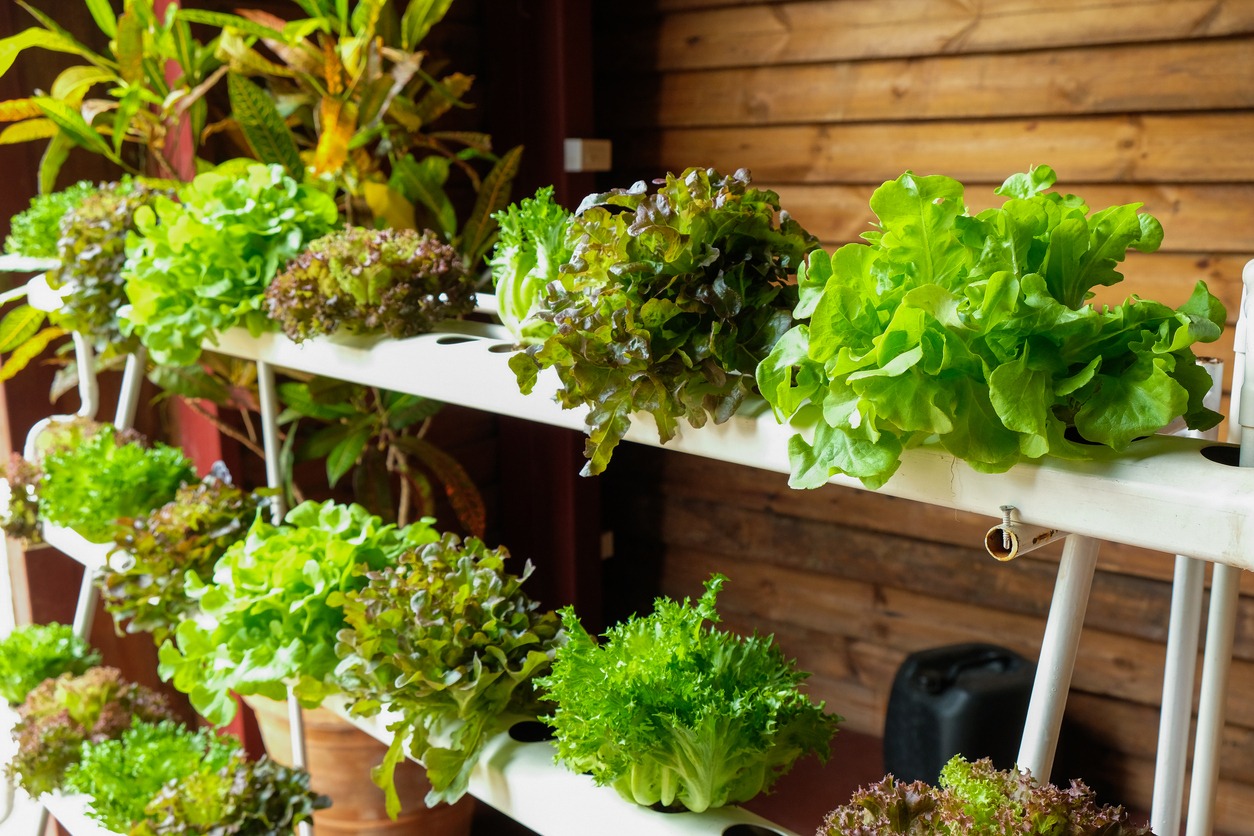
Winter hydroponic gardens are best suited to compact, fast-growing plants. Leafy greens, salad vegetables and herbs are particularly forgiving for beginners and provide excellent nutritional value. For example, spinach takes around six weeks to harvest, while parsley may take seven to 12 weeks and cherry tomatoes 11 weeks.
These crops offer many health benefits. For example, cucumber is 95% water, and leafy greens are high in water content, too — ideal for winter nutrition when indoor heating systems can cause dehydration. Starting with just two or three of these plant varieties allows you to learn the system without feeling overwhelmed.
Choosing the Right Space for Your Indoor Garden
The location matters more than you might expect. Look for a spot that stays relatively warm and is easy to access for regular checks. A spare room, an insulated garage, a kitchen corner or even a sturdy shelf in a living area can work well. If space is limited, think about a vertical setup with hanging pockets or wall-mounted tubs. What matters most is proximity to an electrical outlet and protection from cold drafts near windows or doors.
Setting up Your Hydroponic System
Hydroponic systems range from simple countertop kits to more involved DIY builds. For winter beginners, a small premade system can be the most energy-efficient and least wasteful option. Regardless of size, the basic setup follows the same principles:
- A reservoir to hold water and nutrients
- A method to support plant roots, such as net cups
- An air pump or circulation system
- LED grow lights on a timer
Assemble the system according to instructions, add water, mix in hydroponic nutrients at the recommended concentration, and place seedlings or seeds into the growing medium.
Light, Water and Nutrients
Because winter days are short, artificial lighting is essential. Energy-efficient LED grow lights provide the right spectrum for photosynthesis, while keeping electricity use modest. Most leafy greens need 12-16 hours of light per day.
Water quality also matters. Using filtered water can help prevent mineral buildup and improve plant health. Nutrients should be specifically designed for hydroponic use, ensuring plants receive balanced nitrogen, phosphorus, potassium and trace minerals.
Maintenance and Sustainable Habits
One advantage of indoor hydroponics is its predictability. A few simple habits will keep your garden productive all winter.
- Check water levels and nutrient strength weekly.
- Prune plants lightly to encourage steady growth.
- Clean system components between crop cycles.
Reusing water when possible, composting plant trimmings and choosing renewable energy for lighting can further reduce your setup’s environmental footprint. If you decide to compost indoors, you could even expand your winter harvest further by growing mushrooms in your compost bins, if you keep them moist.
Growing Through the Cold Season
An indoor hydroponic garden turns winter from a growing pause into a season of possibility. Beyond the harvest, it offers a hands-on reminder that sustainable food systems can start at home, even when the ground outside is frozen. With thoughtful choices and minimal investment, you can enjoy fresh, local produce all year long — no snow boots required.
Source link
Mia Barnes biofriendlyplanet.com