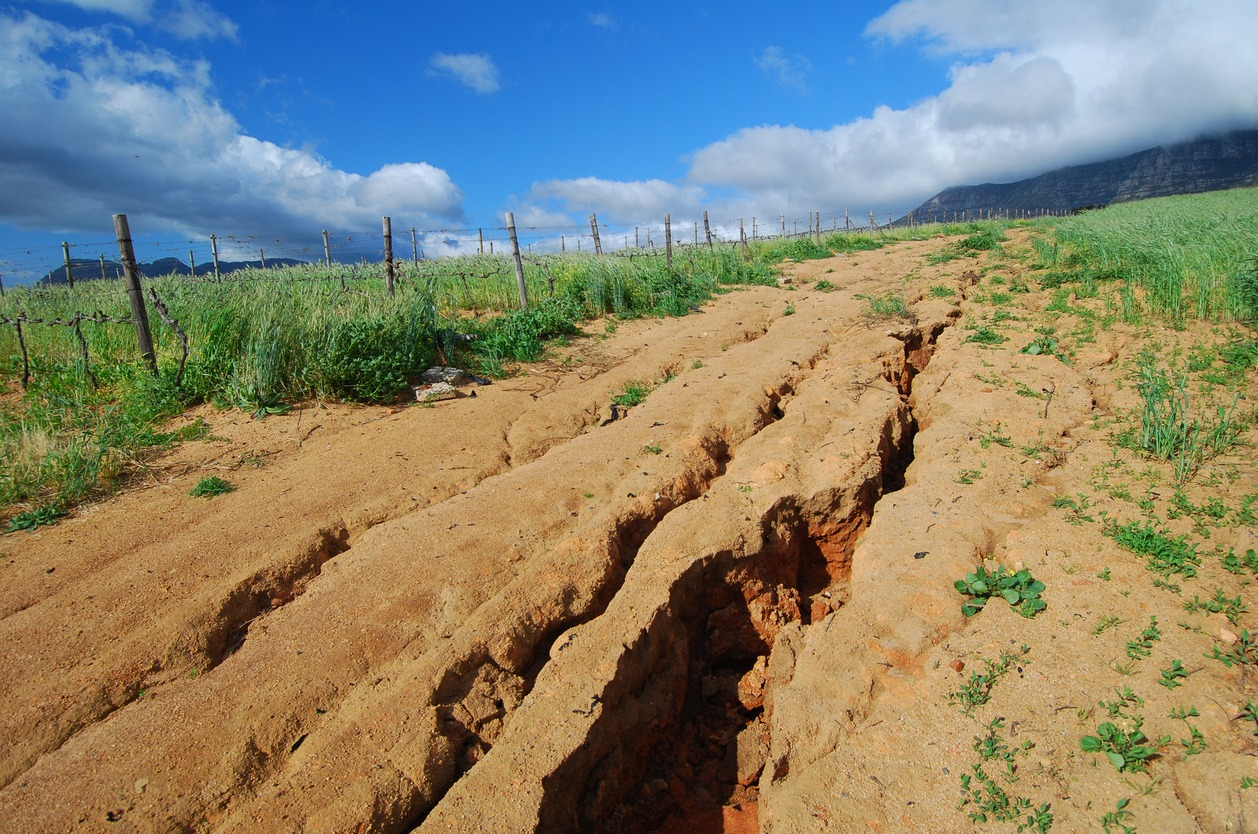
Agriculture has long battled soil erosion. Black trails of mud running down a slope and bare soil where crops once grew result in sediment water running into streams during rainstorms. As the climate changes and land continues to degrade, the two issues interact, amplifying each other’s effects.
The good news is the problem is not irreversible. Farmers, cooperatives and local conservation groups work hard to restore soil and vegetation to areas across the world. By rethinking how people manage land, activists are demonstrating it is possible to restore the soil and mitigate climate change.
Why Does the Soil Erosion Feedback Loop Matter?
Soil erosion may not be something you think about often, but the world’s soil dissipates every day. When soil deteriorates, you lose the fertile top layer, which contains essential nutrients needed for healthy plant growth. Decreased soil fertility negatively impacts crop yields, driving up food prices and endangering food supplies.
Soil deterioration has implications for more than just farmers, as it impacts nearly everyone. When farmers lose a millimeter of topsoil, they lose the land’s ability to store carbon, retain water and support crop growth. Drier fields tend to yield weaker crops and result in increased carbon emissions. Each issue feeds back into the process that caused it.
Warmer climates create stronger runoff and less stable soils. In addition to concerns about soil fertility, muddy water washes downstream and settles as sediment, which can eventually lead to flooding. Climate change increases erosion, which reduces land productivity and carbon storage. The negative loop cycles endlessly, exacerbating the problems over time. Fortunately, it’s possible to break the pattern and build land resilience.

The Causes of Soil Erosion in Warmer Weather
High emissions intensify climate effects through greenhouse warming, increased moisture and higher temperatures. Various conditions interconnect and drive the changes.
- Rising temperatures accelerate the feedback effect, with warmer weather leading to increased evaporation and subsequently resulting in more precipitation. The impact varies by regions, soil type, land use and rainfall patterns.
- When soil is bare due to harvesting after the growing season, deforestation, fire or drought, no anchoring mechanism is present, and the earth washes away easily. The result is weak root networks.
- Soil becomes more easily erodible when its organic matter is depleted due to warming and disturbance.
- Slopes appear steeper and unstable with repeated land use and cultivation. Without taking the appropriate precautions when clearing and tilling land, the problem worsens with each rainfall.
Understanding what causes worsening erosion and how it ties to the feedback loop also enables targeted solutions.
Working Together
Farmers and business professionals are solving soil erosion by collaborating through cooperatives or collective land-management bodies. Approximately 77% of farmer cooperatives in the United States are over 50 years old, offering a solid model for collaboration to achieve a positive outcome. By coordinating best practices and sharing resources, co-ops can drive change and create a positive impact.
Planting vegetation buffers runoff into waterways. Actions such as reforestation make a significant impact. Since each area is unique, the combination of efforts that work for one region may differ from those that work for another. Combining expertise and local experience is crucial to finding the perfect balance of actions to minimize climate and human impacts.
Steps to Slow Erosion and Strengthen Soil
Efforts to protect the land from further erosion can be inexpensive and straightforward. Small, continuous efforts lead to rebuilding the soil’s structure, protecting water quality and restoring natural biological systems and cycles.
Assess Your Land’s Risk
Look for areas of erosion after each rainstorm, such as exposed roots, rills or gullies. Another sign intervention is needed can be a sharp reduction in plant density. Mapping your slopes and water flow patterns is the first step to remedying the problem. Diverting water runoff or adding grassed waterways are small ways to help protect your soil surface.
Modern practices, such as using compost blankets, woodchips, straw mulch or biodegradable erosion control blankets, reduce the need for irrigation. The blankets can also control erosion and distribute rainfall evenly across the soil, preventing heavy water flow that strips away topsoil.
Maintain Vegetation Cover
Bare soil erodes rapidly. Maintain coverage with living plants during the off-season. Cover crops offer soil protection by building organic matter. Like a living, breathing mulch, it slows the impact of raindrops and retains soil moisture, preventing drought conditions. Remember, healthy soil resists erosion.
Manage Slopes
On sloped fields or yards, water can carry soil off-site. Farming along a contour can create gentle barriers to runoff going downhill. Areas with slopes benefit from planting crops or landscaping on terraces. Terraces are level steps built into a hill. Contour farming involves cutting furrows across a slope. These methods slow the flow of water. The technique retains nutrients and moisture for crops or native plants.
Restoring Soil Health Under Warmer Conditions
Soil erosion has always been a concern, but the increased issues stemming from climate change have brought it to the forefront of land development and agriculture. Implementing better land use and advocating for improved climate-responsive governance breaks the erosion-warming feedback loop. Stabilizing the soil to resist erosion secures fertile land and reduces climate issues for future generations. A few small changes today create sustainable land and protect the food supply, as well as local ecosystems.
Source link
Jane Marsh biofriendlyplanet.com