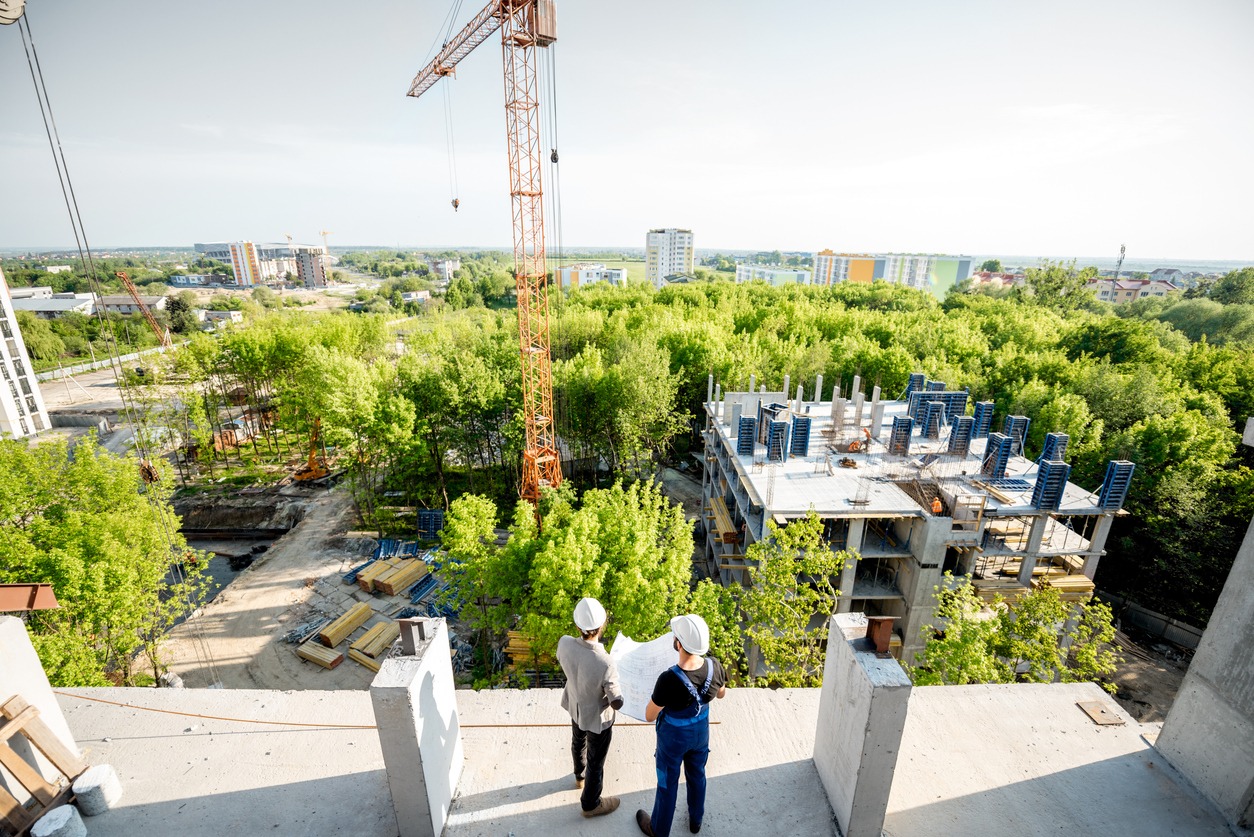
Development and habitat preservation can coexist when planning starts early and decisions stay intentional. Whether you’re building a home, adding an extension or overseeing a small commercial project, the way land gets prepared impacts nearby plants, animals and natural resources. Your chosen activities can either protect or affect the natural world. From excavation to final handover, every phase can protect nature, while still meeting targets.
Why Wildlife Protection in Construction Matters
Every development has an environmental impact because of having to clear land, move soil and introduce heavy equipment, all of which can disrupt ecosystems that took decades to form. Animals may lose shelter, food sources or migration paths when work proceeds without a plan that includes an environmental scientist to study and champion local ecosystems for continued success.
The good news is mitigation works. Thoughtful design and execution help preserve natural habitats, while supporting responsible growth. Homeowners and small developers can successfully achieve their goals, while considering wildlife conservation development, especially as more people build outside dense urban areas.
Protecting habitats during building projects benefits people and nature. Healthy ecosystems can help manage water runoff, which assists in preventing erosion and maintaining soil quality. These systems support long-term land stability, which benefits property owners as well.
The Foundation of Success: Preconstruction Planning
Habitat preservation begins well before excavation equipment arrives. Early planning sets the tone for every decision that follows and helps avoid costly mistakes later. Consider that developers have been fined thousands for disrupting protected habitats without first consulting the relevant authorities.
Conducting a Site Assessment
A thorough site assessment starts with observation. Walking the property reveals existing features, such as mature trees, wetlands, slopes and natural drainage patterns. Look for signs of animal activity — like nests, burrows or worn paths — to indicate how wildlife uses the space. Even if an endangered species is identified on the project site, a Section 7 consultation before building does not mean the work will stop or be delayed.
Local resources can provide valuable guidance. County extension offices, conservation districts and environmental agencies can provide information about protected species and regional ecosystems. Understanding local regulations helps prevent legal issues during development.
Designing for Coexistence
Smart design protects sensitive areas without sacrificing functionality. For larger projects, blueprints can shift to avoid wetlands, tree clusters or wildlife corridors. Buffer zones left undisturbed around work areas help protect habitats from noise, runoff and soil compaction.
Footpaths are vital to habitats and the natural balance. Animals rely on consistent tracks for movement, feeding and breeding. Preserving these supports long-term biodiversity and reduces human-wildlife conflict once construction ends.
Smart, Safe and Strategic Excavation
Once work begins, execution matters just as much as planning. Strategic excavation focuses on precision, containment and site care for predictable results.
The Role of Professional Excavation
Strategic excavation means digging efficiently, controlling soil movement, minimizing disturbed areas and protecting nearby ecosystems. Professional teams bring experience and equipment designed for controlled work in sensitive environments.
Avoid accidental damage by working with experts. These crews follow safety protocols, manage erosion risks and respond quickly to unexpected site conditions. Efficient cleanup also protects surrounding habitats from pollution and ensures your project meets all laws and permitting requirements.
A key part of responsible excavation involves keeping sites clean and contained. Professionals work to ensure no trash, debris or waste remains behind, protecting soil, plants and water sources.
On-Site Best Practices for Wildlife Protection
Clear boundaries limit ecosystem disruptions. Temporary fencing defines work zones and keeps equipment away from sensitive areas. This simple step protects vegetation and reduces stress on nearby animals.
Soil management also matters. Properly contained soil piles prevent soil from entering waterways and wooded areas. Studies have shown the largest contributing factor to sediment loss from mega-city construction is management methods at 45.05%, underscoring the importance of successful planning.
Communication among workers ensures crews understand the importance of habitat preservation. They remain alert to the presence of wild animals and environmental risks throughout the endeavor.
Creating a Greener Future
Project choices shape ecological outcomes long after work finishes. Material selection, energy efficiency and land stewardship influence long-term viability.
Sustainable practices reduce environmental impact while improving efficiency. Green buildings reduce carbon dioxide emissions, turning the tide on construction industry emissions, which may reach as much as 50% by 2050. Responsible choices for your planned work can support broader climate goals.
Green technologies and energy-efficient systems appeal to buyers, but habitat preservation aligns with this mindset. Building responsibly means thinking beyond the walls and foundations to include the land itself.
Sustainability does not stop at indoor habits. Many homeowners adopt eco-friendly habits in their homes, and applying similar values outdoors lets you step into the role of environmental stewardship. Considerate thinking leads to development supportive of both human needs and a healthy environment.
Post-Construction Restoration and Enhancing the Habitat
Habitat preservation continues after work crews wrap up and heavy equipment leaves, which helps ecosystems recover and adapt. Native plants are among the most effective restoration tools.
Trees, shrubs and flowers native to your region support local wildlife by providing familiar food sources and shelter. Even if your activity is only landscaping your yard, xeriscaping is a considerate method that maintains the local plants without wasting resources. Avoiding invasive species protects biodiversity.
Birdhouses, bat boxes and pollinator gardens provide new shelter and encourage creatures to return. Thoughtful landscaping choices transform disturbed land into a supportive habitat.
Ongoing care ensures sustained success. Monitoring plant health, managing erosion and maintaining buffer zones ensure preservation efforts remain effective for years to come.
Keeping Nature in Mind
Habitat preservation does not require sacrificing progress during building activities. With early planning, strategic excavation and responsible execution, construction can respect the land and animals surrounding it.
Every project offers an opportunity to reduce development environmental impact and support conservation. When you treat the land as part of the design process, you contribute to healthier ecosystems and more sustainable communities. Housing with nature in mind leaves a lasting legacy in which the built environment supports nature rather than displacing it.
Source link
Rose Morrison biofriendlyplanet.com