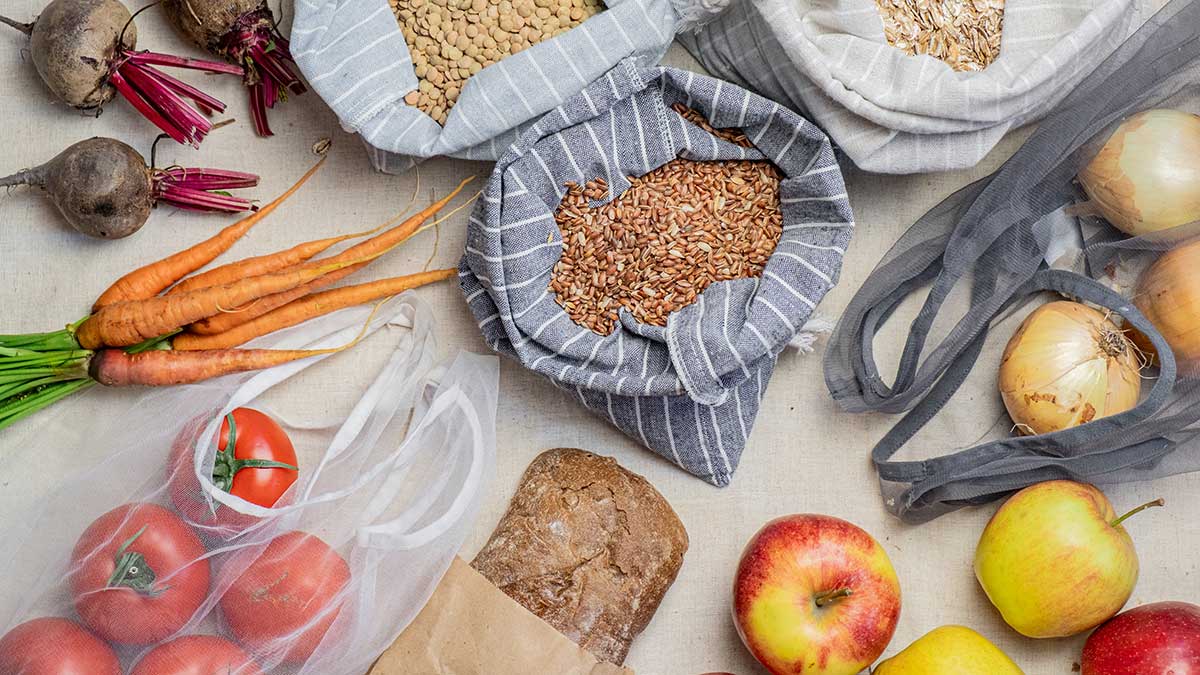
In 2023, U.S. households, retailers, and restaurants wasted approximately 73.9 million tons of food—about 31% of the food supply, valued at over $382 billion —according to the nonprofit ReFED. That wasted food accounts for 8-10% of global greenhouse gas emissions, nearly five times more than aviation. Now, a growing movement is transforming ingredients that would otherwise end up in landfills into safe, nutritious products you can find at your local grocery store.
Welcome to the world of upcycled foods. Getting comfortable with this new food choice starts with understanding the certification system designed to help you identify food that would otherwise rot in landfills and fields.
This article contains affiliate links. If you make a purchase through these links, we will receive a small commission on the sale, which helps fund our work.
What Is Upcycled Food?
The Upcycled Food Association (UFA), a nonprofit formed in 2019, developed the official definition: “Upcycled foods use ingredients that otherwise would not have gone to human consumption, are procured and produced using verifiable supply chains, and have a positive impact on the environment.”
In practical terms, upcycled foods are made from ingredients such as surplus produce deemed too “ugly” for retail shelves, spent grains from brewing, fruit pulp left over from juice production, or imperfect produce that don’t meet aesthetic standards. Rather than being composted, fed to animals, or sent to landfills, these perfectly safe ingredients can get a second life in new food products.
The Upcycled Certified Mark: Your Guide at the Grocery Store
Today, only one third-party certification exists globally for upcycled foods: Upcycled Certified, which is administered by Where Food Comes From, Inc., a leading food verification organization. The program launched in 2021 as the world’s first certification standard for upcycled food ingredients and products.
The certification has grown rapidly. As of 2024, 568 products were certified to the standard, a 17% increase from the previous year. Since the program’s inception, 806 products have achieved certification across 105 companies operating in 14 countries. These certified products have collectively diverted approximately 1.2 million tons of food waste, the equivalent of 248 million bags of groceries.
What the Certification Requires
A product that earns the Upcycled Certified mark meets rigorous standards that can give you the confidence to chow down.
- Upcycled Ingredient. To qualify as an upcycled ingredient in a product, such as flour made from spent grain or date sugar made from cosmetically imperfect dates, the ingredient must contain at least 95% upcycled content by weight, excluding added water. This applies to ingredients sold to manufacturers.
- Products Containing Upcycled Ingredients. Finished retail products must contain at least 10% upcycled content by weight, again excluding added water, to qualify for the certification. For example, tortilla chips containing 40% upcycled corn germ from starch manufacturing would qualify.
- Minimal Content. Products containing less than 10% upcycled content by weight can use a “Minimal Content” mark, but don’t qualify for full “Upcycled Certified” status.
- Supply Chain Verification. Companies must document that food waste is being diverted from a waste stream using bills of lading, invoices, waste records, or production records.
- Third-Party Audit. An Independent verification ensures that upcycled ingredients come from verified sources.
The certification covers more than food, applying to beverages, dietary supplements, pet food, cosmetics, personal care products, and household cleaners.
Is Upcycled Food Safe?
This is often the first question shoppers ask, and the answer is, “Yes.” Upcycled foods must meet the same FDA food safety standards as any other food product sold in the United States. The ingredients were always safe to eat; they weren’t used for human consumption because of appearance, overproduction, or processing inefficiencies.
The Upcycled Certified standard requires that products “use ingredients that have full nutritional value and are safe, but for various reasons, would have gone to waste.” The certification program’s supply chain verification adds a layer of traceability that conventional products may not have.
How Does Quality Compare?
Upcycled ingredients often deliver equal or superior nutrition compared to their conventional counterparts. For example:
- Fruit and vegetable skins, which are often discarded during processing, contain concentrated fiber, vitamins, and antioxidants that add nutritional value.
- Spent brewing grains retain protein and fiber after the brewing process, and can be used in bread, pasta, pizza dough, and energy drinks.
- Juice pulp preserves the fiber often lost in conventional juice production.
Many upcycled products position themselves alongside organic and premium products. Research published in Food Quality and Preference found that consumers perceive upcycled foods “to be more alike premium organic foods than conventional foods.” A SPINS retail study found that 51% of consumers are more likely to buy a product when it displays the Upcycled Certified mark.
Finding Upcycled Products
Major Retailers Carrying Certified Products
Upcycled Certified products have entered mainstream retail. You can find them at Target, Whole Foods Market, Walmart, Amazon, Misfits Market, and Kroger stores (through their private label partnership with Upcycled Foods, Inc.)
Upcycled Food Products To Look For
The fastest-growing categories for upcycled certification include pet foods, snack foods, and beverages. Here’s where you’re most likely to find upcycled options:
Snacks and Chips
Baking and Ingredients
Sauces and Prepared Foods
Pet Products
Tap Into the Upcycled Foods Product Finder
Start your research into upcycled foods by visiting the Where Food Comes From searchable database of Upcycled Certified products, including links to order or purchase as a local retailer.
A World of Good Reasons to Try Upcycled Foods
The environmental case for upcycled foods is compelling. According to the UN, if food waste were a country, it would rank as the world’s third-largest emitter after China and the United States.
The certified products currently available have helped divert 1.2 million tons of food waste annually. The Upcycled Food Association’s certification program has prevented 840 million pounds of food waste annually.
Beyond greenhouse gases, upcycling reduces pressure on land and water resources. 28% of agricultural land and 21% of freshwater go to producing food that ultimately gets wasted. Upcycling captures value from food that has already been produced, reducing the need for additional resources.
In 2021, Whole Foods Market first named upcycling among its top food trends and continues to emphasize it in its purchasing practices. Major retailers, including Kroger, have developed private-label upcycled products. The latest Upcycled Certified Standard, Version 3.0, provides an updated framework for the growing industry in response to consumer demand. With this kind of momentum, humanity can reduce its environmental impact and make the food we grow go further.
Take your first step at the store; look for the Upcycled Certified mark. It tells you the product has been independently verified to contain ingredients that reduce food waste, meet safety standards, and offer a verifiable supply chain. Every purchase represents a vote for a food system that wastes less and values more.
Source link
Earth911 earth911.com