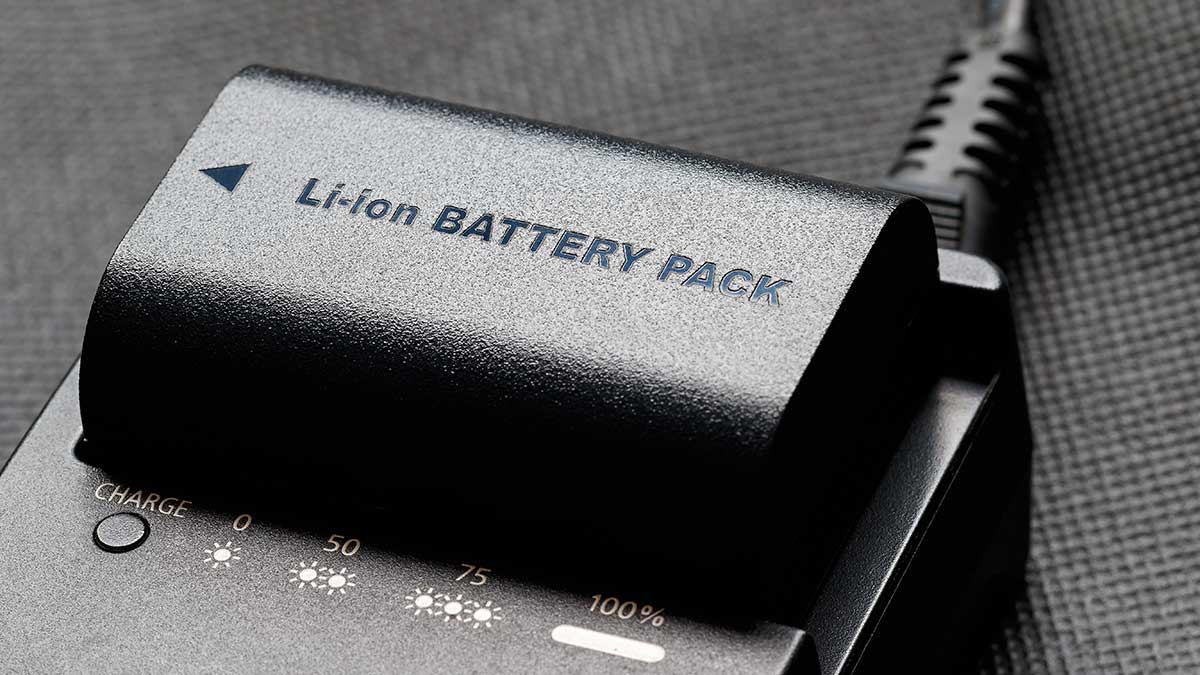
Lithium-ion (Li-ion) batteries are found in many devices we use every day, like smartphones, laptops, tablets, wireless earbuds, power tools, e-bikes, and electric vehicles. By 2023, there were more than 40 million electric vehicles on the road worldwide, and billions of portable electronics used Li-ion cells. These batteries are valuable for recycling, but they can be dangerous if not disposed of correctly.
In 2024, the lithium-ion battery recycling market was worth over $7 billion and is expected to grow to $24 billion by 2032, with annual growth of more than 20%. This growth is driven by the demand for minerals needed for electrification. Batteries contain valuable materials like cobalt, nickel, lithium, and graphite, which can be reused to make new batteries.
The Critical Safety Issue: Fire Risk
More batteries mean greater risk for recycling workers, and at home, where they are stored, even expired batteries can cause fires.
Lithium-ion batteries are the biggest fire risk in the waste and recycling system. A 2024 report from the National Waste & Recycling Association found that U.S. recycling facilities have more than 5,000 fires each year, many caused by lithium batteries thrown away incorrectly. From 2022 to 2025, facility fires increased by 26% compared to the 2016-2021 average, mostly because more batteries are ending up in the waste stream.
Li-ion batteries can catch fire if they are crushed, punctured, or damaged, which often happens in garbage trucks or recycling machines. This damage can cause a chain reaction called “thermal runaway,” where the battery heats up quickly and can ignite nearby materials. Even batteries that seem “dead” still have enough energy left to start a fire.
Disposable vaping devices are a growing fire risk. About 1.2 billion single-use vapes are thrown away each year, and each one has a small lithium battery. Because these devices have thin cases, they are easily damaged and can quickly overheat. Even a small spark can start a fire.
Never put lithium batteries in curbside recycling or trash. A single battery in a recycling truck can cause a fire that destroys the vehicle and endangers workers. Always use battery recycling programs.
Why Li-ion Battery Recycling Makes Economic Sense
Unlike alkaline batteries, which are not worth recycling for their materials, lithium-ion batteries have valuable contents that make recycling worthwhile:
Cobalt: Used in many Li-ion cathodes (particularly NMC and LCO chemistries), cobalt is expensive, and current supplies are concentrated in politically unstable regions. Recycling cobalt can offset the high costs of virgin material for battery manufacturers.
Nickel: Essential for high-energy-density batteries, nickel is an expensive commodity. NMC and NCA battery types include substantial nickel content.
Lithium: While lithium prices have fluctuated significantly, the element remains critical for all Li-ion batteries. Modern hydrometallurgical processes can recover over 90% of the lithium content in a used battery.
Graphite: This material is used in battery anodes. As recycling methods improve, recovering graphite is becoming more practical and profitable.
Copper and aluminum: These metals are found in the parts of batteries that connect the electrodes to the contacts. Both are valuable and easy to recycle.
Several companies, including Redwood Materials, Li-Cycle, and Ascend Elements, have recycling facilities in the United States. In October 2025, Redwood Materials raised $350 million to expand operations. Battery recycling has become a mainstream business.
The LFP Challenge
Lithium iron phosphate (LFP) batteries now account for roughly 40% of electric vehicle batteries worldwide. LFP batteries are safer—less prone to catching fire or thermal runaway—and do not use cobalt or nickel, which are valuable for recycling and important to traditional lithium-ion battery chemistries. However, because LFP batteries use iron and phosphate, which are much less valuable, recycling them is less profitable and more challenging. This means that recycling LFP batteries often requires different business strategies and policy support than recycling other Li-ion batteries.
Extended Producer Responsibility (EPR) laws are shifting the financial and logistical burden of end-of-use battery management from consumers and municipalities to the manufacturers and brands that put these products into the market. As states implement EPR frameworks for batteries—Colorado, California, and Oregon have already passed battery EPR legislation—producers are becoming legally obligated to fund and manage collection and recycling infrastructure regardless of whether the recovered materials generate profit.
This type of regulation is especially important for LFP batteries. Since the materials in LFP batteries are not as valuable as those in other Li-ion batteries, there is little financial motivation for recyclers to process them without legal requirements. EPR laws ensure LFP batteries are recycled because the law requires it, not just because it is financially profitable.
The EU’s new Battery Regulation, which started in 2024, shows what U.S. policy might look like in the future. It sets required collection rates, recycled content rules, and producer responsibilities for all battery types. LFP battery makers will need to set up their own take-back programs, join producer groups, or work with certified recyclers.
How to Recycle Lithium-Ion Batteries
If you notice your Li-ion battery is bulging, take special care to avoid fire and contact with its chemicals.
Consumer Electronics (Phones, Laptops, Tablets)
Most often, you’ll dispose of a Li-ion battery along with the device it powers. When trading in or recycling electronics:
Manufacturer take-back: Apple, Samsung, Dell, HP, and most major manufacturers accept their products for recycling and properly handle the batteries.
Retailer programs: Best Buy accepts most consumer electronics with batteries for recycling. Wireless carrier stores (AT&T, Verizon, T-Mobile) accept phones.
E-waste events: Many communities hold periodic electronics recycling events that accept Li-ion powered devices.
Standalone Batteries and Power Tools
The Battery Network/Call2Recycle: Over 20,000 drop-off locations accept lithium-ion batteries weighing up to 11 pounds and with a capacity of up to 300 watt-hours. Use the locator tool to find participating retailers, including The Home Depot, Lowe’s, Best Buy, and Staples.
TerraCycle-backed programs: Stanley Black & Decker offers free mail-in recycling for DEWALT, CRAFTSMAN, BLACK+DECKER, STANLEY, PORTER-CABLE, and other brand tools with non-removable lithium batteries.
Household hazardous waste: Many municipal HHW programs accept lithium batteries, particularly larger or damaged ones.
E-Bike Batteries
E-bike batteries are bigger than most consumer batteries and need special handling. The Battery Network runs a recycling program just for e-bike batteries, with over 1,600 trained collection sites. In 2023, this program collected more than 60,000 pounds of e-bike batteries.
Electric Vehicle Batteries
EV batteries are typically handled by dealerships and manufacturers as part of vehicle service or end-of-life processing. Many EV batteries are first repurposed for stationary energy storage applications before eventually being recycled. If you have an EV battery that needs recycling, contact your vehicle manufacturer or dealership.
Safe Handling Guidelines
Lithium-ion batteries need to be handled more carefully than other types of batteries:
- Tape terminals: Cover battery terminals with electrical tape or place each battery in a separate plastic bag to prevent shorts.
- Store away from heat: Keep batteries in a cool, dry place. Heat makes them wear out faster and raises the risk of fire.
- Don’t puncture or crush: Damaged batteries can overheat and catch fire. Always handle them gently.
- Don’t store batteries in metal containers. Use plastic or cardboard instead to prevent short circuits if the battery contacts touch metal.
- Recycle promptly: Don’t let used batteries pile up. Take them to drop-off locations regularly.
State Requirements and EPR Laws
Extended Producer Responsibility (EPR) laws are rapidly expanding to cover lithium-ion batteries. Current and upcoming requirements include:
California (AB 2440 & SB 1215): These laws impose comprehensive recycling of all battery types. Producer stewardship programs must be in place by April 2027. Consumer recycling fees were added to battery-embedded products in January 2026.
Washington (SB 5144): This portable battery disposal ban takes effect in January 2027.
Washington, D.C.: A battery disposal ban has been in effect since January 2022 under the Zero Waste Omnibus Amendment Act.
Illinois: The Battery Stewardship Act requires manufacturers to submit approved plans by January 2026, and the disposal ban will take effect in January 2028.
New Jersey: The Electric and Hybrid Vehicle Battery Management Act became the first state law to include EV propulsion batteries in 2024.
The federal government is paying more attention to battery recycling, with the Infrastructure Investment and Jobs Act providing grants for battery manufacturing and recycling. States are still leading the way on EPR requirements. It is not yet clear how federal battery recycling programs will develop in the future.
Recycle Batteries for a Cleaner, Secure Economy
Lithium-ion battery recycling is essential for environmental and safety reasons. The valuable materials inside these batteries make recycling economically viable and support domestic supply chains for critical minerals. However, the immediate concern for your community is fire prevention: keeping Li-ion batteries out of trash and curbside recycling protects recycling workers, prevents facility damage, and ensures these hazardous materials are properly managed.
Take action now! use the free battery drop-off locations at major retailers to recycle your batteries safely. For devices with built-in batteries, return them through manufacturer or retailer take-back programs. Always tape battery terminals before recycling to prevent fires during transport. Your efforts make a real difference—help protect your community, environment, and supply chains by recycling every lithium-ion battery properly.
Source link
Earth911 earth911.com