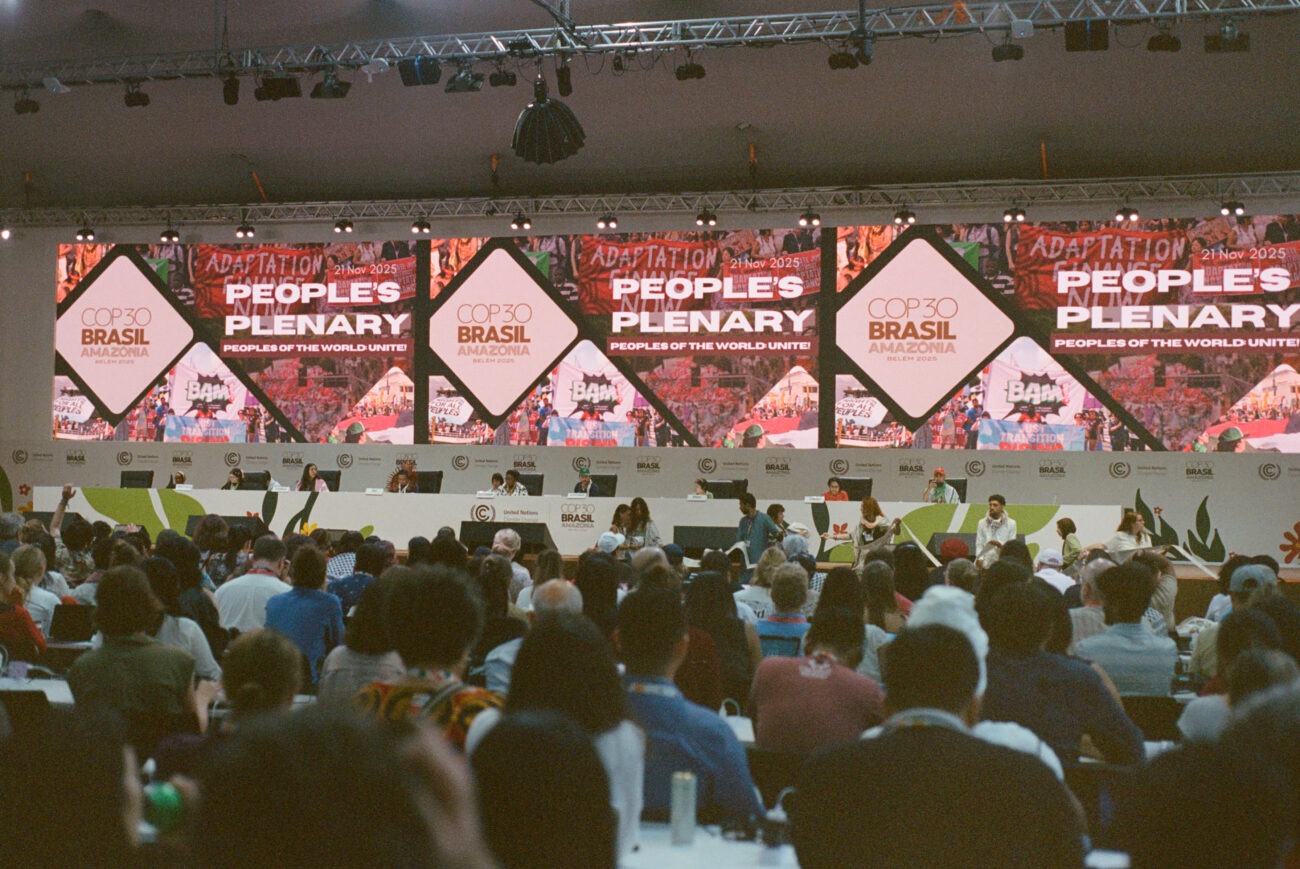
I left COP30 with a mix of emotions.
On the positive side, it seems like health is really progressing as a lever for the climate agenda, with the Belém Health Action Plan, key health metrics in the global goal on adaptation and the potential of more funding for climate adaptation.
But key components are still missing (and in some ways have gone backwards), including a roadmap for phasing out fossil fuels and protecting forests.
environmental health sciences at Columbia University’s Mailman School of Public Health.
After this year’s experience, I plan to get more involved in many ways at COP31. It’s been deeply inspiring to see people work so hard during the negotiations.
Personally, it’s been great to connect with passionate people from around the world, and I am looking forward to sharing more work about that very soon!
In the meantime, I worked with different friends and colleagues to produce a podcast episode to document my time at COP30. Special thanks to Marcelo Jauregui-Volpe, an M.S. candidate at Columbia Journalism School, for introducing and producing the episode.
Here, I share real-time audio from the conference and daily reflections as I speak with colleagues, attendees and activists, all while navigating extreme heat, torrential rain and a fire inside the COP30 conference space.
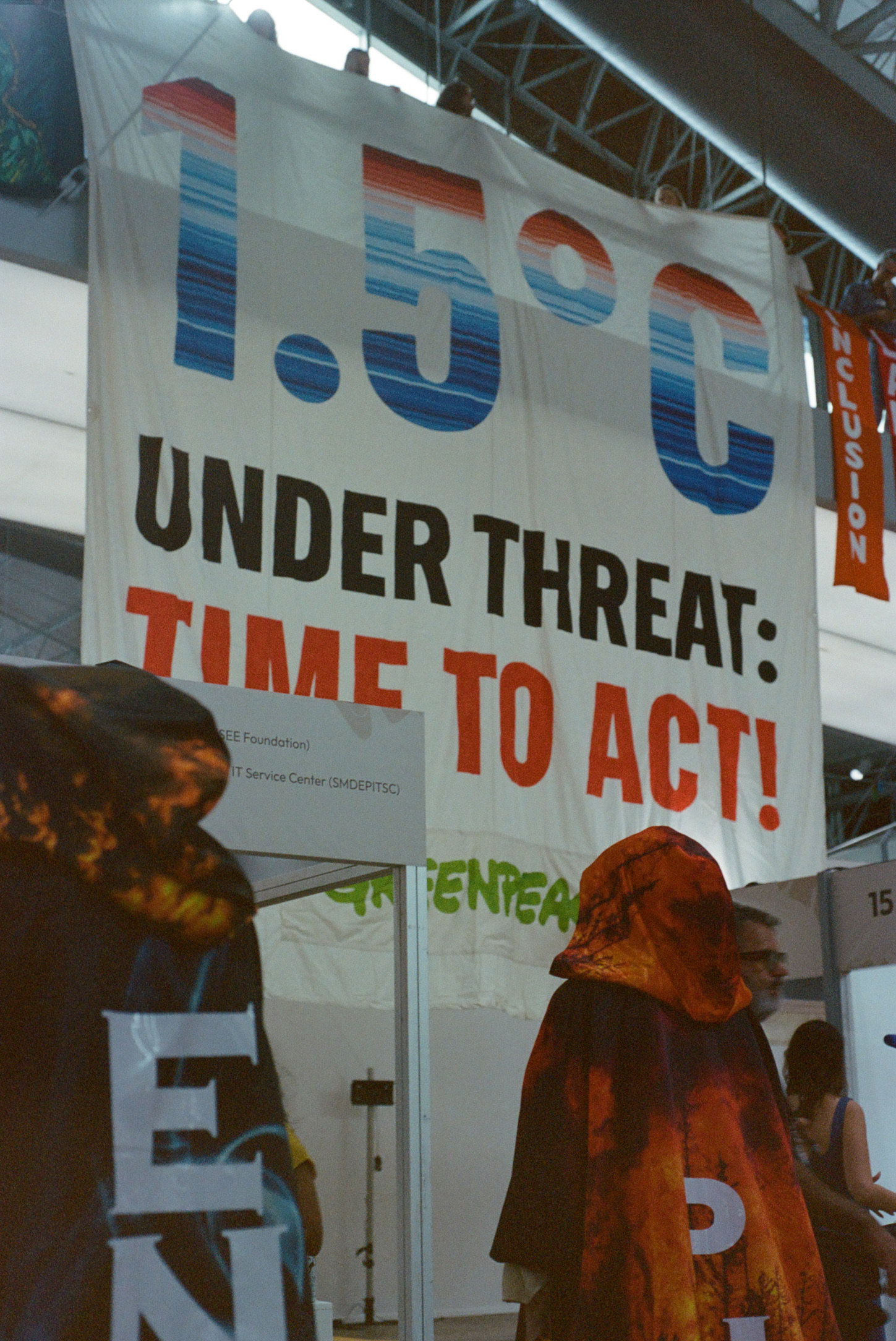
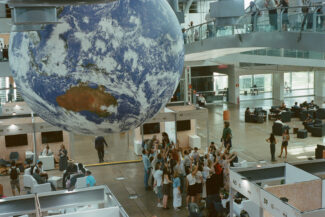
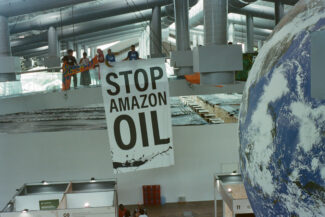
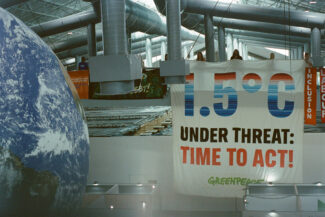
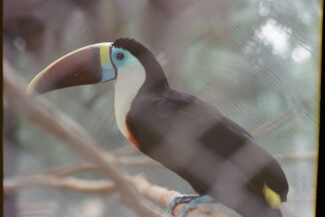
Some photo highlights from my film camera while I was at COP30:

Robbie Parks is an assistant professor of environmental health sciences at Columbia University’s Mailman School of Public Health.
Views and opinions expressed here are those of the authors, and do not necessarily reflect the official position of the Columbia Climate School, Earth Institute or Columbia University.
Source link
Guest news.climate.columbia.edu