Sustainable agriculture involves various techniques, including cover cropping. Farmers and gardeners from all walks of life should implement this simple solution for their own land for a better harvest.
Understanding Regenerative Agriculture Techniques Through Cover Cropping
Cover crops are plants grown to cover soil between harvest crops and are specifically chosen to optimize soil health so as to maintain a healthy ecosystem. While they’re getting plenty of traction now, they’re not exactly new. In fact, the concept was used back in 6,000 B.C., when Greek and Roman farmers would use it for vineyards, livestock feed and bread making. Farmers in England had experimented with cover crops, while optimizing crop rotation in the 15th century.
The Cover Crops Benefits for the Environment
The reason why using cover crops is a regenerative agriculture technique is because of their holistic farming benefits.
Soil Health Improvement
Cover crops’ primary goal is to improve the soil health for your future crops. Here are several ways it does that:
- Increasing organic matter: Cover crops can decompose and create extra organic matter that improves the soil’s structure and fertility. Additionally, they capture the extra nutrients from harvested crops, effectively doubling the fertilization.
- Preventing soil erosion: Cover crops can help fill gaps to avoid bare soil and reduce erosion. Think of them as a system capable of holding the land together no matter the wind, rain or shine.
- Boosting water infiltration: Planting cover crops creates additional root channels to break up compacted soil and improve its health. The additional greenery also minimizes runoff, while promoting deeper water penetration.
Natural Weeds and Pests Prevention
Weeds are a headache to deal with, but they’re almost inevitable when there’s extra soil for them to thrive. Thankfully, cover crops can help smother them and reduce the need for herbicides.
You can also use cover crops as a way of repelling pests. It’s estimated up to 40% of the world’s crops are lost to these insects and their diseases, so having these solutions can save a significant amount.
Fertilizer Replacement
Fertilizers’ main goal is to improve soil structure and bring more nutrients to crops, which cover crops can easily achieve. It’s also a perk that cover crops are natural and sustainable fertilizers, which can be less expensive compared to store-bought and manufactured alternatives. Since it’s organic matter, you can tend to them while tending to your harvested crops.
Increased Biodiversity
Cover crops can help remove pests, but they can also provide a habitat for pollinators and other beneficial microorganisms throughout the farm. Increased biodiversity should always be welcomed, as it can help lead to improved soil health and support from Mother Nature. Just remember to make the right crop choices in advance.
Popular Cover Crop Varieties for Sustainable Farming Practices
Cover crops come in all shapes and sizes, each with its own unique abilities. Here are a few of the main ones farmers like to use.
Cereal Rye
Cereal rye is categorized as a winter cover crop, as it is a cool-season annual grass. That said, it can help establish itself as early as fall. It is known for minimizing soil compaction and fighting diseases. These plants can also help with weed suppression. It’s recommended to terminate these when conditions are dry to avoid negatively impacting cash crops.
Oats
Oats are another cool-season annual grass, which is best known for its wider leaves and waxy stems. This greenery tends to grow quickly, which is ideal for farms with a sparse distribution of harvested crops. It can help reduce soil erosion for a better environment for growth. It also offers quality livestock grazing for farm animals.
Crimson Clover
Crimson clover is known as a cool-season annual legume. It is recognized as a strong nitrogen fixer and scavenger, which is vital for balancing nitrogen levels in the soil and providing the right nutrients for cash crops. It also has a strong root system to help fight soil compaction and drought tolerance.
Tillage Radish
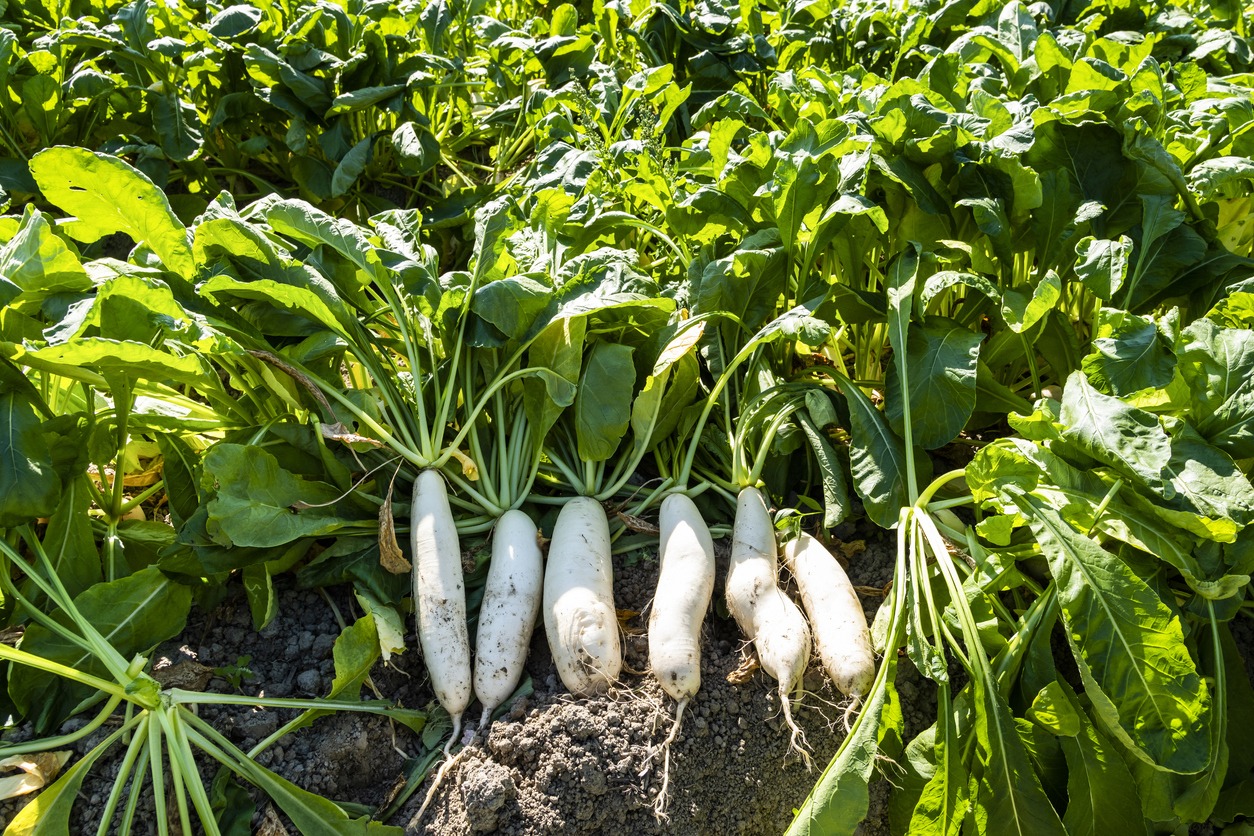
Tillage radishes can be classified as a cool-season annual member of the Brassica family. While they are a lovely vegetable on their own, their long taproot is exceptional when improving water infiltration and battling soil compaction. This cover crop is also ideal for removing excess nitrogen from the soil.
Implementing Cover Crops in Different Scales
Cover cropping is a technique suitable for almost all farm sizes, provided you select the right species, seed at the right time and terminate when necessary.
Home Gardens
Home gardens are an excellent starting point for your cover cropping journey. With a smaller volume of planting, it’s easier to see the effects of this technique. Remember to pair the plant species with the right cover crop option, though, to get the most out of it. Less is more when it comes to seeding, as well as to avoid overcrowding.
Community Gardens
Community gardens are becoming more popular than you might think. There are around 29,000 of them in the 100 most populous U.S. cities. Since these spaces will likely involve larger plots of land and more people, it may help to brief everyone about cover crops, how they can be used and how to maintain them. Coordinate use to avoid conflict in the main crops.
Large Farms
Applying cover crops to large farms will have the best impact, especially if it contributes to the supply chain. When incorporating this technique, consider setting a goal of long-term soil building, especially since you’ll need to arrange crop rotations throughout the year. Depending on the size and location of the farm, you may have to use less common cover crops.
Common Challenges to Consider
Cover cropping is a beneficial technique, but there are still nuances that can make its execution challenging. For instance, each cover crop type has traits it excels at, which can complicate selection without prior knowledge. They also have their own specific times of when they should be planted and terminated. Even their termination methods can vary, ranging from mowing to tilling or crimping.
There’s also the management and planning aspect, as it can still incur additional costs. Certain federal and state agencies provide farmers with partial payments to use cover crops, but you need to be intentional with how you use them in the long run.
The Future of Cover Cropping
Combining the concept of cover cropping with technological advancements can ultimately enhance the efficiency of farming. For instance, drones can propel seeds at speeds of up to 300 kilometers per hour with precision, which minimizes time for large-scale farms to plant both cash and cover crops.
Data from sensors and satellites can also help farmers with monitoring crop growth and understanding the effectiveness of their cover crops. It could help tailor future approaches and increase the chances of success.
Adopt Cover Cropping Throughout America
Cover cropping is a fundamental technique in regenerative agriculture with the potential to transform American farms in the long run. Green spaces of all sizes should incorporate them into their routine and have a better harvest.
Source link
Rose Morrison biofriendlyplanet.com