
The Ultimate Guide to Building an Eco-Friendly Home: Tips, Tricks and Best Practices
Building an eco-friendly home is not only great for the environment but also for your wallet. By using sustainable materials and energy-efficient systems, you can reduce your carbon footprint and save money on utility bills. But where do you start? In this ultimate guide, we’ll provide you with tips, tricks and best practices for building an eco-friendly home.
1. Location, Location, Location
The location of your home can have a significant impact on its eco-friendliness. Consider building your home in an area that maximizes natural resources such as sunlight, wind, and water. This will allow you to take advantage of renewable energy sources and reduce your dependence on non-renewable energy.
2. Sustainable Building Materials
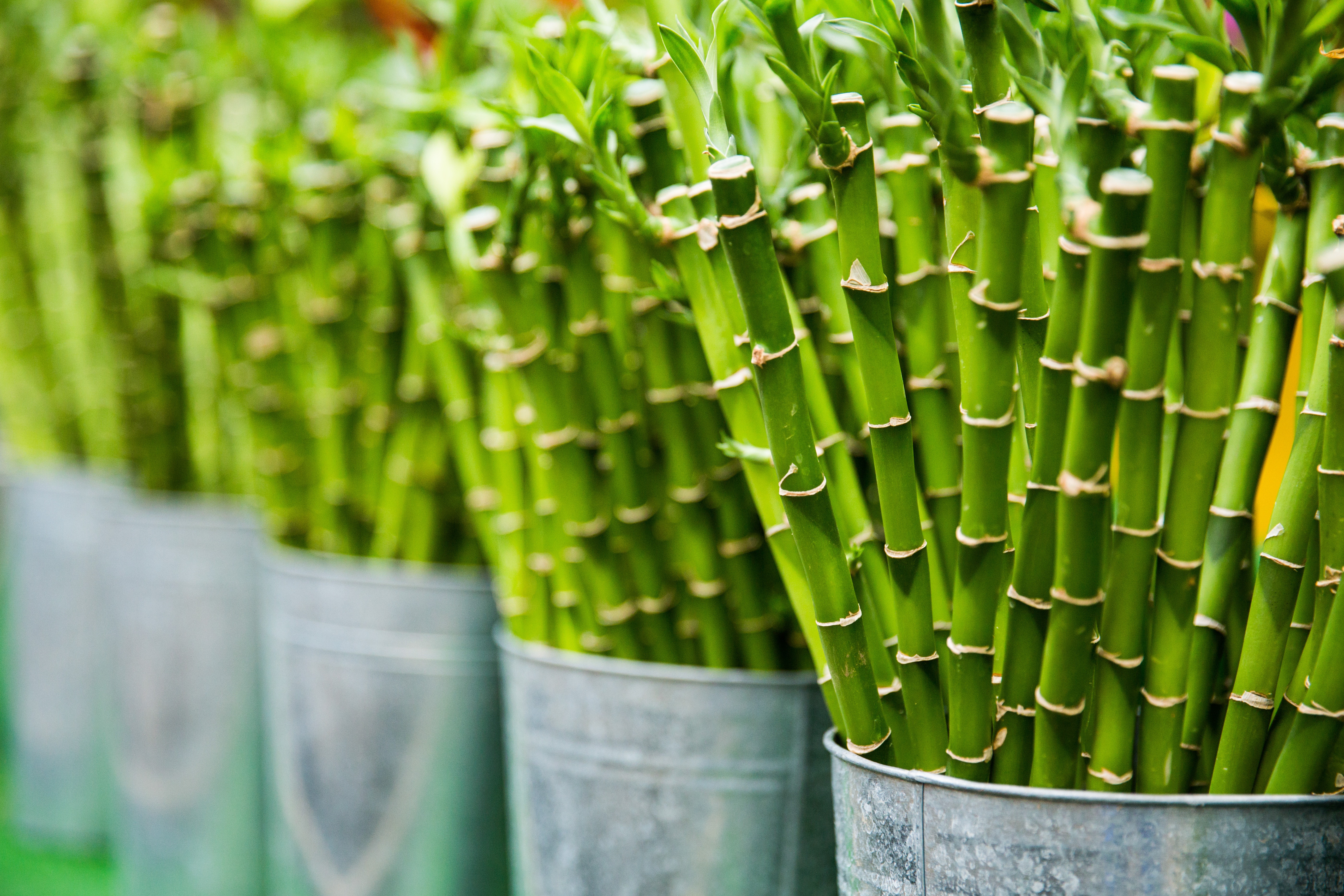
Choosing sustainable building materials is essential when building an eco-friendly home. Sustainable materials are those that are renewable, recycled, or have a low environmental impact. Some examples of sustainable materials include bamboo, cork, reclaimed wood, and recycled steel.
3. Energy-Efficient Systems
Energy-efficient systems are an essential component of an eco-friendly home. Install energy-efficient appliances, lighting, and HVAC systems to reduce your energy consumption. Consider using solar panels to provide electricity for your home. You can also install a geothermal heat pump system that uses the earth’s natural warmth to heat and cool your home.
4. Water Conservation
Water conservation is an essential part of building an eco-friendly home. Choose low-flow toilets, faucets, and showerheads to reduce water usage. Consider using rainwater harvesting systems to collect rainwater for irrigation and other non-potable uses.
5. Indoor Air Quality
Indoor air quality is crucial for a healthy home environment. Choose low or no VOC (volatile organic compounds) paints, adhesives, and sealants to improve your indoor air quality. Use natural ventilation and air filtration systems to remove pollutants from the air.
6. Landscaping
Landscaping is another important aspect of an eco-friendly home. Choose native plants that require less water and maintenance. Consider using xeriscaping techniques that use low-water plants and hardscaping to reduce water usage. Install rain gardens and other natural drainage systems to manage stormwater runoff.
7. Green Certification
Consider getting your home certified as green by reputable organizations such as LEED (Leadership in Energy and Environmental Design) or Energy Star. Green certification provides an independent verification of your home’s eco-friendliness and can increase its value.
Conclusion
Building an eco-friendly home requires careful planning and consideration of various factors. However, the benefits of an eco-friendly home are significant, both for the environment and your wallet. By following the tips, tricks, and best practices outlined in this guide, you can build a home that is sustainable, energy-efficient, and healthy for you and your family.
Q&A
Q: What are some other sustainable building materials besides bamboo and reclaimed wood?
A: Some other sustainable building materials include rammed earth, straw bales, and hempcrete.
Q: How much can I save on my utility bills by building an eco-friendly home?
A: The amount you can save on utility bills varies depending on various factors such as the size of your home, location, and energy-efficient systems. However, studies have shown that eco-friendly homes can save up to 30% on energy bills compared to traditional homes.
Q: How long does it take to get green certification for my home?
A: The time it takes to get green certification for your home varies depending on the organization and the level of certification you are seeking. LEED certification can take a few months to a year, while Energy Star certification can take a few weeks to a few months.
