
The Urgent Need for Conservation: Preserving Our Planet for Future Generations
The world is facing a major environmental crisis. Climate change, deforestation, pollution, and loss of biodiversity are just some of the challenges that we are grappling with. The situation is dire, and urgent action is needed to preserve our planet for future generations. In this article, we will explore the importance of conservation and why it is essential to act now.
What is conservation?
Conservation is the act of protecting and preserving the natural environment. It involves the management and sustainable use of natural resources such as water, air, soil, and wildlife. Conservation aims to maintain the delicate balance of the ecosystem, prevent the extinction of species, and protect biodiversity.
Why is conservation important?
1. Biodiversity
Biodiversity is the variety of life on Earth. It includes all living organisms, from the smallest microorganisms to the largest animals. Biodiversity is essential for the functioning of ecosystems, and it provides us with numerous benefits, such as clean air and water, food, and medicine. However, human activities such as deforestation and pollution are causing a significant decline in biodiversity. Conservation is crucial to protect and preserve the diversity of life on Earth.
2. Climate change
Climate change is one of the most significant environmental challenges that we face today. It is caused by the emission of greenhouse gases, primarily carbon dioxide, which trap heat in the atmosphere and cause global temperatures to rise. Climate change has numerous negative impacts, such as extreme weather events, sea-level rise, and loss of biodiversity. Conservation can help mitigate climate change by reducing greenhouse gas emissions, preserving forests, and promoting sustainable agriculture.
3. Water scarcity
Water is essential for human survival, but it is also a finite resource. Many regions of the world are facing water scarcity due to overconsumption, pollution, and climate change. Conservation can help preserve water resources by promoting water-efficient practices, reducing pollution, and protecting watersheds.
4. Economic benefits
Conservation can also provide significant economic benefits. It can create jobs in the sustainable tourism industry, promote sustainable agriculture, and protect natural resources that are essential for industries such as fishing and forestry.
How can we conserve the environment?
1. Reduce, reuse, and recycle
The three Rs, reduce, reuse, and recycle, are simple yet effective ways to conserve the environment. By reducing our consumption, reusing items, and recycling waste, we can reduce our impact on the environment and conserve natural resources.
2. Sustainable agriculture
Sustainable agriculture practices, such as organic farming and crop rotation, can help conserve soil health and reduce the use of harmful pesticides and fertilizers. Sustainable agriculture also promotes biodiversity and protects natural resources such as water and air.
3. Forest conservation
Forests are essential for biodiversity, climate regulation, and water conservation. However, deforestation is causing significant damage to forests worldwide. Forest conservation involves protecting and managing forests sustainably, promoting reforestation, and reducing illegal logging.
4. Renewable energy
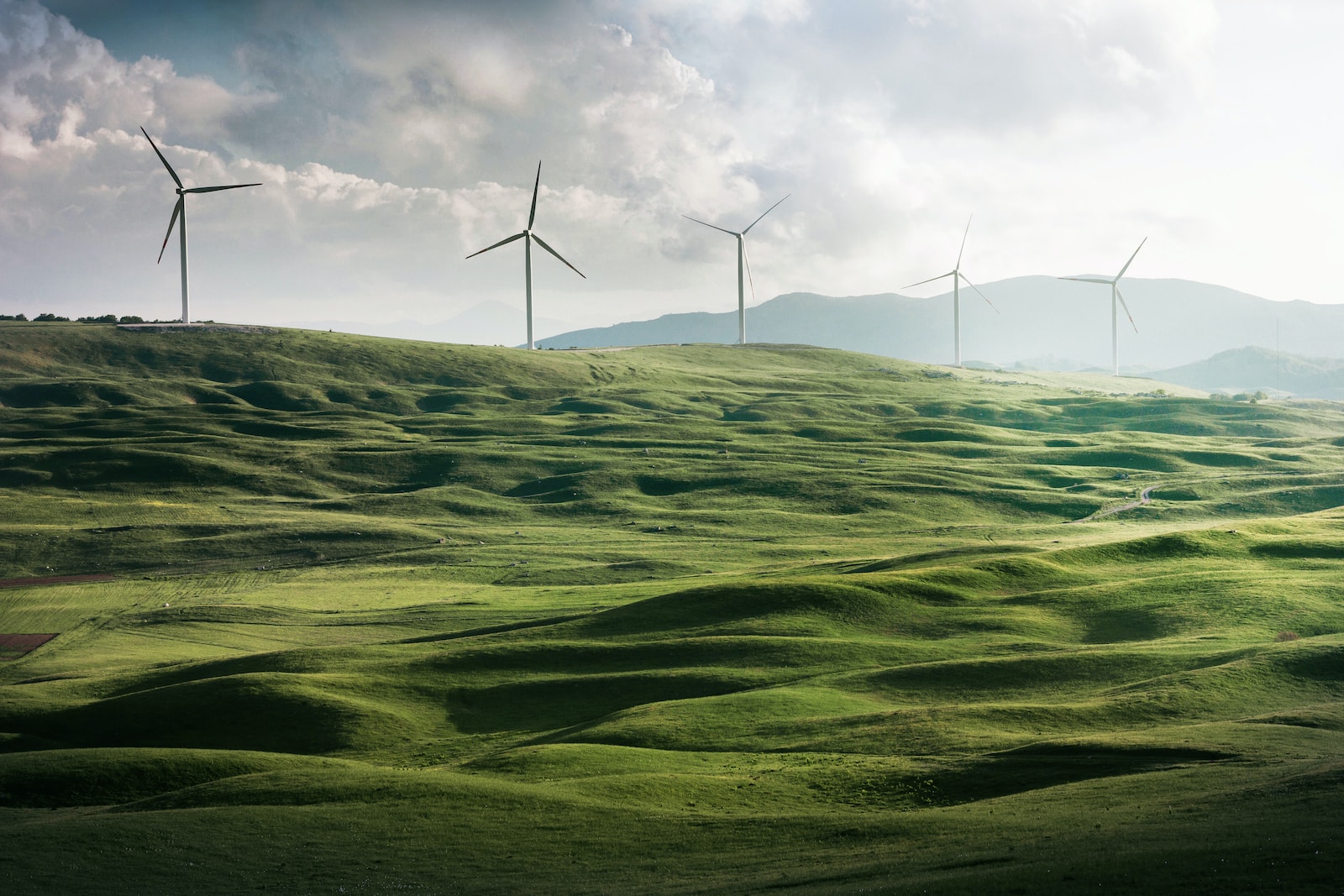
Renewable energy, such as solar and wind power, can help reduce greenhouse gas emissions and mitigate climate change. Investing in renewable energy infrastructure can also create jobs and boost local economies.
Conclusion
Conservation is crucial to preserving our planet for future generations. We face numerous environmental challenges, from climate change to water scarcity, and urgent action is needed to address them. By promoting sustainable practices, protecting biodiversity, and reducing our impact on the environment, we can ensure a healthy and sustainable future for all.
Q&A
1. What are the three Rs of conservation?
The three Rs of conservation are reduce, reuse, and recycle. These practices can help reduce our impact on the environment and conserve natural resources.
2. What is biodiversity, and why is it important?
Biodiversity is the variety of life on Earth. It includes all living organisms, from the smallest microorganisms to the largest animals. Biodiversity is essential for the functioning of ecosystems, and it provides us with numerous benefits, such as clean air and water, food, and medicine.
3. How can renewable energy help conserve the environment?
Renewable energy, such as solar and wind power, can help reduce greenhouse gas emissions and mitigate climate change. Investing in renewable energy infrastructure can also create jobs and boost local economies.
