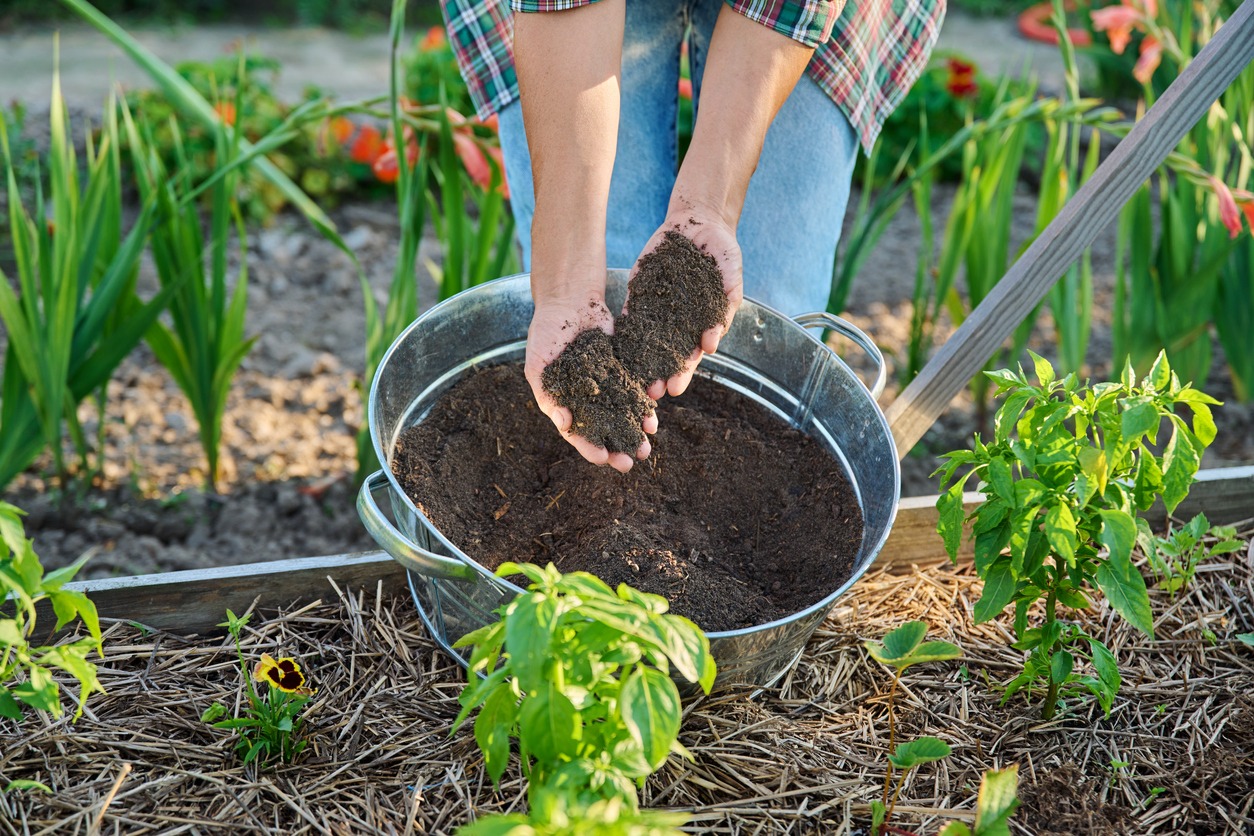
Human waste may seem like an unintuitive and unpleasant feedstock for your garden, but it could be the next big option for fertilizer or power. Urine and fecal matter from households can add utility to your toilet. While it may be off-putting at first glance, these materials are so abundant they could revolutionize the creation of a closed-loop, sustainable community. The transformation of waste into nutrient-dense “liquid gold” may help the planet heal, as it is a practical and effective way to convert human waste into valuable resources.
Imagine how many times you go to the bathroom a day. Then, multiply this by every human. Flushing everything is a wasted opportunity, especially since urine and fecal matter could be used to create fertilizer and make energy management more carbon-friendly. You can reconsider your relationship with waste and view it as a prospect for greener living by understanding how these could transform all communities, from urban to rural.
The Influence of “Liquid Gold”
A recent initiative in Australia, from the Nutrients in a Circular Economy Hub, is redirecting urine to use for fertilizer creation. Organizations like these are using urine because it is rich in phosphorus and nitrogen, which can quickly deplete natural resources vital to fertilizer production. The product is specialized for the local area, which also helps wastewater treatment facilities during processing. It will strengthen the agricultural and water sectors with this “liquid gold” by using novel technologies and investing in observational studies to measure its effectiveness.
The Utility of Methane
Alternatively, feces can be used for biogas energy. Portland is experimenting with anaerobic digesters to create renewable natural gas, capturing methane as human waste decomposes. Projections suggest it could slash greenhouse gases by 21,000 tons, produce $3 million in economic boons and remove 1.34 million gallons of diesel from trucks. Implementing digesters in water treatment facilities, to maximize the value of existing resources, could be one of the easiest ways to integrate these processes into society.

Why Ditching Synthetic Fertilizers Matters
Sustainable farming can only progress if toxic influences are removed from the equation. You can continue to use chemical fertilizers without adopting the idea of repurposed human waste. However, there are many reasons to nix synthetic, conventional options. Even though they have been an agricultural staple for ages, here are several reasons why they are harmful to continue using:
- Consumes a lot of energy during creation
- Causes nutrient runoff into waterways
- Puts harsh chemicals into nature, harming biodiversity
- Makes soil more acidic over time
- Places pressure on environments to harvest necessary materials
Removing synthetic fertilizers from farms will encourage plant growth and better nutrient levels in the soil. Additionally, it supports circular economic and organic farming principles, reducing the carbon footprint of all processes by continually using what you already have. Although “liquid gold” and human waste-fed biogas may seem like a harmful solution, they actually support a better future for farmers, keeping their lands healthier and improving growing seasons.
Bringing the Circular Economy Home
You can actually contribute to these causes in your own household. Start by cutting out chemical-based fertilizers. In addition to needing the nutritional benefits of “liquid gold,” agriculturalists also need rich compost to stamp out aggressive weeds and prevent them from spreading. You will notice the advantages throughout the season.
Households can also incorporate urine-diverting or composting toilets. These separate liquids and solids make it easier for sewage and municipal waste professionals to access resources where they are most necessary.
Then, utility companies can leverage these resources to create free fertilizer for residents and share it through community programs or enable off-grid applications with clean energy. The communal contribution would be extraordinary, allowing municipalities to expand infrastructure and construct more sustainable neighborhoods.
Eventually, households and communities become more self-sufficient, reducing reliance on virgin natural resources. If citizens and utility companies have greater access to a more diverse energy mix and options for fertilizing gardens and farms, recovering from disasters, outages and supply chain shortages will be easier. This is essential, especially as climate change stressors continue to make water scarce in cities and fertilizer difficult to access in places requiring it most.
Managing Your Home and Community’s New Ecosystem
The advantages of using human waste for these applications are evident and scalable, but participation is required from you and your neighbors.
Tending to Your Home to Support Utilities
Mindful management of a home’s resources is necessary to get the most out of them, requiring households to oversee compost, water and waste fixtures. This is crucial for preventing concerns, like piping issues or unwanted pests, which are attracted to everything, including food waste and feces.
Getting the Right Equipment and Infrastructure
Implementing waste-to-resource systems requires appropriate equipment and infrastructure, whether at home or community scale. For home composting toilets or urine diversion systems, selecting the right model for your specific needs is important. Consider factors like household size, available space, local regulations and whether you need a system that’s fully off-grid or one that integrates with existing plumbing.
For community-scale projects, infrastructure needs expand significantly. Biodigesters for methane capture require proper containment vessels, gas collection systems and monitoring equipment. Similarly, urine processing for fertilizer production needs collection tanks, treatment facilities and distribution systems.
The equipment you select should match your specific requirements and conditions. Equipment specialists note different attachments perform different functions, so you’ll likely need to take varying approaches to maintenance. The same principle applies to waste management systems — each component has unique maintenance needs that must be addressed to keep the entire system functioning efficiently.
When planning infrastructure, consider factors like scalability, durability and ease of maintenance. Design systems to grow with increased adoption and evolving needs. For urban settings, space-efficient designs might be the only viable solution. Rural applications might prioritize simplicity and low-tech solutions that don’t require specialized knowledge to maintain.
Spreading Knowledge
Additionally, you can participate in your area to advocate for the exploration of alternative energy ideas. Talk to residents and policymakers about how researchers are actively studying how solar panels can empower nitrogen capture from urine samples. Inform utility providers how this could improve economic well-being. Notify cities about how these projects support the Sustainable Development Goals of access to clean water and energy.
Reduce Stigma
It will take effort to dispel the stigma surrounding the use of human waste for these purposes, so leading with the facts is crucial. Lowering resistance against it starts with you. Overcome the mental barriers you may have about seeing human waste as an asset for greener futures, so you can lead by example in your community.
Begin by discussing your concerns about limited fertilizer access or your desire to expand renewable energy in the town. Then, the rest will come naturally.
One Person’s Trash Is Another Planet’s Treasure
Just because you call it waste does not mean it should go to waste. Making “liquid gold” takes a plentiful resource and turns it into something useful and sustainable.
It will take time for humanity to overcome the stigma surrounding the use of human waste, but it will be a monumental step forward in expanding creativity and finding eco-friendly solutions. Take time to spread awareness about these ideas and how they could transform communities and the planet.
Source link
Rose Morrison biofriendlyplanet.com