
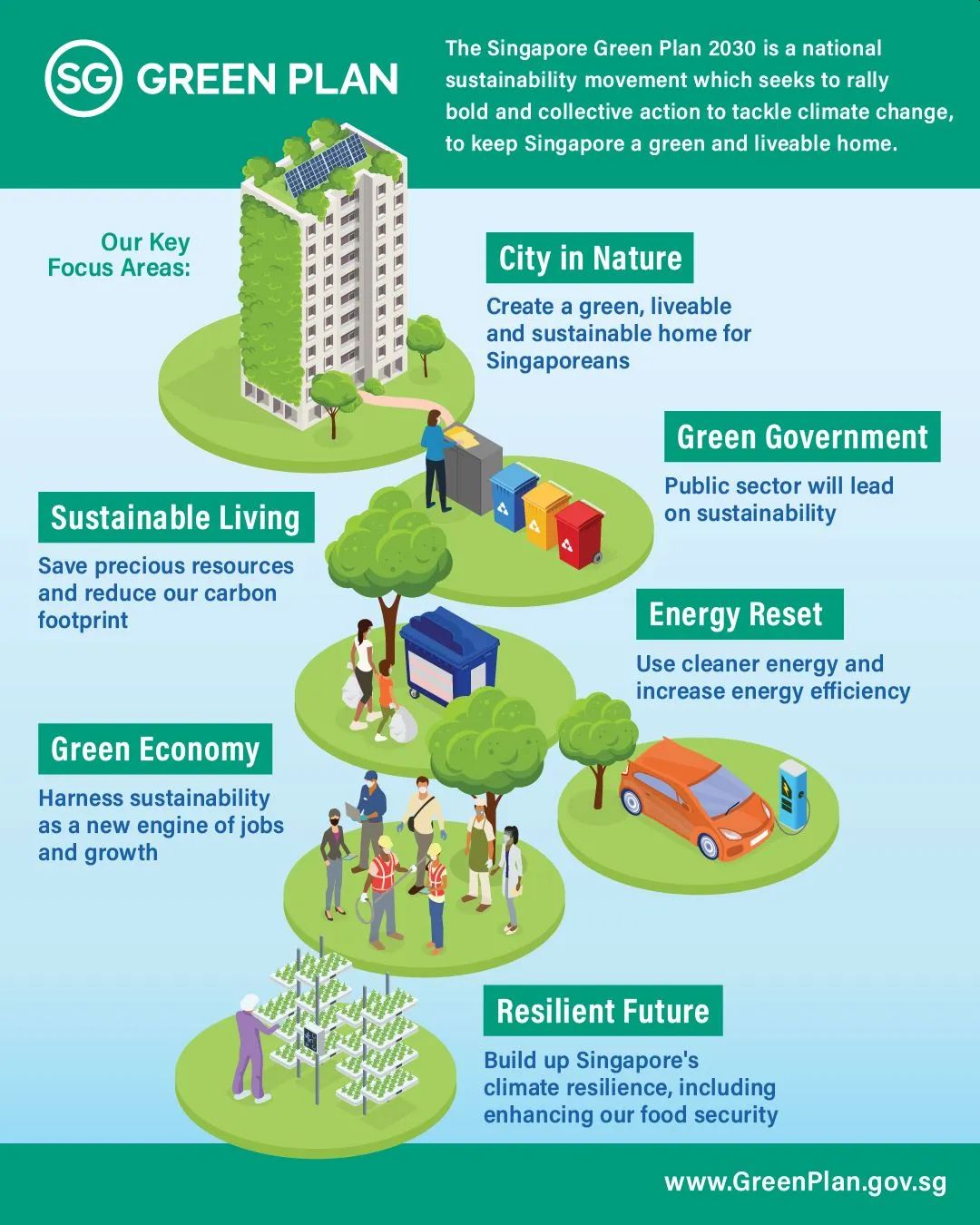
Singapore has been steadily pushing towards a more sustainable future with initiatives like the Singapore Green Plan 2030 setting clear targets for cleaner energy, greener urban spaces, and reduced carbon emissions. Managing the nation’s carbon footprint is a key part of these efforts, as every sector seeks ways to lower greenhouse gas emissions. Carbon offsetting has emerged as one approach in this wider strategy, offering a way to balance out unavoidable emissions by supporting projects that remove or prevent an equivalent amount of carbon dioxide elsewhere.
While carbon offsetting is not a replacement for reducing emissions at the source, it works well as a complementary approach that makes achieving sustainability targets more attainable. Moreover, it provides opportunities for individuals, companies, and organisations to support the country’s green initiatives. Here’s what carbon offsetting contributes to Singapore’s sustainability efforts and how it fits into the broader push for a greener nation:
1) Helps Achieve National Emissions Targets
Carbon offsetting is an important strategy for managing Singapore’s carbon footprint, particularly for emissions that cannot be fully eliminated immediately. Industries and transport sectors are making progress with cleaner technologies and energy-efficient solutions, but some residual emissions remain. Investing in verified carbon offset projects enables organizations and individuals to neutralize these emissions, helping to meet the targets set under the Green Plan 2030.
Offsets complement direct emission reduction efforts by providing a practical way to close the gap between current emission levels and Singapore’s long-term goal of net-zero emissions. This combination of strategies ensures that the country continues to make measurable progress on climate action while planning for cleaner technologies in the future.
2) Supports Renewable Energy Development
Many carbon offset programs fund renewable energy initiatives such as solar farms, wind projects, and small-scale hydroelectric systems. By contributing to these projects, Singapore-based organisations can help increase the supply of clean energy both locally and regionally. Even if the projects are outside Singapore, the impact remains significant, as it reduces global reliance on fossil fuels and supports a cleaner energy transition.
These investments complement domestic efforts such as expanding rooftop solar deployment, improving energy efficiency, and encouraging businesses to adopt low-carbon solutions. In this way, carbon offsets act as both a practical and financial tool to accelerate the global shift towards renewable energy while supporting Singapore’s sustainability goals.
Carbon offsetting also supports nature-based solutions such as reforestation and mangrove restoration. These projects naturally absorb CO₂ and provide additional environmental benefits, including flood mitigation, soil protection, and habitat preservation. Support for such initiatives aligns with Singapore’s broader ecological strategies, helping to create a greener and more resilient environment.
Upon backing these projects, organizations and individuals can directly contribute to environmental conservation while addressing climate change. It also shows how carbon offsetting can deliver multiple benefits beyond emissions reductions, reinforcing Singapore’s commitment to both sustainability and biodiversity protection.
4) Encourages Corporate Sustainability Practices

Participation in carbon offsetting also allows companies to demonstrate a commitment to sustainability that goes beyond regulatory compliance. Through investing in verified carbon credits, businesses can enhance their environmental credibility, attract environmentally conscious investors, and even encourage staff to adopt greener practices.
The Singapore Carbon Market Alliance (SCMA) plays an important role here by connecting companies with high-quality carbon credits and providing guidance on verified projects. Through this platform, businesses can access credible offsets and integrate them effectively into their sustainability strategies, therefore supporting Singapore’s goal of maintaining a strong and transparent carbon market.
5) Facilitates Public Engagement in Climate Action
Carbon offsetting allows individuals to take practical action on climate change. Initiatives such as the Singapore Airlines Carbon Offset Programme or bank-led schemes enable everyday people to offset emissions from flights, energy use, or other activities. These programmes raise public awareness of personal carbon footprints and encourage a shared sense of responsibility for sustainability.
Engaging the public in offsetting complements government policies with grassroots participation. It demonstrates that climate action is not just for businesses and policymakers, but something everyone can contribute to, which helps foster a culture of environmental responsibility.
6) Strengthens Singapore’s Role in the Carbon Market
Singapore is positioning itself as a regional hub for carbon services and environmental finance. Promotion of the use of verified carbon offsets helps the country establish a credible and transparent market that attracts both local and international participants. This enhances Singapore’s reputation as a trusted player in the carbon market while offering practical tools for businesses to manage their emissions.
The growth of a well-regulated carbon market also attracts investment into green projects, which support the development of low-carbon technologies and sustainable practices. Overall, Singapore is demonstrating leadership in climate finance and creating a framework that allows both businesses and individuals to actively contribute to the country’s sustainability goals.
Making Every Action Count
Carbon offsetting is a key part of Singapore’s sustainability strategy, complementing efforts to reduce emissions at the source. Through their support of verified projects, both businesses and individuals can neutralise their carbon footprint while contributing to renewable energy and a growing carbon market. The closer that Singapore advances towards its Green Plan 2030 goals, carbon offsetting helps bridge the gap between current emissions and long-term climate targets, thus making every action towards a greener future count.
Source link
ecoideaz ecoideaz.com
