The work environmental scientists do affects people’s daily lives. From cleaning drinking water and restoring natural habitats to fighting pollution, environmental scientists are at the forefront of efforts to make the world a better place. Here are some of the most notable parts of the job:
They Protect Water Quality
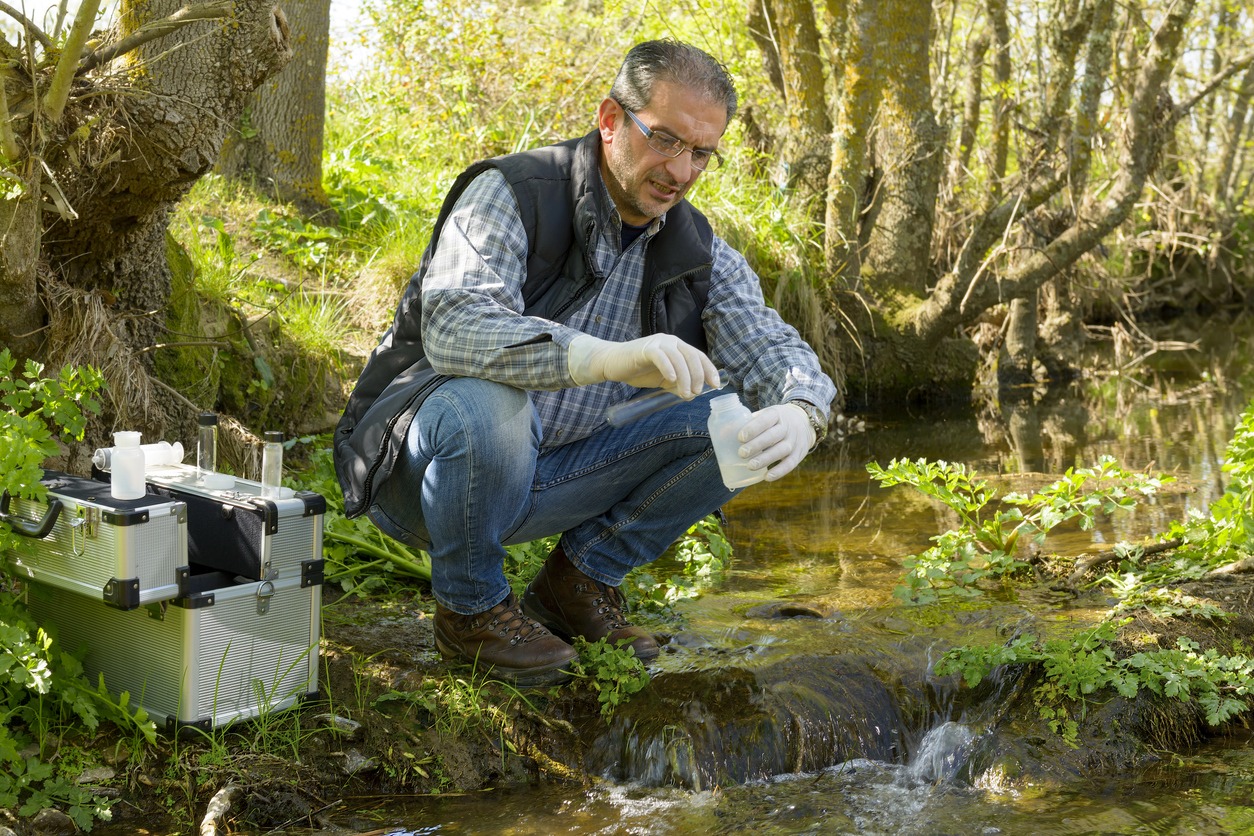
Environmental scientists are the ones making sure bodies of water, such as rivers, lakes and oceans, are healthy. They collect samples from these places to check the existence of pollutants like chemicals, bacteria and heavy metals.
When a factory is suspected of causing pollution, these scientists identify contaminants and assess the damage caused to the ecosystem. They also determine whether drinking water sources are safe for consumption and develop water treatment processes, using satellites and remote sensors to assess lake water quality.
They Use Science and Technology to Analyze The World
The world is the environmental scientist’s primary focus. To better understand it, they use a variety of tools and technologies, from sample bottles to full-scale satellites, inside and outside the lab.
They use different microscopes for different purposes, from stereo microscopes that dissect specimens to polarizing microscopes, where you can check minerals and crystals. Powerful instruments, such as transmission electron microscopes, transmit electron beams as thin as 1 nanometer through specimens to generate sharp images of their internal structure.
These scientists also use microscopes to check for microplastic content in water to determine pollution levels in a specific part of the ocean. This directly affects people, as fish ingest these microplastics, which then end up in meals.
They Monitor Air Quality and Combat Pollution
Environmental scientists also work to improve air quality. They design and maintain programs that monitor the air quality, checking for pollutants such as ozone, particulate matter and sulfur dioxide. If you regularly check air quality alerts on your phone, you have environmental scientists to thank for gathering and analyzing that data.
Check your indoor air quality, too. Indoor air quality is often two to five times worse than outdoor air quality, so make sure to open your windows, take care of plants and fix any leaks, as all of this can help improve indoor air quality.
They Champion Public Health and Safety
Environmental scientists also identify potential factors contributing to the population’s health problems. In the past, they were the ones who concluded chemicals, like lead, radon and pesticides, have adverse effects on humans.
They are also the ones who lobby for change. Environmental scientists are the ones who observe and study the harmful effects of climate change. Many of them serve as advisors to policymakers, helping enact laws grounded in science to address issues. To aid scientists in their work, try switching to sustainable habits, like carrying reusable bags or opting out of using straws.
They Restore and Protect Natural Habitats
Conservation and restoration are a big part of an environmental scientist’s job. They study and create healthier ecosystems so wildlife can thrive. First, they diagnose the site, from contaminated land and wetlands to rainforests. They observe the behavior of animals and plants, as well as of non-living things, like rivers and rocks. Then, they proceed with a restoration project, such as reforestation or soil remediation.
After those steps, they discuss solutions with stakeholders, including government officials, organizations and residents in the area. They hold educational and collaborative workshops for residents to promote sustainable and ethical practices. All these actions are important for ensuring the ecosystem’s long-term success.
Your Role in a Healthier Planet
The work environmental scientists do is vital to ensuring the planet is a safe place to live. Their goal is to make the future more sustainable by analyzing the world and suggesting practices government bodies, organizations and people can do to alleviate issues. By staying informed and adopting small, sustainable practices, you’re helping environmental scientists do their jobs to make the world a better place.
Source link
Mia Barnes biofriendlyplanet.com